How iPhone cameras evolved in low light: A comparison
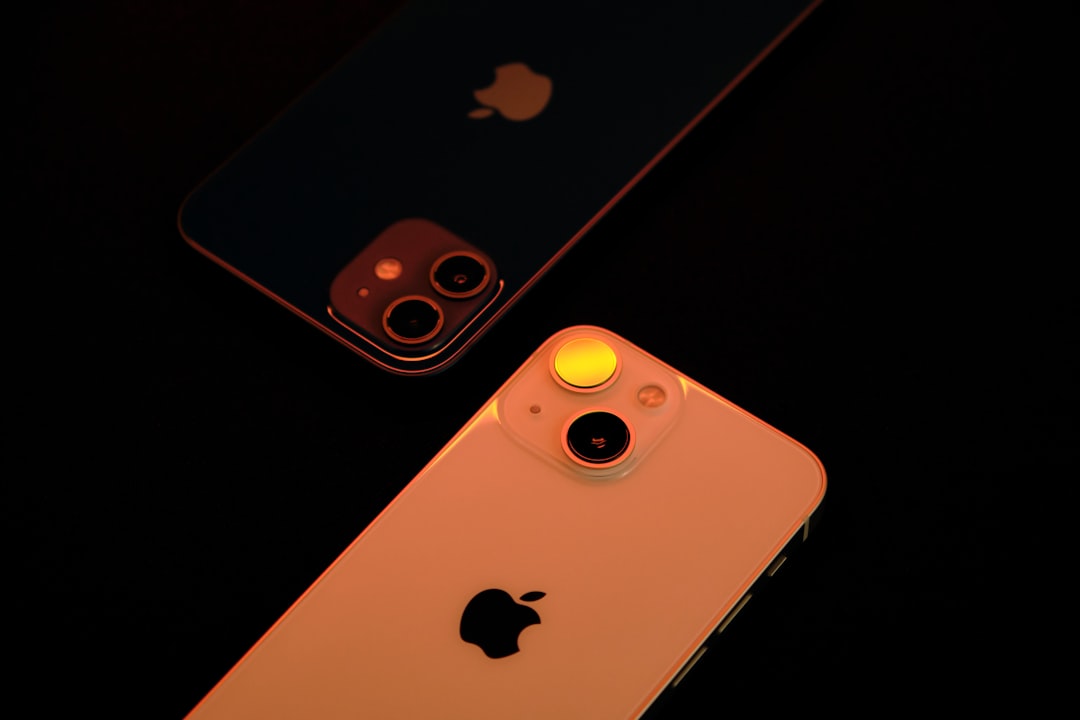
From the original iPhone to the latest, low-light photography is the real test of Apple's progress in camera technology. Here’s what we learned.
The iPhone has come a long way since its launch in 2007. While its first model revolutionized mobile technology, one area that has seen relentless improvement is the camera. A new experiment attempts to answer a pressing question: how have iPhone cameras evolved in low-light conditions? It’s an insightful test that contrasts the promise of computational photography today with the hard limits of hardware from years past.
Why Low Light Matters
Smartphones may take great photos in ideal lighting, but low-light conditions are the true challenge for camera technology. Poor lighting puts sensor size, lens quality, and software processing to the test. Apple has promised leaps in low-light capabilities with each iPhone iteration, but how much progress has really been made?
This experiment captured the same low-light image across every iPhone model, beginning with the original device and continuing through to the iPhone 17. It’s an opportunity to dissect Apple’s evolving camera philosophy, comparing improvements in sensor tech, aperture design, and software features like Night mode.
The Early Years: iPhone to iPhone 3GS
The original iPhone's camera was groundbreaking in 2007 simply because it was built in. A basic 2-megapixel sensor with no flash and no video capabilities showcased Apple’s focus on simplicity rather than camera performance. In low-light conditions, though, the results were predictably subpar. Noise levels dominated, and it struggled to distinguish detail from darkness.
The iPhone 3G added little improvement to low-light performance beyond software tweaks. The iPhone 3GS, with a 3-megapixel sensor, introduced autofocus but still lacked dedicated features to handle dim scenarios. While these cameras held their own outdoors during the day, low-light images felt like a snapshot of how far we had yet to go.
The Middle Era: iPhone 4 to iPhone 6S
The introduction of the iPhone 4 marked the arrival of an LED flash, offering a rudimentary solution for low-light capture. While far from perfect, this incremental addition helped brighten subjects in the dark, albeit at the expense of natural rendering.
Progress accelerated with the iPhone 5 and 5S. The latter brought a dual LED True Tone flash to improve color accuracy in artificial lighting. Aperture sizes also began expanding during this period, enabling more light to hit the sensor. Nonetheless, these models still couldn’t compare to standalone point-and-shoot cameras of the time, particularly in low light.
The iPhone 6S introduced stabilization technology to reduce blur, but dim environments remained a major obstacle. At this stage, Apple’s emphasis appeared to be on video and daytime photography, where their software-driven image processing outshined that of Android competitors.
Modern Era: iPhone 7 to iPhone X
Starting with the iPhone 7, Apple made significant strides. Wider apertures (f/1.8), a larger sensor, and optical image stabilization (OIS) combined to make this phone a low-light improvement over predecessors. For the first time, Apple began closing the gap with dedicated cameras.
The real turning point, however, came with the iPhone X line. Equipped with dual cameras—the main sensor and a telephoto lens—the iPhone X leveraged software to reconstruct details that earlier generations simply couldn’t capture. Low-light performance was further boosted by computational photography techniques, which used algorithms to simulate longer exposure times without introducing jitter.
Into Computational Photography: iPhone 11 to iPhone 17
The iPhone 11 introduced the game-changing Night mode, a software-driven feature that stitched multiple exposures together to simulate a bright, well-lit image. For the first time, users could capture sharp, detailed low-light photos without needing an external flash or DSLR camera.
As Apple continued refining Night mode in subsequent models, from the iPhone 12 to 17, they added advanced low-light portrait capabilities, LiDAR for depth sensing in dark scenes, and machine learning (ML) enhancements. The latest iPhone 17 series represents the peak of this evolution, allowing for fast low-light shooting with minimal noise and extremely accurate color reproduction. Improvements in the physical sensor size and lens technology back up these software-driven advances, delivering unparalleled detail even in conditions that earlier iPhones would have rendered indistinguishable.
The Verdict: Revolutionary Change
When comparing photos from the earliest iPhones to the latest, the advancements are undeniable. The original iPhone reduced low-light images to blobs of noisy data, while modern models transform the same conditions into something almost magical. Night mode, in particular, has redefined expectations entirely.
This journey also underscores a larger trend in smartphone cameras: the dominance of software. Hardware improvements such as larger sensors and wider apertures provide the foundation, but it’s computational photography that elevates low-light captures to an art form today.
Still Room for Growth
While today’s iPhones shine in low-light environments, they aren’t perfect. Extreme low-light scenarios with moving subjects can still produce some blur or noise. Competing devices from Samsung and Google have proven capable of delivering similar, if not better, Night mode results in certain contexts. For Apple, continued investment in machine learning and real-time image processing will be necessary to stay ahead.
For users still holding onto older models, the leap to a modern iPhone becomes hard to ignore when low-light photography is a significant use case. And though Apple leads hardware design in many respects, it’s a reminder that future breakthroughs are likely to come from software algorithms rather than physical camera components.
Staff Writer
Sarah reports on laptops, wearables, and the intersection of hardware and software.
Comments
Loading comments…


