Nothing Phone 4A and 4A Pro: A Balanced Approach to Mid-Range Smartphones
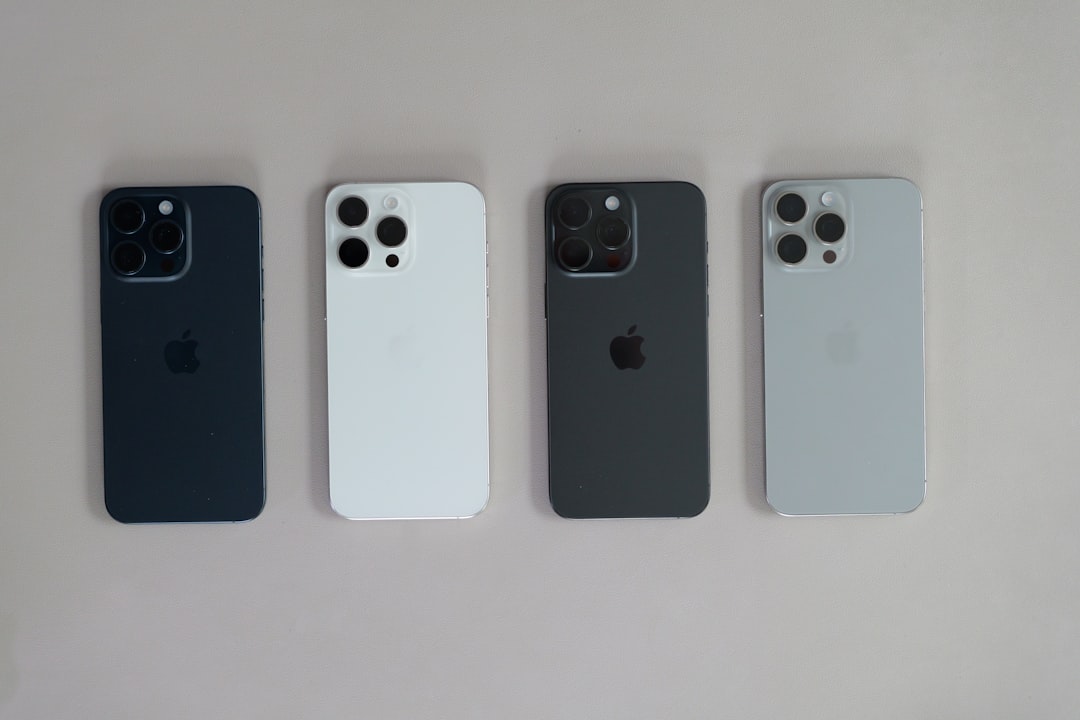
The Nothing Phone 4A and 4A Pro offer competitive features at budget-friendly prices, starting at €349 and $499, respectively.
The Nothing Phone 4A and 4A Pro mark the latest addition to Nothing’s lineup of budget-friendly smartphones. Priced at €349 and $499 respectively, these devices target mid-range consumers with thoughtful design choices and solid feature sets, filling the void left by underwhelming competitors like the Pixel 10a and the iPhone 17e. Here's an in-depth look at what these phones offer.
Pricing and Availability
The Nothing Phone 4A is priced competitively at €349, catering primarily to the European and select international markets. Meanwhile, the 4A Pro starts at $499, focusing particularly on the U.S. market. Interestingly, there is no "Nothing Phone 4"—a strategic decision by the company.
Key Specifications
Here’s a quick look at the key differences between the Nothing Phone 4A and 4A Pro:
| Feature | Nothing Phone 4A | Nothing Phone 4A Pro |
|---|---|---|
| Processor | Snapdragon 7S Gen 4 | Snapdragon 7 Gen 4 |
| Display | 120 Hz OLED | 144 Hz LTPS OLED (software-limited to 120 Hz) |
| Build Materials | Plastic, semi-transparent back | Unibody aluminum |
| Rear Cameras | 50 MP main, 8 MP ultrawide, 3.5x telephoto | 50 MP main, 8 MP ultrawide, 3.5x telephoto |
| Battery | 5,000+ mAh | 5,000+ mAh |
| Operating System | Nothing OS 4.1, Android 16 | Nothing OS 4.1, Android 16 |
| IP Rating | IP64 | IP65 |
| Starting Price | €349 | $499 |
Nothing Phone 4A: Affordable and Stylish
Design and Build
The Nothing Phone 4A stands out with its semi-transparent back, which retains the unique "Nothing aesthetic." The blue color variant features matte sides and dotted text overlays, lending it a modern, edgy look. While the build mainly consists of plastic, the device feels sturdy and well-crafted for its price range.
Display
The 6.5-inch OLED panel supports a 120 Hz refresh rate, delivering smooth animations and scrolling. Though it doesn’t reach flagship-level brightness, its display remains vibrant and responsive under most conditions.
Performance
Powered by the Snapdragon 7S Gen 4 chipset, the Phone 4A handles day-to-day tasks efficiently. Nothing OS 4.1 on top of Android 16 ensures a smooth software experience, with fast UFS 3.1 storage improving app loading speeds.
New Software Features
- Home Screen Customization: Users can now tweak folder appearances and add custom widgets via the Playground, a community-driven store for unique home screen enhancements.
- Glyph Interface: A subtle row of LEDs on the back delivers notifications, volume bars, and timers through visually interesting light effects.
Downsides
The camera setup is serviceable but not standout, with the 8 MP ultrawide sensor limited to 1080p video recording. It lacks wireless charging, which might disappoint some users.
Nothing Phone 4A Pro: A Step Forward
Premium Design and Build
The Nothing Phone 4A Pro elevates the experience with its unibody aluminum construction, offering a more premium feel. While its fingerprint-prone finish can be frustrating, this upgrade positions the Pro version as a mid-range device with flagship aspirations.
Improved Display and Cameras
Although the display’s 144 Hz refresh rate appears impressive on paper, real-world use caps it at 120 Hz. The slightly thinner bezels and higher brightness number give the Phone 4A Pro a visual edge, but the impact isn’t significant.
On the camera front, it mirrors the 4A’s triple-camera array but adds features like 140x digital zoom, which seems more like a marketing gimmick than a practical benefit.
Enhanced Glyph Interface
The Phone 4A Pro includes a more advanced glyph matrix, functioning as a customizable pixel-style notification display. Users can assign custom icons (or even images) to specific alerts, adding a layer of personalization not commonly found in other phones.
Limitations
The "Pro" moniker doesn’t fully translate into tangible upgrades. Wireless charging is still absent, and the proclaimed 144 Hz refresh rate is rarely achievable. While the aluminum body is a nice touch, the overall experience isn’t drastically different from the standard 4A.
Why No Flagship This Year?
Unlike larger players like Apple and Samsung, Nothing has explicitly decided not to pursue a high-end flagship phone in 2026. In a video shared by CEO Carl Pei, the company emphasized focusing on meaningful, affordable products rather than churning out new flagships annually. This strategy addresses both rising component costs and the preferences of their core audience, who value Nothing’s design-centric approach over cutting-edge performance specs.
Should You Buy It?
Who It’s For:
- Budget-conscious consumers who want a stylish, functional device
- Fans of customizable software experiences
- Users who prefer mid-range phones over flagship models
Who Might Pass:
- Gamers or heavy multitaskers seeking high-end performance
- Those who rely on wireless charging or advanced water resistance
- Photography enthusiasts aiming for flagship-level cameras
Practical Takeaways
- The Nothing Phone 4A offers excellent value, balancing performance and aesthetics at €349.
- The 4A Pro adds premium materials and features but doesn’t fully justify its $150 price hike for most users.
- Both models shine in software customization and the unique glyph interface, setting them apart in the mid-range market.
While neither phone is a revolutionary leap forward, their thoughtful design, user-friendly software, and affordable pricing make them compelling options for 2026.
Staff Writer
Sarah reports on laptops, wearables, and the intersection of hardware and software.
Comments
Loading comments…


