Oppo Find N6: Have We Reached Peak Foldable?
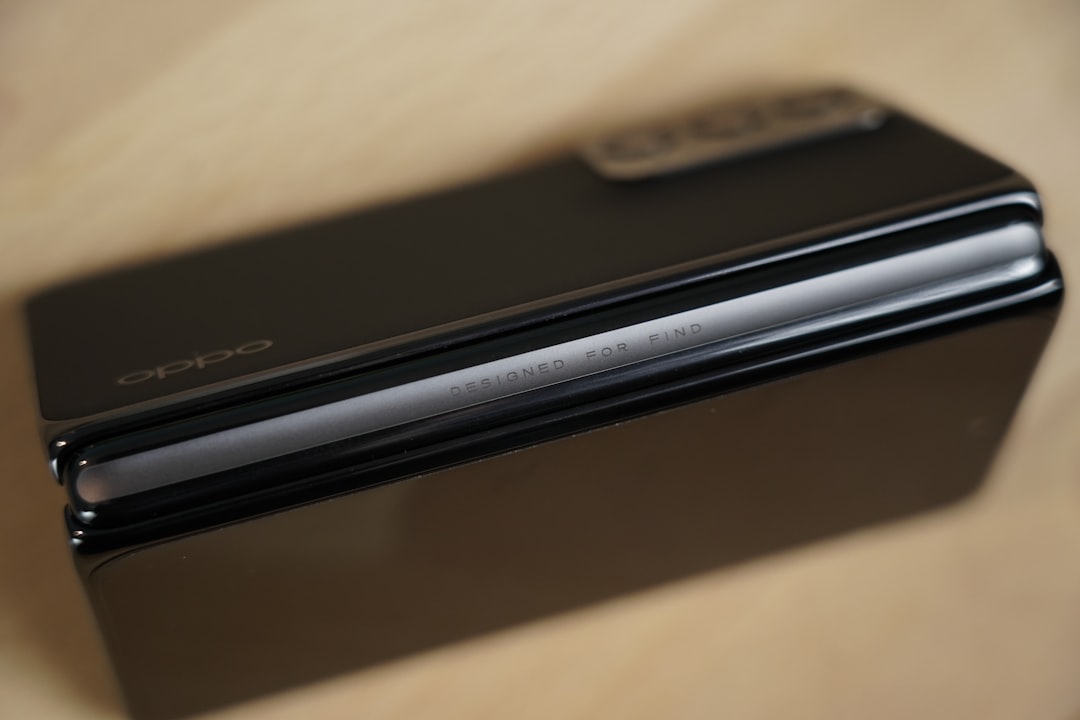
The Oppo Find N6 tackles every foldable's compromise, setting a new standard for foldable smartphones with flagship-tier performance and design.
When foldable smartphones first hit the market, they felt like devices from the future. However, their early iterations came with significant compromises—thick designs, compromised cameras, small batteries, and the ever-visible crease cutting through the middle of their displays. Seven years after the first Galaxy Fold debuted, foldable phones have matured dramatically, and the Oppo Find N6 represents a watershed moment in this evolution. Dubbed by some as the "peak foldable," this latest device marks the point where foldables may have finally overcome their most glaring shortcomings.
From Early Adopters to Mainstream-Ready
Foldables initially catered to early adopters, enthusiasts willing to accept trade-offs for the novelty of a folding screen. Devices like the original Galaxy Fold had exciting form factors but subpar usability due to compromises like thick bezels, durability concerns, and lackluster internal components. Since then, foldables from Samsung, Oppo, and others have steadily chipped away at these issues. The Oppo Find N6 seems to be the culmination of this engineering effort, presenting itself as a no-compromises foldable that feels indistinguishable from a standard slab smartphone—until you open it.
One of the Oppo Find N6’s standout achievements is its slim design and lightweight build. At just under 9 mm thick and weighing 230 grams, it’s essentially the same size and weight as the iPhone 17 Pro Max. These dimensions make it one of the first foldables that feels entirely comfortable as a regular smartphone, eliminating the awkwardness that plagued earlier models.
Flagship Hardware, Inside and Out
The front cover of the Oppo Find N6 features a 6.6-inch display that looks and functions like a standard smartphone screen. Gone are the conspicuous bezels and quirky aspect ratios of previous foldables. This outer screen has flagship specs, including a whopping 3,600 nits of peak brightness, 1-120Hz LTPO adaptation, and high-frequency PWM dimming for reduced eye strain. Users can text, watch videos, or snap photos without feeling the need to flip open the phone.
When unfolded, the inner display reveals an 8.1-inch square canvas that pushes foldable display technology further than ever before. It maintains the same high-end panel characteristics as the cover screen, offering seamless multitasking and an immersive viewing experience. But the real innovation lies in its "No-Feel Crease." While past foldables relied on teardrop-shaped hinges to minimize the crease, Oppo has taken the concept to extraordinary levels with laser-scanned titanium hinges and 3D-printed liquid polymer inserts that reduce surface irregularities to an incredible 0.05 millimeters. The result? A crease that's nearly imperceptible, even under close inspection, and one that retains this smoothness through 600,000 folds.
Powerful Performance Without Sacrifice
Historically, foldables came with compromised performance due to space constraints within their split designs. This is no longer an issue with the Oppo Find N6, which is powered by a binned Snapdragon 8 Elite Gen 5 processor—offering flagship-grade performance—and a dedicated S1 chip that enhances network and connectivity features. The phone ensures top-tier usability without overheating or performance throttling.
Despite the split construction, Oppo managed to integrate a massive 6,000mAh silicon-carbon battery into the phone. This provides better longevity than many traditional slab phones, complemented by 80W wired charging and 50W wireless charging. With these specs, the Find N6 eliminates the battery-related anxiety that used to be a major drawback for foldables.
Cameras That Compete with the Best
Another traditional pain point for foldable phones was camera quality, as bulkier camera modules were hard to reconcile with thin foldable form factors. Oppo has addressed this by using advanced sensors that balance performance and size. The Find N6’s rear camera array includes a flagship ISOCELL HP5 200-megapixel main sensor, a 50-megapixel ultrawide, and a 50-megapixel telephoto lens with 3x optical zoom. While the sensors are slightly limited in Z-axis thickness, they yield high-quality images comparable to flagship slab phones.
Added Versatility: Stylus Support
Oppo didn’t stop at refining the foldable fundamentals—it also included pen support for added functionality. A snap-on half case doubles as storage and wireless charger for the stylus, which works with both the cover screen and the inner display. Supporting over 4,000 levels of pressure sensitivity, it’s ideal for creative professionals or anyone who values handwriting recognition. Combined with Bluetooth functionality, the pen can double as a remote for features like camera shutter control.
The Apple Factor: What’s Next?
As Oppo achieves "peak foldable," eyes naturally turn to Apple, which is expected to launch its own foldable device soon. Historically, Apple has waited for technologies to mature before entering the market with a polished "Apple-ified" version—be it with the iPhone, HomePod, or Vision Pro. Rumors suggest that the iPhone Fold could diverge from the current crop of foldables by employing a different aspect ratio, mimicking older clamshell-style phones with a smaller outer display and a widescreen iPad mini-like interior.
It remains to be seen whether Apple will adopt the no-feel crease, high-capacity silicon-carbon batteries, or advanced folding hinges seen in the Oppo Find N6. However, Apple’s entry would almost certainly reshape the public perception of foldable devices, bringing them fully into the mainstream.
Conclusion: The New Standard
The Oppo Find N6 stands as a monument to the rapid evolution of foldable technology. Every major hurdle—durability, display quality, performance, cameras, and battery life—has been addressed, creating a phone that feels complete and uncompromised. For tech enthusiasts, this could be the first foldable truly worthy of the title "flagship."
As Apple and other competitors eye their next moves, the question isn’t whether foldables have a future—it’s how much better they can still get.
Staff Writer
Sarah reports on laptops, wearables, and the intersection of hardware and software.
Comments
Loading comments…


