Paradox Wheelchair Factory Pioneers Affordable, Custom Mobility Solutions
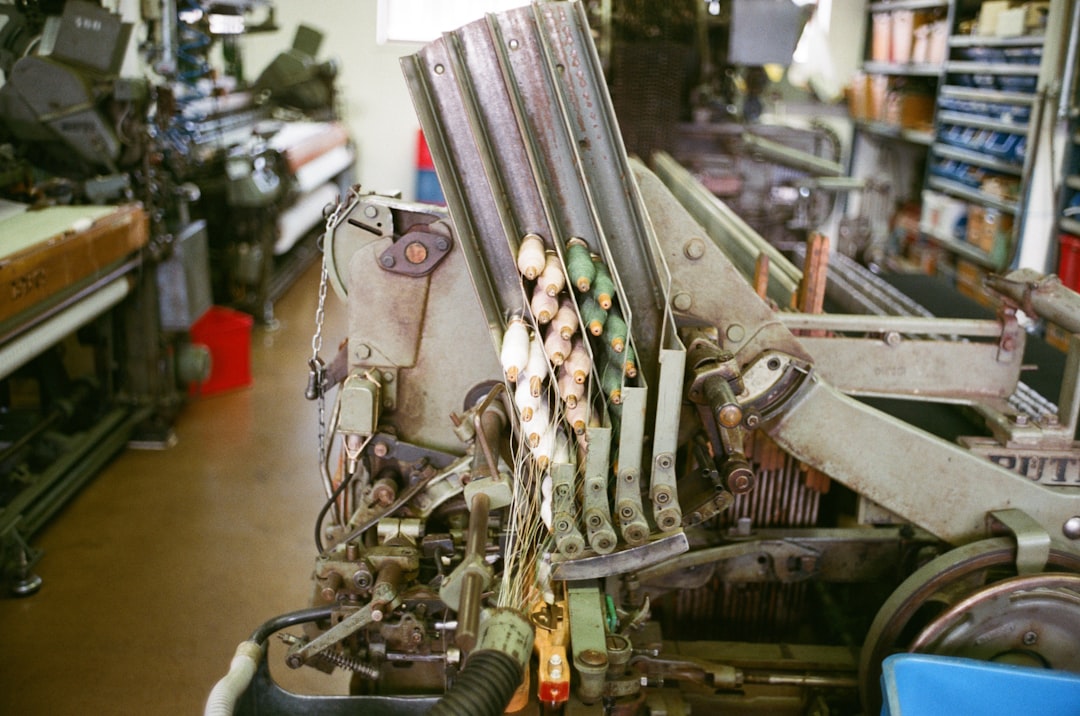
The Paradox wheelchair factory is transforming the mobility landscape with affordable, ultra-customizable manual wheelchairs, built in weeks, not months.
In a world where wheelchair users often face exorbitant prices and long wait times for essential mobility devices, one company is making waves with its affordable, customizable, and fast-to-produce manual wheelchairs. Based in Utah, the Paradox factory is transforming how mobility aids are designed and delivered, offering a fresh alternative to the traditional insurance-based system.
Breaking Down Barriers: Faster, Cheaper, Better
The Paradox factory, which has been operating under the radar for the past year, specializes in ultra-customizable manual wheelchairs. Unlike conventional options that can cost up to $12,000 and take months—or even a year—to arrive, Paradox wheelchairs are produced significantly faster and at a fraction of the cost. Basic models start at just $999, with a range of upgrades available for users seeking more advanced or tailored solutions.
For example, Camry, who has been a wheelchair user for 20 years following a horse accident, recently purchased a Paradox chair for $1,900. In stark contrast, her previous insurance-covered wheelchair cost $8,000 and took a year to be delivered. Another customer, Bailey, reported that her Paradox chair arrived in just six weeks and cost $2,100 compared to the $10,000 she spent on her prior chair. These examples highlight Paradox’s ability to deliver high-quality, affordable solutions faster than the competition.
Extreme Customization: A Chair as Unique as You
Paradox wheelchairs are not one-size-fits-all. With over 16 quintillion unique customization options, the factory ensures each chair is tailored to suit its user’s specific needs and preferences.
Customization begins with aesthetics. Customers can choose from more than 6,000 color combinations for their chairs, thanks to the factory's in-house powder-coating capabilities. This not only allows for a broad range of vibrant designs but also keeps production times streamlined.
The customization extends into every functional detail. Measurements such as seat width, seat depth, front and rear seat height, and backrest angle are meticulously tailored to each individual's body dimensions. For instance, the seatpan is built to provide full support from the lower back to just short of the inside crease of the knee—determined using precise measurements and expert recommendations. Additional options, like Y-taper or V-taper frame designs, further allow users to fine-tune their chair’s fit and functionality.
Other adjustable features include:
- Casters: Options for standard or suspension-enhanced frog-leg models.
- Seat Configuration: Choices between soft seat slings or hard seats made of carbon fiber or aluminum.
- Wheel Camber: Adjustments for stability, often set at 2 degrees but customizable.
- Center of Gravity: Fine control for easier wheelies and overall balance.
- Backrest and Footrest Angles: Personal preferences accommodated, along with real-time visual adjustments in the online configurator.
High-Tech Manufacturing
Their ability to achieve such an extensive level of customization is made possible through cutting-edge manufacturing equipment, all housed in the Utah facility. Using a state-of-the-art laser cutter, raw aluminum tubing is transformed into wheelchair frames within minutes. A CNC bender adds precision curves to the tubes, capable of producing 250 wheelchair frames per day.
Despite these advancements, TIG welding remains a task for skilled human hands, ensuring the high-quality assembly of each unique frame. The factory has plans to incorporate robotic fixtures in the future to further optimize lead times.
Assembly is completed in-house, where components such as seatpans, axles, and wheels are added. The entire process, from raw material to finished product, is designed to take only a few weeks.
Affordability: Disrupting an Industry
A significant part of Paradox’s value proposition lies in its affordability. Traditional custom wheelchairs often come with insurance caveats, leading to inflated costs and lengthy approval processes. Paradox circumvents this by selling directly to customers and managing its own supply chain. This approach has allowed the company to save the wheelchair community approximately $2 million since opening, it claims.
While insurance-covered models often exceed $8,000, many customers report spending between $1,600 and $2,300 for their Paradox chairs. The company emphasizes that their low prices do not compromise on quality, with frames weighing a lightweight 18 pounds (26 pounds with wheels).
Real-Time Customization Configurator
One of the standout aspects of Paradox’s operations is its online wheelchair configurator. The tool allows customers to see their custom designs in real-time, complete with accurate dimensions and visual renderings. This ensures that users get precisely what they want and acts as a "sanity check" before the chair goes into production, eliminating potential errors.
The configurator isn’t just a practical tool; it’s part of what makes the Paradox experience unique. No other wheelchair manufacturer offers this level of interactive customization, which speaks to the company’s commitment to innovation.
Not Without Challenges
While the factory tour video showcased many of the company’s strengths, it’s worth noting some of the limitations and challenges facing Paradox’s model. For example, final adjustments to the wheelchair might still be necessary after delivery, requiring users to work with a seating specialist. Additionally, some users may find the sheer number of customization options overwhelming. The company recommends consulting an Assistive Technology Professional (ATP) or specialist to ensure the right measurements and features are chosen.
A New Chapter in Mobility
The Paradox wheelchair represents a significant step forward for users seeking affordable, customized, and rapidly delivered solutions. By merging advanced manufacturing, direct sales, and user-first design, the Utah-based factory is shaking up an industry long dominated by expensive, insurance-dependent models.
As Paradox continues to refine its process and build awareness, its commitment to affordability, speed, and personalization could pave the way for other manufacturers to follow suit. For wheelchair users, this means not only more accessible pricing but also the hope of a chair that fits as seamlessly as a well-tailored suit—ready to empower them in everyday life.
Staff Writer
Sarah reports on laptops, wearables, and the intersection of hardware and software.
Comments
Loading comments…


