Samsung Galaxy cameras: a snapshot of evolution from S1 to S26
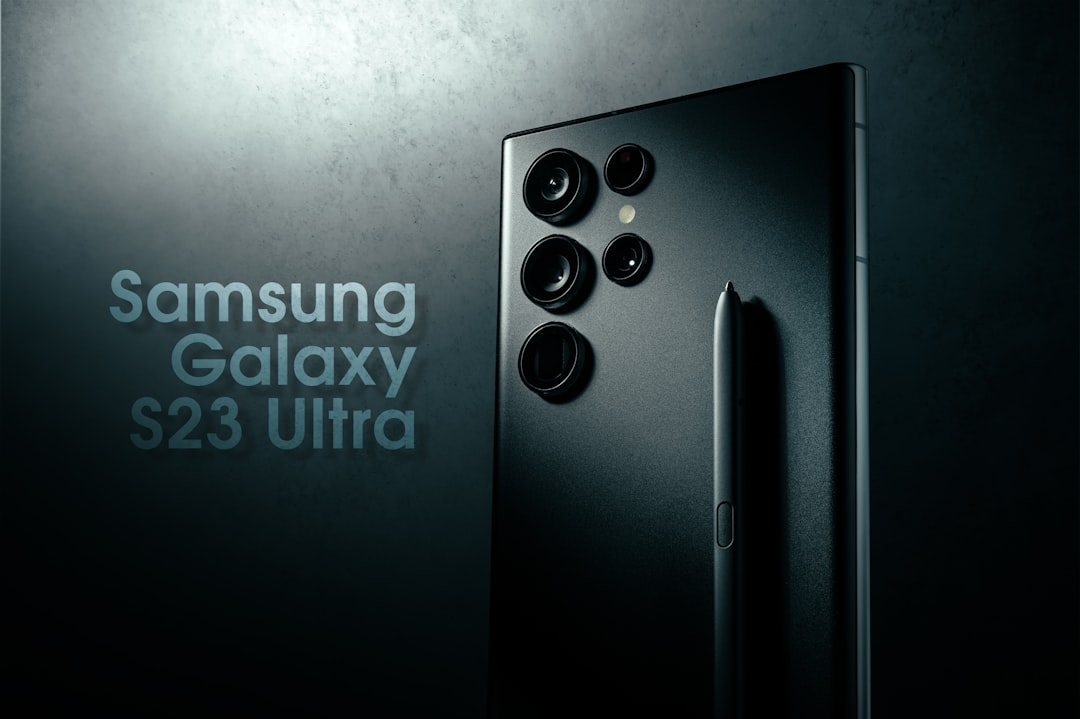
Exploring the progression of Samsung Galaxy cameras, from the early S1 to the latest S26 flagship device.
In the ever-advancing world of smartphone technology, few features are as closely scrutinized as the camera. With each new Galaxy release, Samsung has worked to refine its camera systems, offering improvements in hardware, software, and overall photographic capabilities. A photographic comparison spanning every Galaxy S model from the latest Galaxy S26 to the original Galaxy S1 reveals the sweeping changes in mobile photography over more than a decade.
The humble beginnings: Galaxy S1 to S5
Samsung launched its Galaxy S series in 2010, introducing the original Galaxy S1. At the time, the device featured a single rear camera offering 5 megapixels, which, by modern standards, feels limited—but it was a significant step forward for its time. Compared to digital cameras of the same era, the Galaxy S1 offered convenience and portability, merging communication and photography into one device.
From the Galaxy S2 to the S5, Samsung steadily increased its focus on camera technology. The Galaxy S4, a standout in this early era, marked a pivotal moment with its 13-megapixel camera, HDR capabilities, and improved low-light performance. The Galaxy S5 (2014) further pushed the envelope, introducing features like autofocus powered by phase detection, setting a foundation for today’s sophisticated camera features.
The dual-camera revolution: Galaxy S6 to S10
The Galaxy S6 brought a significant leap in design, with Samsung focusing on creating a slimmer handset without sacrificing camera quality. Key advances here included a larger aperture (f/1.9) and optical image stabilization, both of which contributed to better low-light photography. However, it wasn’t until the Galaxy S9 series that Samsung would experiment with dual-aperture technology, allowing the camera to physically switch between f/1.5 and f/2.4 depending on lighting conditions.
The Galaxy S10, released in 2019, introduced Samsung’s first triple-camera setup, offering wide, ultra-wide, and telephoto lenses. This gave users true versatility—a major milestone in mobile photography. By this point, Samsung was not just building cameras that worked but creating systems capable of artistic results that appealed to enthusiasts and content creators.
Pushing the limits: Galaxy S20 to S25
By 2020, Samsung was delivering the kind of camera power that rivaled dedicated digital cameras. The Galaxy S20 Ultra showcased Samsung’s flagship ambition with a 108-megapixel sensor and up to 100x Space Zoom. While the massive zoom capability was criticized for being more of a gimmick than a practical tool, it cemented Samsung’s role as a leader in mobile imaging.
The Galaxy S21 through S25 series refined this approach, focusing less on headline-grabbing numbers and more on overall image quality. Computational photography, powered by AI, started to steal the show. Features like advanced night mode, multi-frame processing, and object recognition became common, making it easier for users to capture professional-grade photos across a range of scenarios.
The cutting edge: Galaxy S26
And now, the Galaxy S26. Details on its camera system are the ultimate focus of enthusiasts. While not covered in exhaustive detail in the source, it’s safe to assume that Samsung has continued to fine-tune both hardware and software. If previous trends hold, expect the S26 to offer even better AI-driven processing, enhanced zoom, and possibly faster sensors.
What it all means
The evolution from the Galaxy S1 to the S26 is a microcosm of the entire smartphone industry’s progress. Starting from a single 5-megapixel sensor, Samsung now produces devices capable of rivaling professional cameras in certain settings. The journey highlights not only Samsung’s growth but also the technology trends shaping mobile photography—like computational photography, AI, and high-resolution sensors.
Lingering questions
While Samsung’s advancements are undeniable, the Galaxy series still faces competition. Rival brands like Apple and Xiaomi continue to push the envelope, offering innovative approaches to photography. Additionally, there’s often a gap between what these devices can theoretically do and how well the average user can take advantage of such features. With each new flagship, the question remains: Are we nearing the ceiling of smartphone camera potential, or is there more innovation to come?
The Galaxy S26 is the latest chapter in this long-running story, but it’s clear that Samsung’s evolution in the camera space is far from over.
Staff Writer
Alex covers consumer electronics, smartphones, and emerging hardware. Previously wrote for PCMag and Wired.
Comments
Loading comments…


