The art and technology of crafting a sterling silver miniature
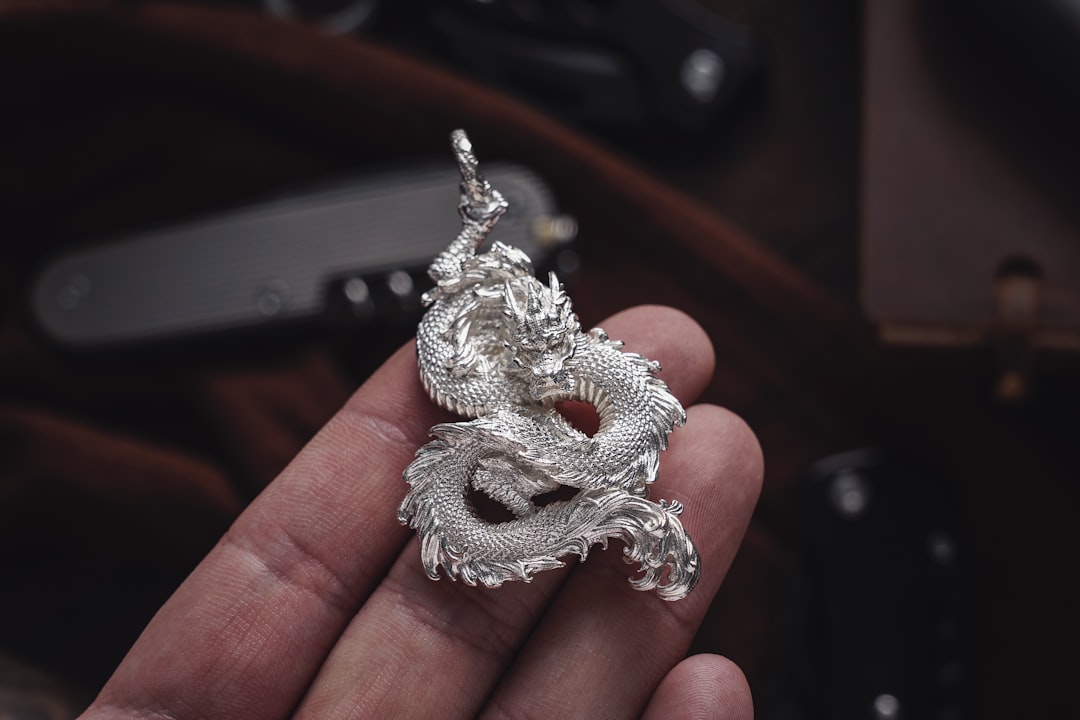
A deep dive into the intricate process of lost wax casting, turning 3D-printed wax designs into solid silver replicas.
Creating intricate objects out of precious metals has always been a fascinating craft, and modern advancements in technology—specifically 3D printing—are pushing these boundaries further. A recent example is the creation of a sterling silver miniature model, which beautifully combines precision engineering with traditional lost wax casting techniques. Here’s a look at the process that turns a digital design into a polished masterpiece.
From Idea to Execution: The 3D Printing Phase
The journey begins with 3D printing. In this case, a wax 3D printer is used to build the initial sculpture, which will eventually guide the final silver casting. This specialized printer works with two different types of wax: a white wax with a low melting point and a red structural wax with a higher melting point. The white wax acts as a temporary support structure, holding the more detailed red sections in place during the printing process.
Once the 3D object is complete, the white wax is dissolved in warm isopropyl alcohol, leaving the durable red structure intact. This red wax retains all the fine details of the design—down to delicate features like tiny antlers—and becomes the direct mold for the sterling silver. Attached to the red wax sculpture are “sprues,” channels that will allow molten silver to flow into the mold during the casting process.
The Lost Wax Casting Process
The core of this endeavor lies in the ancient art of lost wax casting, a method that has been refined using modern tools. The detailed wax sculpture is encased in plaster to create what is known as an investment mold. This plaster precisely captures every internal and external detail of the wax.
The mold, once set, is heated to an extreme temperature—around 900°F—causing the red wax to vaporize completely. This stage gives the method its name as the original wax is effectively "lost," leaving a hollow cavity in the shape of the design within the plaster.
With the plaster mold ready, it’s time to prepare the sterling silver. The metal starts as small granules known as silver shot. A tabletop casting machine melts these to a temperature of approximately 1,000°F under a vacuum, reducing oxidation and maintaining the purity of the silver. Once the silver is molten and the mold has reached the appropriate temperature, the machine rotates, and liquid silver flows seamlessly into the void, filling every crevice of the design.
Cooling and Cleaning the Casting
After the silver has been poured into the mold and allowed to solidify, the entire setup is quenched in water. Quenching rapidly cools the metal and simultaneously breaks apart the plaster mold, revealing the cast silver object. What emerges is a near-perfect replica of the original wax model, though it bears signs of oxidation and minor surface imperfections from the high-temperature casting process.
To restore the silvery gleam, the object is cleaned in an ultrasonic bath, gently removing surface residues. The result is a polished piece that closely resembles its final form, but the process doesn’t end there.
Refining the Final Masterpiece
The cast silver model undergoes one more phase of refinement to achieve its pristine finish. First, it is placed in a vibratory tumbler for a full day, where small abrasive particles smooth out the surface. Excess silver—including the sprues used for pouring—is then carefully trimmed away. Finally, the piece is hand-polished to highlight intricate details and achieve a professional shine.
In this project, the miniature silver model of an off-road wheelchair was paired with a custom wooden base. The base, carved out of the same wood used for wheelchair push rims, was meticulously shaped into a mountain and laser-engraved for added personalization. The combination of the polished silver model and its wooden base creates a fitting tribute to a dedicated team at the wheelchair factory, marking their five years of hard work.
The Blend of Tradition and Innovation
What makes this process especially compelling is its innovative use of both ancient techniques and modern technologies. Lost wax casting dates back thousands of years, yet the addition of 3D printing allows for unprecedented levels of precision and complexity. This technology opens up new possibilities for artisans and manufacturers alike, enabling the creation of intricate designs that would be difficult—if not impossible—to achieve by hand.
Moreover, the project demonstrates the versatility of sterling silver, a metal highly valued not just for its beauty but also for its structural integrity. The process’s attention to detail—from designing support wax structures to implementing vacuum-assisted casting—ensures that even the smallest features are faithfully preserved.
Applications and Possibilities
Casting miniature models in sterling silver isn’t just a hobbyist’s endeavor. The same principles can be applied to various industries, including fine jewelry, small-scale manufacturing, and even prototyping. Companies like Silken, which provided support during this project, make it easier for both professionals and enthusiasts to access high-quality equipment and materials for custom creations.
The Art of the Future
As technology advances, the relationship between artisanship and manufacturing continues to evolve. Processes like these not only celebrate human creativity but also highlight the potential of combining modern engineering techniques with age-old craftsmanship. Whether you’re in the business of creating custom designs or simply an admirer of technology, projects like this showcase what’s possible when tradition and innovation meet.
Staff Writer
Sarah reports on laptops, wearables, and the intersection of hardware and software.
Comments
Loading comments…


