Tecno's Atom Concept Phone Pushes Modularity as the Future of Smartphones
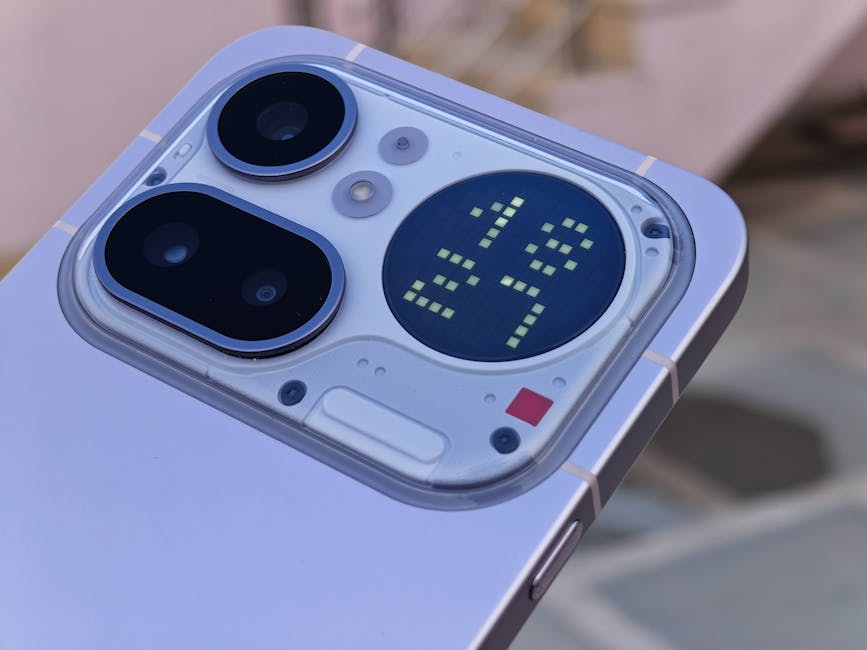
Tecno's Atom concept phone bets on modularity with swappable batteries, cameras, and accessories, offering a glimpse at the future of customizable tech.
Tecno, a name not often associated with cutting-edge smartphone innovation in mainstream markets, has debuted a concept device called the "Atom" that reimagines how we think about smartphones. Shown at the Mobile World Congress, the Atom breaks away from the rigid structure of traditional handsets, introducing a modular approach to hardware. Although still in the concept stage, this device could hint at where smartphones are headed.
The Core Idea: Customization Through Modularity
The Tecno Atom asks a question likely shared by many smartphone users: "How much of a phone do you really need to carry at any given moment?" This Android-powered concept device embraces modularity, allowing users to attach or detach components based on their particular needs. The phone itself is strikingly thin at just 4.9 millimeters, making it one of the lightest and most portable designs we’ve seen.
At its most basic configuration, the Atom is a stripped-down slab with minimal internal hardware. It lacks ports entirely, relying on magnetic charging connections in lieu of USB or other wired options. While this may seem like a limitation compared to today's devices, Tecno offsets it with a customizable ecosystem of modules designed to expand the phone’s capabilities.
Swappable Batteries for All-Day Power
One common concern with super-thin smartphones is battery life—how long can it last on a single charge? Tecno offers a straightforward, modular solution. Users can snap on additional battery packs via magnetic attachments. In demonstration, Tecno showcased stacking multiple battery modules to boost the phone's power, enabling all-day (and possibly all-night) use. This flexibility lets users prioritize portability for short outings or robust battery life for extended trips.
Modular Cameras: A Photographer's Dream
Beyond power, Tecno is tackling another common smartphone frustration: camera limitations. The Atom uses Wi-Fi Direct to connect with modular camera attachments, such as a 23mm lens designed for wide-angle photography. For users looking for something more specialized, a telephoto lens with 3x optical zoom can be snapped on. The telephoto lens even includes features like a focus ring for manual adjustments, adding precision typically found in dedicated cameras.
This modular adaptability addresses a key shortcoming of many modern smartphones, which often lack versatile optical zoom or interchangeable lenses. For photography enthusiasts or anyone chasing perfect shots while traveling, the Atom could provide options unmatched by most existing mainstream devices.
Expanding Beyond Cameras
Camera enthusiasts aren’t the only group the Atom seeks to accommodate. During the reveal, Tecno also showcased other attachments, such as modular speakers for better audio playback. For those needing added convenience, a wallet attachment mimicking the concept of Apple’s MagSafe accessories was also demonstrated. Tecno seems to envision an entire ecosystem of snap-on customizations, transforming the phone into a personalized toolkit.
Why Modularity Matters
Tecno’s Atom reflects a growing trend in the tech industry: the embrace of modular concepts. While modular smartphones aren’t entirely new—Google’s ill-fated Project Ara and Motorola’s Moto Mods come to mind—the Atom feels less constrained by previous limitations. The absence of ports, in particular, sets it apart, as does its lightweight build. This design philosophy also aligns with broader industry trends toward magnetic and wireless solutions, similar to Apple’s refined MagSafe ecosystem.
What modularity offers is purpose-built convenience. Instead of buying an entirely new device to replace a single outdated feature, users can upgrade only the specific module they care about. This creates opportunities for sustainability and longevity in an industry dominated by wasteful, incremental upgrades.
Challenges Ahead: Price and Availability
Tecno has not revealed the price point or availability of the Atom, as the device is still firmly in the concept stage. This raises questions about how far into production this vision can go. While the Atom is undeniably a functioning prototype, Tecno’s representatives have not committed to specifics about when—or even if—it will launch commercially.
Then there’s the question of the target market. While modularity has advantages, mass-market success will depend on pricing, ease of use, and robust support for a wide range of accessories. History serves as a cautionary tale: earlier modular phones struggled to take off, often because they required consumers to invest heavily in ecosystems that failed to gain traction. Convincing users to buy into this modular dream will be a challenge Tecno must address.
The Bigger Picture: The Future of Smartphones
Even if the Atom remains a concept, it contributes to an ongoing conversation about what future phones could look like. While today’s flagship smartphones focus on refining existing designs—slimmer bezels, slightly better cameras, faster processors—the Atom rethinks the very nature of what a smartphone can be. This kind of innovation is refreshing, even if it’s not without hurdles.
Tecno isn’t alone in exploring modularity. Apple’s MagSafe shows that consumers appreciate the convenience of magnetic accessories, even though the functionality is relatively limited compared to Tecno’s vision. Many industry watchers believe more companies will experiment with modular designs in the coming years, especially as components like wireless charging and near-field communication become more reliable and standardized.
What Comes Next?
For now, the Atom remains an intriguing "what if" in smartphone development. While Tecno emphasizes that this is not a showcase product for other manufacturers—meaning the company fully intends to develop and release it under its own brand—key factors like pricing, accessory availability, and market strategy will determine its legacy. Tecno is using this concept to expand its reputation as an innovator, hinting toward a future where modular smartphones could become mainstream.
Whether or not Tecno leads the charge, the Atom offers a glimpse at how smartphones could adapt to better serve individual users’ needs. If modularity does become the standard, consumers could finally step off the treadmill of yearly upgrades, creating a tech ecosystem that prioritizes personalization and sustainability over disposable convenience.
For now, the Atom’s ultra-thin design, swappable components, and bold vision are worth paying attention to. Even if it’s not for sale yet, it’s helping push the boundaries of what the smartphone market considers possible.
Staff Writer
Sarah reports on laptops, wearables, and the intersection of hardware and software.
Comments
Loading comments…


