NASA helps demystify PC cooling with insights on airflow and fan performance
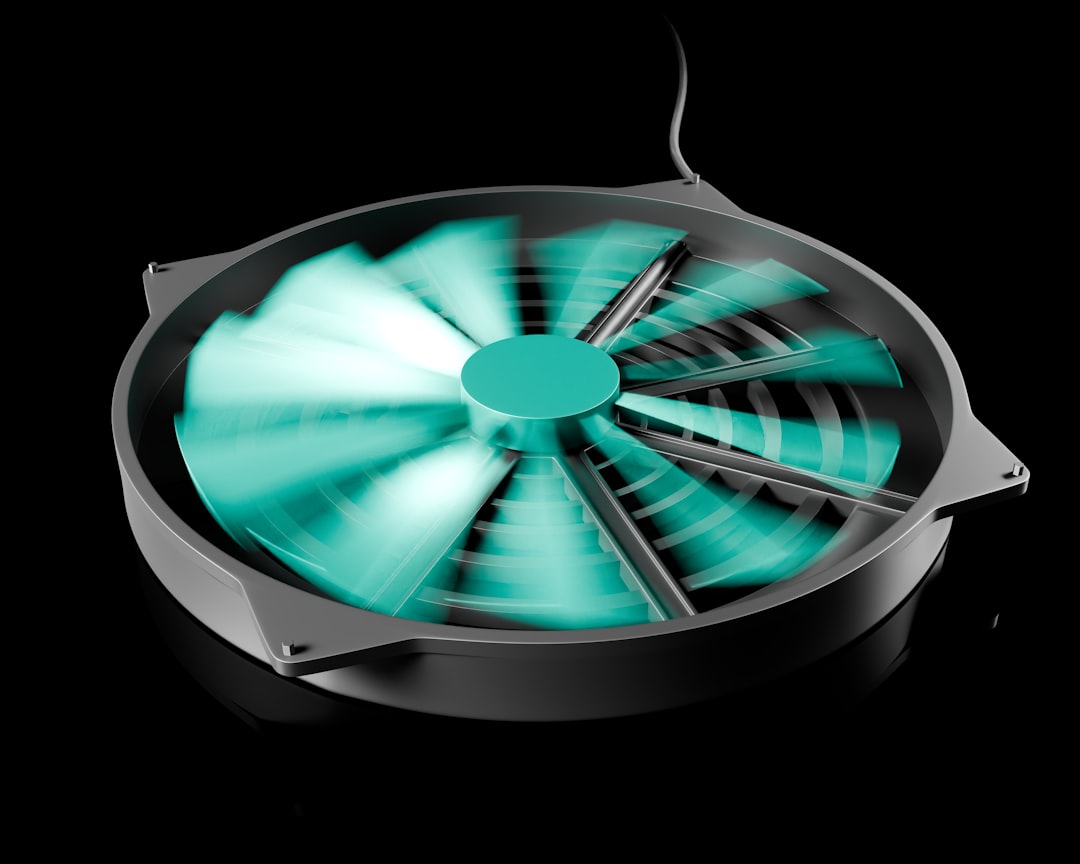
Linus Tech Tips visits NASA to uncover how airflow and distance affect computer fan performance, exploring advanced techniques inspired by fluid dynamics research.
Linus Tech Tips (LTT), a renowned player in the tech content space, recently paid a visit to NASA to tackle an intriguing problem surrounding PC cooling. The focus of their investigation: How much space does a computer fan need to optimize performance without interference? With countless PC builders debating the importance of airflow dynamics, Linus and team sought answers from experts known for their precision—NASA researchers specializing in fluid dynamics.
The challenge: PC cooling with constrained airflow
In any computer setup with active cooling, fans are designed to draw in and expel air, ensuring components remain at safe operating temperatures. However, when fans are positioned too close to obstructive surfaces—like casings or adjacent hardware—questions arise about whether their performance suffers. These questions often lack definitive data, especially in DIY PC building communities.
To address this mystery, the LTT team turned to NASA, where fluid dynamics techniques are routinely applied in advanced aerospace and engineering projects. While the average PC enthusiast doesn’t need to solve problems as complex as spacecraft cooling, the principles remain universal.
NASA’s expertise and the fluid dynamics connection
The visit centered around studying how airflow behaves in constrained environments—a challenge as relevant to high-performance computers as it is to jet engines or spacecraft. At NASA, researchers use detailed simulations and experimental setups to understand the behavior of air particles in any scenario. While the technical aspects extend well beyond consumer tech, the shared application of these methods is noteworthy.
For LTT, leveraging the same expertise provided an opportunity to approach PC cooling with scientific rigor. Rather than relying solely on trial-and-error methods often employed in PC builds, experimenting with fan placement could now rely on principles related to turbulence, flow velocity, and pressure zones.
Key findings and implications for PC enthusiasts
Linus’ exploration revealed just how sensitive computer fans can be to proximity. Too close to surfaces or poorly placed against other hardware, and the intended cooling benefits diminish, sometimes significantly. This highlights the fine line between efficient cooling and setups that, although visually appealing, might limit airflow unintentionally.
While the exact specifics of the data gathered during the NASA collaboration remain with LTT’s team, the overall takeaway is clear: PC builders should pay close attention to the spacing around fans. Creating unobstructed paths for air is not as simple as it seems and can involve unique factors, such as the angle of fan blades or minor adjustments to case layouts.
Real-world applications for PC builders
For everyday users and custom builders, these insights translate into practical advice. If you’re assembling a system or upgrading its cooling components, consider the following:
- Provide clearance: Ensure that fans have adequate distance from barriers like walls or PCB boards.
- Test configurations: Trial multiple setups to see which yields the best balance between reduced noise levels and sufficient cooling under typical workloads.
- Leverage tools where available: Just as NASA uses precise fluid simulations, some enthusiasts rely on software-based airflow modeling tools in professional-grade builds.
What’s next for the PC cooling debate?
The LTT team’s collaboration with NASA ignites a new level of understanding in how scientific processes can improve practical computing. While hobbyists can’t replicate NASA’s fluid dynamic labs, small adjustments from verified research like this mean a higher level of refinement could become mainstream within DIY PC culture.
LTT’s visit poses a larger question for the tech world: How closely should consumer designs, especially in desktops where airflow matters most, hew to professionally proven methods? Enthusiasts may gradually adopt insights from high-level studies like these, raising the bar on everyday builds.
Closing thoughts
NASA’s contributions to PC cooling underscore the hidden complexity in what many view as straightforward fan setups. By investigating airflow scientifically, Linus Tech Tips gave valuable insights to tech-savvy enthusiasts eager to push performance limits. Although the exploration set a new precedent for collaboration between tech content creators and scientific institutions, it also grounded PC discussions in practical learnings.
For further insights, Linus Media Group has detailed supporting content on their platforms, including forums and lab analyses for those interested in delving deeper.
Staff Writer
Alex covers consumer electronics, smartphones, and emerging hardware. Previously wrote for PCMag and Wired.
Comments
Loading comments…


