The M5 MacBook Air: A New Era of Performance and Value
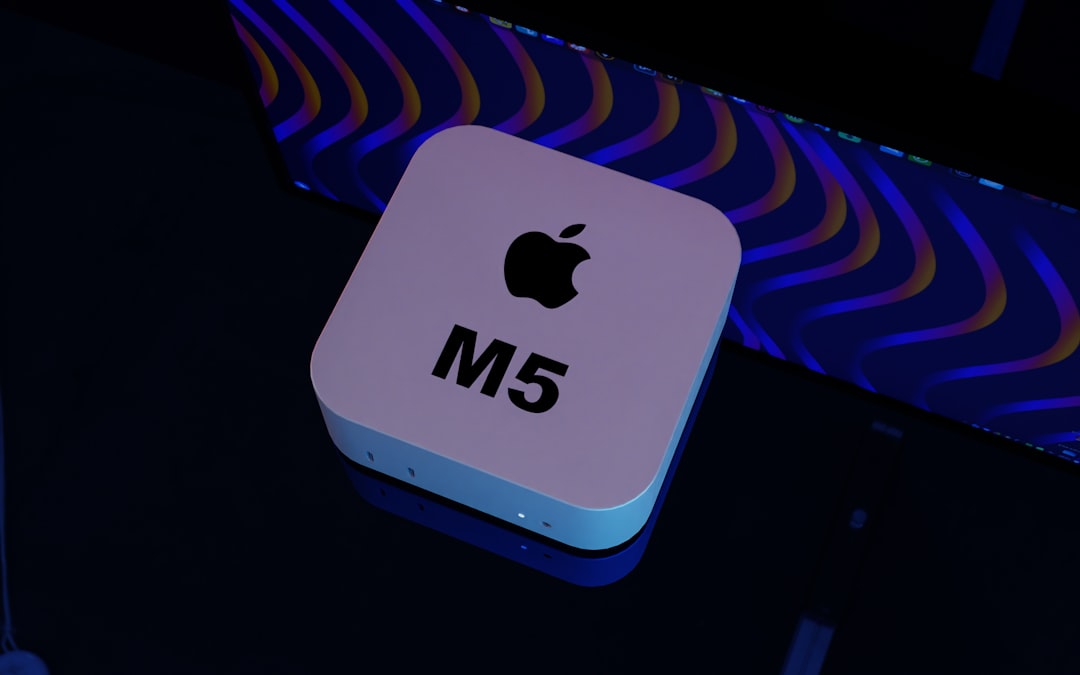
The M5 MacBook Air redefines the Air lineup, offering performance that rivals the M1 Max MacBook Pro in key areas, all at a fraction of the cost.
For over a decade, the MacBook Air has held its position as Apple’s sleek and affordable entry-level laptop. But with the introduction of the M5 MacBook Air, the expectations for this line have significantly shifted. Apple has managed to produce a MacBook Air that does more than just cater to casual users. This model positions itself as a tool for power users, even outperforming some legacy 'Pro' devices in specific use cases. So, who is the M5 MacBook Air really for?
M5 MacBook Air: Lightweight Design, Heavyweight Performance
At first glance, the MacBook Air seems unchanged: slim, fanless, and incredibly lightweight. But don't let the thin design fool you. The inclusion of the new M5 chip—Apple’s latest generation of silicon—has elevated the Air into new territory.
Superior CPU Performance
The M5 chip, even in its base configuration, outpaces much older and once highly celebrated models like the M1 Max MacBook Pro. When comparing benchmark scores:
- Single-core CPU performance: The M5 Air is 70% faster than the 5-year-old M1 Max.
- Multi-core CPU performance: The M5 Air shows a 30% improvement.
Even with its fanless design limiting sustained performance during prolonged tasks, the MacBook Air consistently delivers better responsiveness for everyday use, offering a snappier experience than many older Pro-level machines.
Cinebench Benchmarks and Beyond
When subjected to more demanding tests like Cinebench benchmarks, the M5 Air holds its own surprisingly well. Not only does it start off faster, but it also edges out the M1 Max by roughly 8% in multi-core performance—a significant feat, considering the M1 Max was built for advanced workloads.
Faster Storage, Streamlined Tasks
Addressing past complaints about SSD speeds in base models, the 512 GB SSD configuration in the M5 MacBook Air delivers storage performance equal to even high-capacity (4 TB) configurations of the M1 Max. Tasks like app launching, file transfers, and general responsiveness benefit greatly from this parity.
Adjusting the Focus: Power and Limitations
The M5 MacBook Air shines in many areas, but it’s not without drawbacks compared to Pro models, especially in GPU performance or sustained workloads.
- GPU Performance: The base M5 GPU configuration includes 8 cores, significantly fewer than the 32 cores found in the M1 Max. While this results in lower raw gaming frame rates, the Air does support ray tracing—a feature absent on the M1 Max.
- Media Engines: The Air includes one dedicated media engine for video processing, compared to two in the M1 Max, making the latter superior for tasks like editing and exporting videos.
What’s It Like for Gamers?
The M5 MacBook Air, though not marketed as a gaming laptop, delivers passable gaming performance. Recent benchmarks show:
- Cyberpunk 2077: Played on high settings, the Air managed to sustain 30 frames per second, though ray tracing strained its limits.
- Resident Evil 4 (Remake): Easily hit 60 frames per second during casual gameplay.
While the M5 won't dethrone dedicated gaming machines, these results highlight how far the MacBook Air has come, particularly in versatility.
Advanced AI Tasks and Everyday Use
Thanks to its enhanced neural engine, the M5 excels in AI-powered workloads, offering a performance boost four times faster than the M1 Max in some scenarios. For tasks like real-time object recognition or natural language processing, the MacBook Air now rivals performance typically reserved for premium machines.
MacBook Air vs. Pro: A Redefined Choice
In years past, choosing the MacBook Air meant compromising on power for a lighter, more affordable device. However, the 2024 M5 MacBook Air challenges this narrative. Here’s how it stacks up:
| Feature | M5 MacBook Air | M1 Max MacBook Pro |
|---|---|---|
| Processor Performance | Surpasses M1 Max in CPU tasks | Legacy leader in multi-core sustained workloads |
| GPU Performance | Weaker, supports ray tracing | Stronger raw GPU power |
| Cooling | Fanless for silent operation | Dual-fan system for heavy tasks |
| Storage Speed | Matches modern Pro machines | Comparable at same capacities |
| Media Engines | Single media engine | Dual-engine support for faster video exports |
| Portability | Thinner, lighter | Heavier, bulkier |
| Price | One-third the cost | Premium pricing reflects capabilities |
Who Should Buy the M5 MacBook Air?
Based on its specs and performance, the M5 MacBook Air serves two distinct audiences:
-
Premium Experience Seekers: For those who don’t need high-end GPU performance but value features like a brilliant display, better speakers, and extended battery life, the Air is an affordable yet premium alternative to the entry-level MacBook Neo.
-
Everyday Power Users: Creatives and professionals who require effective performance for tasks like 4K video editing, photo processing, or development will find the M5 MacBook Air substantial enough for most workloads without stepping into Pro-level pricing.
Is the MacBook Air Still ‘Entry-Level’?
Not anymore. The M5 MacBook Air is no longer just the ‘web browsing and emails’ laptop it once was. It has evolved into a versatile machine capable of rivaling Pro-level products in several categories. While users seeking the pinnacle of GPU or sustained performance will still gravitate toward MacBook Pro models, the Air positions itself as a formidable alternative—light, portable, and capable.
If you’ve been holding off on upgrading or thought the MacBook Air couldn’t meet your needs, it might be time to reconsider.
Staff Writer
Alex covers consumer electronics, smartphones, and emerging hardware. Previously wrote for PCMag and Wired.
Comments
Loading comments…


