Anthropic's Major GitHub Takedown: What You Need to Know
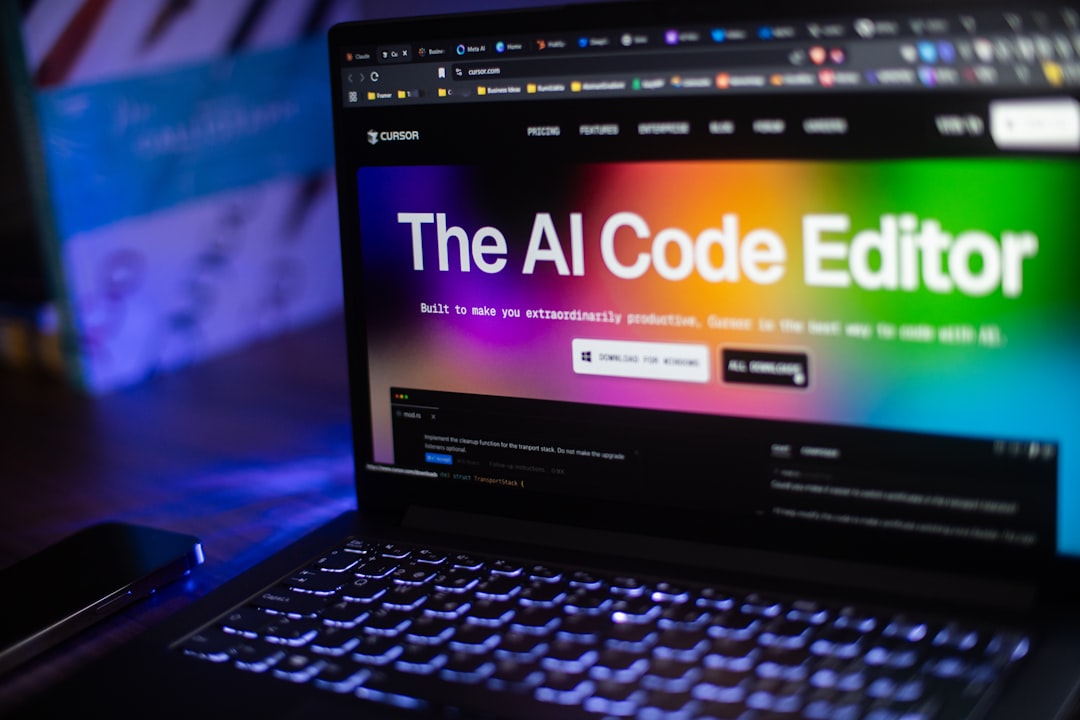
Anthropic's removal of leaked GitHub repositories stirs debates on AI transparency, innovation, and the future of open-source development.
Anthropic, a leading player in the race to develop cutting-edge artificial intelligence, recently orchestrated the takedown of thousands of GitHub repositories. The company cited the removal of leaked source code as the motivation behind this decisive action. While the move serves to protect intellectual property, it has ignited a broader debate about transparency, open innovation, and the future direction of AI research.
Why Did Anthropic Take Down These Repositories?
The repositories in question reportedly contained source code that was either proprietary or derived from Anthropic's systems. By initiating the takedown, the company aims to safeguard its intellectual assets from misuse or appropriation. Leaked source code can compromise not only a company’s competitive edge but also the integrity and safety of the AI models in question.
From a corporate standpoint, the decision aligns with the broader industry trend of tightening control over intellectual property. Open-source culture has historically been a cornerstone of tech development, but the stakes in AI development—especially with ethical and security implications—have led many organizations to reconsider unrestricted code sharing.
A Blow to Developers and Open-Source Advocates
However, this takedown has left thousands of developers, educators, and researchers scrambling. Many used the now-removed repositories as learning resources or as building blocks for their own contributions to AI innovation. By restricting access, Anthropic limits the ability of the tech community to engage in collaborative problem-solving and experimentation.
The open-source ecosystem thrives on transparency, enabling collective oversight and rapid iteration. Removing these resources introduces a barrier to entry, particularly for those without access to proprietary tools or private datasets. It’s a move that risks sidelining independent developers and smaller organizations unable to shoulder the costs of proprietary alternatives.
Transparency vs. Control: The AI Industry Conundrum
Anthropic's action also raises a fundamental question: How do we strike a balance between transparency and control in AI development? On one hand, leaked code could lead to safety risks, as malicious actors may repurpose AI for harmful applications. On the other, AI models trained in opaque environments could introduce systemic biases or errors that remain undetected due to a lack of public scrutiny.
Open-source advocates argue that transparency fosters trust and accountability. By exposing code and methods to a wider audience, companies can engage broader expertise, ensuring that their models adhere to ethical standards. Critics of restrictive measures like Anthropic's warn of a potential “chilling effect” on creativity and collaboration, as developers may hesitate to innovate out of fear of legal or reputational repercussions.
The Broader Impact on AI Development
Anthropic’s move is not occurring in a vacuum. Across the AI industry, there is a discernible trend toward greater control over codebases and datasets. Industry leaders like OpenAI, Google DeepMind, and Anthropic operate at the cutting-edge of AI but have largely shifted away from open dissemination of full technical details. Competitive pressures, combined with safety and regulatory concerns, are driving this shift.
This development marks a departure from the earlier years of AI research, where shared frameworks and datasets were pivotal in driving progress. As companies position for market dominance, proprietary tools and closed systems are becoming norms. While it protects intellectual investments, this shift also lays the groundwork for a fragmented AI landscape dominated by a few major players.
What Does This Mean for the Future of Open-Source AI?
The big question is how the industry will respond to Anthropic's move. If more companies follow suit, developers may find themselves with fewer resources to work with, slowing the pace of independent innovation. Independent developers also highlight how this trend could exacerbate existing inequality between well-resourced organizations and the broader developer community.
Policymakers, academic institutions, and open-source advocates are starting to call for standardized rules that strike a more equitable balance. Without clarity on what companies can or cannot restrict, the development of AI runs the risk of becoming opaque and centralized.
Moving Forward
Anthropic's GitHub takedown underscores a tension that the tech industry as a whole will have to address sooner rather than later. The stakes are not limited to intellectual property—they involve the very ethos of how technology is developed and shared. If AI is to serve humanity as a whole, stakeholders across the spectrum must ensure that both accountability and innovation are equally prioritized.
For now, the best developers and advocates can do is remain vigilant, documenting changes in corporate practices and pressing for transparency where possible. Whether Anthropic’s move turns out to be an isolated incident or a trendsetter remains to be seen, but the conversations sparked by this event could shape the future of collaboration in AI research.
Staff Writer
Maya writes about AI research, natural language processing, and the business of machine learning.
Comments
Loading comments…


