F-47 Fighter Jet vs J-20: AI-Driven Combat Takes Center Stage
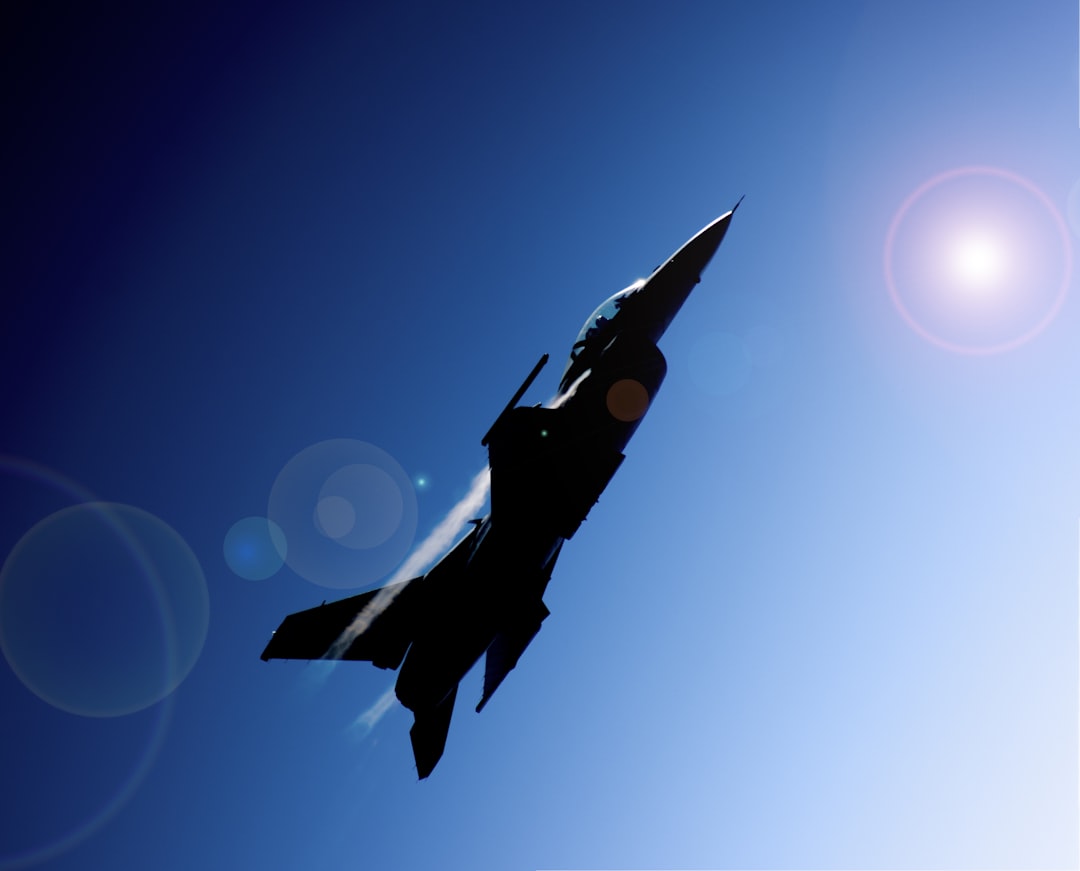
The F-47's AI combat integration could redefine fighter jet warfare, setting it apart from models like the J-20 and Su-57.
Fighter jets have always stood as marvels of engineering, with each new generation pushing the boundaries of speed, stealth, and maneuverability. In a landscape dominated by technological giants like China's J-20 stealth fighter and Russia's Su-57, the recently unveiled F-47 appears poised to leap ahead, thanks in large part to its groundbreaking use of artificial intelligence (AI) in combat operations. Let’s explore how these modern-day warriors compare and what the emergence of the F-47 signifies for the future of aerial combat.
J-20: A Weapon for Support Aircraft Disruption
The J-20, commonly referred to as a fifth-generation stealth fighter, is heralded for its combination of speed, size, and offensive capabilities. Purpose-built to target enemy support aircraft, such as aerial refueling tankers and command-and-control planes, the J-20 plays a pivotal role in China's modern air strategy. Its design prioritizes long-range dominance, likely enabling it to engage from distances where adversaries might struggle to retaliate.
However, while the J-20 stands as a marvel of modern engineering, its design philosophy appears limited to maximizing traditional fighter roles. Most discussions around the J-20 focus on its ability to evade radar detection and outperform in acceleration and range rather than any revolutionary technology integration. In this sense, its place in the conversation might be seen as a refinement of existing fifth-gen fighter concepts rather than a leap forward.
F-47: Defining the AI Combat Era
What sets the F-47 apart isn’t speed or physical aggression but how it interacts with the battlefield through digital integration. Early reports suggest the F-47 represents a generational leap primarily because it leverages artificial intelligence as the core component of its combat operations. Where earlier jets rely heavily on human pilots for decision-making, this new fighter appears to offload critical tasks—including threat prioritization, weapons deployment, and real-time situational awareness—to advanced AI systems.
If these reports prove accurate, the implications are enormous. AI-equipped systems can process data faster than a human ever could, taking in radar data, infrared signatures, and even adversary behavior to dynamically adjust strategies without waiting for pilot input. This makes the F-47 not only faster in reaction times but also potentially free from the biological limits constraining a human pilot—fatigue, stress, and distractions.
Beyond combat efficiency, AI significantly enhances survivability. The ability to predict incoming threats or mitigate evolving battle conditions is critical in dynamic aerial engagements. By using AI to coordinate some or all of its maneuvers, the F-47 could create an entirely new rhythm for air combat interactions, one based on algorithms and data interpretation rather than human reflexes alone.
Su-57: A Balance of Speed and Maneuverability
Turning to the Russian Su-57, its design philosophy revolves around raw performance. Characterized by its agility and speed, the Su-57 excels in theater-level dogfights and has demonstrated solid stealth capabilities—though not without ongoing skepticism. Experts question whether its radar deflection is sophisticated enough to rival more established stealth aircraft like the F-22 or J-20.
Another challenge for the Su-57 is its availability. Russia has reportedly struggled with production numbers, which hinders its larger adoption and implementation in frontline roles. In the context of the F-47, the Su-57 feels like a relic of a prior mindset that emphasizes pilot skill and high-performance engineering as the core of air superiority. Without a significant technological overhaul, it's unclear how this fighter would adapt to the tactics AI-driven systems could introduce.
A Generational Pivot
The key takeaway from comparing the F-47 with the J-20 and Su-57 is clear: while the former two fighters demonstrate incremental advancements within long-established paradigms, the F-47 signals a shift to something new. Its AI-driven capabilities promise to reduce the decision lag inherent in human-operated systems, leaving traditional concepts of speed, stealth, and maneuverability at risk of being overshadowed.
Each of these jets remains the peak of their respective philosophies—traditional raw performance for the Su-57, integrated stealth and support disruption for the J-20, and comprehensive battlefield intelligence and adaptability for the F-47. But this comparison underscores a broader theme: as technology progresses, aerial superiority increasingly depends on who dominates data processing and AI implementation.
Implications for the Future of Combat
The adoption of technologies like AI in the F-47 isn’t just about surviving current threats—it’s about setting the stage for what air combat will look like decades from now. How will adversaries adapt to systems capable of predicting their moves in real time? Will the concept of dogfighting itself become obsolete as AI renders traditional combat strategies less effective? These are questions defense planners and policymakers will need to address sooner rather than later.
For now, the F-47 stands as a symbol of this coming era, where success in the air may no longer be defined by the fastest reflexes or sharpest maneuvers but by the most intelligent algorithm on the battlefield.
Staff Writer
Chris covers artificial intelligence, machine learning, and software development trends.
Comments
Loading comments…


