How AI is Transforming the Workforce: Adapting to the Future of Jobs
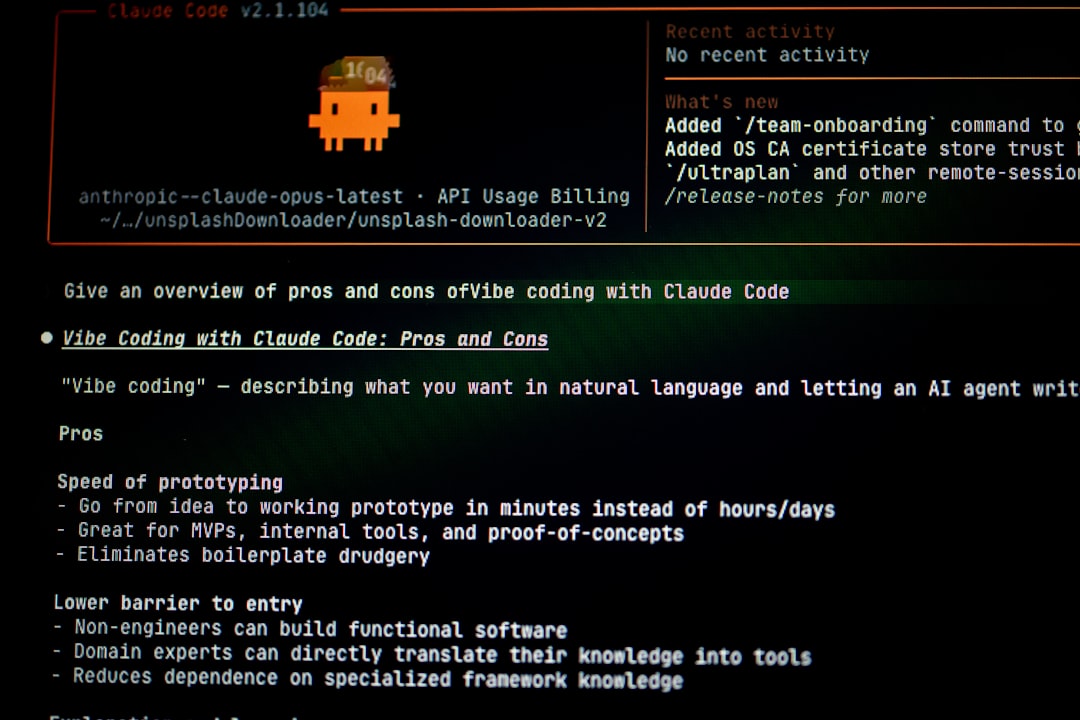
As AI adoption rises, its reshaping job roles, emphasizing human interaction and critical thinking over repetitive tasks.
The rise of artificial intelligence (AI) continues to spark discussions about its impact on the workforce. Key voices in technology and business are debating whether AI will disrupt the job market entirely or simply reshape how work gets done. While fears over job displacement dominate headlines, the reality may be more nuanced—and more transformative—than a simple replacement scenario.
Jobs Will Change, Not Just Disappear
According to recent commentary, the most immediate effect of AI is not the elimination of jobs altogether but rather a fundamental shift in how they are performed. "The way we did our jobs is going to change," one source points out. Instead of focusing on routine, administrative tasks, professionals across various industries will spend more time on duties that require human judgment, interaction, and creativity.
This shift means that job roles may retain the same titles, but their core responsibilities will evolve significantly. Work that once demanded manual execution will increasingly involve supervising, assessing, and refining the outputs of AI systems. Reviewing AI-generated work will soon dominate certain fields, as organizations strive to ensure accuracy, ethics, and alignment with broader goals.
The Growth of AI-Enhanced Roles
One clear indicator of this transformation is the growing demand for roles that include AI as a central component. Positions with terms like "AI specialist," "machine learning analyst," and "AI ethics officer" are already seeing a surge in the job market. This signals a major trend: rather than wholly replacing human skills, AI is broadening the horizons of what those skills can achieve, enabling entirely new types of work.
"I'm already seeing a massive influx of job roles with AI in their title," the source explains, underlining the rapid integration of artificial intelligence across industry sectors. From healthcare to finance and education, emerging roles are blending traditional professional expertise with AI literacy.
Human Focused Work Takes Center Stage
As machines take on increasingly repetitive and data-heavy tasks, workers will spend more time engaging in activities that require distinctly human capacities. Examples include interpersonal interaction, complex decision-making, and ethical discernment. By automating tedious tasks like data entry or scheduling, AI frees up time for employees to focus on innovation and problem-solving.
Consider customer service roles as an example: AI chatbots handle first-line queries, but human agents step in for complex concerns that require compassion or nuanced understanding. Similarly, in creative industries, AI tools can generate drafts or basic designs, while people refine and add character to the final product.
Challenges and Opportunities
The shift toward AI-mediated jobs also introduces significant challenges. Reskilling and upskilling are essential to ensure individuals can thrive in an AI-enhanced work environment. Workers must adapt to tools and processes they may not yet fully understand, and organizations bear the responsibility of providing adequate training to their workforce.
There are also deeper societal questions about equitable access to these new opportunities. Will the integration of AI create a wider gap between skilled and unskilled workers? What happens in sectors where AI adoption is slower or less feasible? While AI may automate certain aspects of work, its benefits will only be realized if businesses and policymakers plan for a balanced transition.
What the Future Holds
Looking ahead, the workforce of tomorrow is likely to be defined by adaptability. Jobs will continue to evolve as AI grows more capable, blending digital oversight, analytical judgment, and human creativity in new combinations. The key takeaway is clear: while AI is indeed reshaping the job landscape, it is not the final architect—humanity still retains agency and control.
Embracing this change will require a shift in mindset. Businesses must recognize the value of human interaction and creativity alongside technological capability. Individuals, meanwhile, must be open to evolving roles and responsibilities. With these efforts, the future of work promises to be an exciting collaboration of human and machine, rather than a one-sided replacement.
Staff Writer
Maya writes about AI research, natural language processing, and the business of machine learning.
Comments
Loading comments…


