How nuclear power could fuel AI's growing energy demands
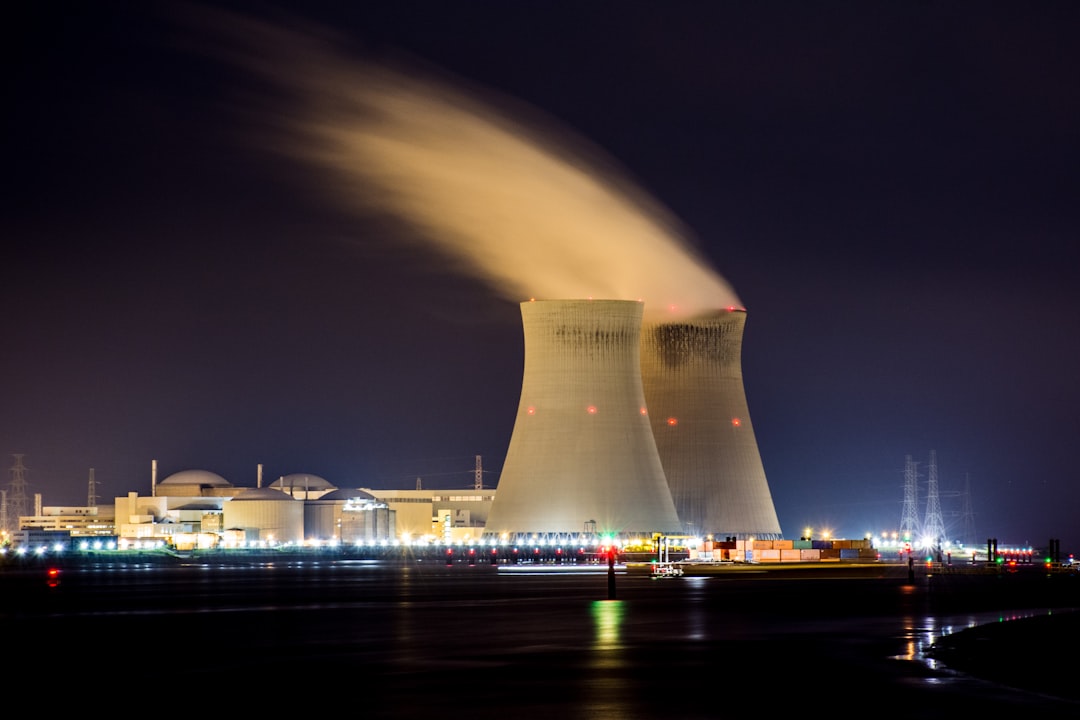
With artificial intelligence driving unprecedented power demands, some argue nuclear energy is the only viable solution.
As artificial intelligence (AI) systems scale to new heights, their energy demands are challenging the limits of existing power infrastructures. Some industry leaders believe nuclear power may be the only feasible solution to meet these needs. In a recent announcement, NVIDIA and the Los Alamos National Laboratory joined forces with Oklo, a nuclear energy company, to validate advanced fuel designed for next-generation nuclear-powered AI factories. These partnerships underscore the increasing urgency to address what many are calling AI’s looming energy crisis.
A race for power in the age of AI
AI has rapidly moved from cutting-edge research into nearly every industry, driving enormous demand for computational power. High-performance computing (HPC) and AI training require substantial energy resources, and this demand is only expected to grow. According to recent predictions, the semiconductor industry alone is projected to reach $1.6 trillion in value by the end of the decade, primarily driven by AI applications. Every major AI model release results in a snowballing effect across energy consumption, making it clear that current renewable energy systems like solar and wind may not suffice to meet AI’s needs.
Daniel Newman, an expert commentator in the field, describes this as an "exponential impact" of AI on energy systems. Newman argues that traditional energy sources, even in combination with renewables, may fall short unless nuclear comes into the equation. "We’ve underestimated the scale of what’s required," he says, emphasizing the role of companies like NVIDIA and Oklo in addressing energy bottlenecks.
Why nuclear, not solar or wind?
While advocates of renewable energy continue to push for solar and wind power solutions, critics suggest these systems lack the reliability and scalability needed for AI infrastructure. Solar and wind generation depends on unpredictable factors, from sunlight hours to wind patterns, and both require extensive battery storage to match the consistent energy demand of AI data centers. Nuclear, on the other hand, provides a steady, 24/7 power supply - a crucial attribute as AI systems demand increasingly uninterrupted and massive quantities of energy.
The collaboration between NVIDIA, the Los Alamos National Laboratory, and Oklo highlights how nuclear technology is being revisited as a solution for future AI-scale energy consumption. Specifically, these organizations are working on advanced reactors capable of delivering long-term, high-output power to AI factories. This partnership is particularly significant as Oklo has already secured several multi-billion-dollar agreements to build small modular nuclear reactors across the United States.
Challenges and potential payoffs
Despite its advantages, nuclear energy faces significant hurdles. None of Oklo’s reactors have been delivered or operationalized, and the broader nuclear industry continues to grapple with regulatory hurdles, public skepticism, and high upfront costs. As Newman notes, this is less about short-term gains and more about playing the long game. "You’re looking at a long horizon," he says, pointing to the volatility of such investments. Still, success in these efforts could pave the way for a more stable, scalable energy source to power the AI revolution.
And therein lies the tension. While the promise of nuclear-driven AI infrastructure is enormous, the execution and timeline remain critical challenges. "It’s like investing in space or quantum computing," Newman adds. Companies are experimenting with different technologies, from advanced fuels to reactor designs, and it will take years to determine which solutions are viable at scale. For now, however, many companies continue to invest heavily in these possibilities, reflecting the widespread belief that a breakthrough will eventually arrive.
Implications for tech and energy industries
If nuclear power becomes a cornerstone of AI infrastructure, it could fundamentally reshape both the energy and tech industries. More collaborations like the one between NVIDIA and Oklo suggest a merging of the two sectors, with energy providers and technology firms working in tandem to address the needs of next-generation AI systems.
At the same time, this pivot could lead to shifts in energy policy. Today’s nuclear regulations were designed with older, larger reactor designs in mind. However, as microreactor technology develops, governments will need to adapt their rules to allow for faster deployment. The United States, which remains behind some global competitors in nuclear deployment, is currently racing to build more plants. The Biden Administration has set an ambitious goal of adding 300 new reactors by 2025, but this target represents a massive acceleration of current efforts.
Newman acknowledges these efforts but also urges caution: "We’re still underestimating the impact AI will have on the energy grid." Without aggressive investment and collaboration across both industries, he warns, the existing power grid could become a bottleneck for further innovation in AI.
What happens next?
The ambitious timelines and investments signal an industry bracing for rapid transformation. Companies like Oklo and NVIDIA are banking not only on nuclear technology but on its compatibility with AI’s unique needs. Their efforts could redefine how energy is produced and consumed in the digital age, offering a blueprint for other high-demand industries.
For now, though, much of this remains speculative. Until reactors like Oklo’s are operational and AI factories begin drawing reliable power from them, the energy problem will remain acute. The next steps will depend on sustained investment, faster regulatory approval for advanced reactors, and broader public acceptance of nuclear energy as a key part of the solution.
What seems certain is that the urgency isn’t diminishing. Newman sums it up best: "We are in the middle of one of the most exciting revolutions any of us will experience, and I’m all in. The question now is whether our energy strategy can keep pace with our technological ambitions."
Staff Writer
Chris covers artificial intelligence, machine learning, and software development trends.
Comments
Loading comments…


