OpenAI Phone, Apple Maps Criticism, and the Rise of AI in New Tech Trends
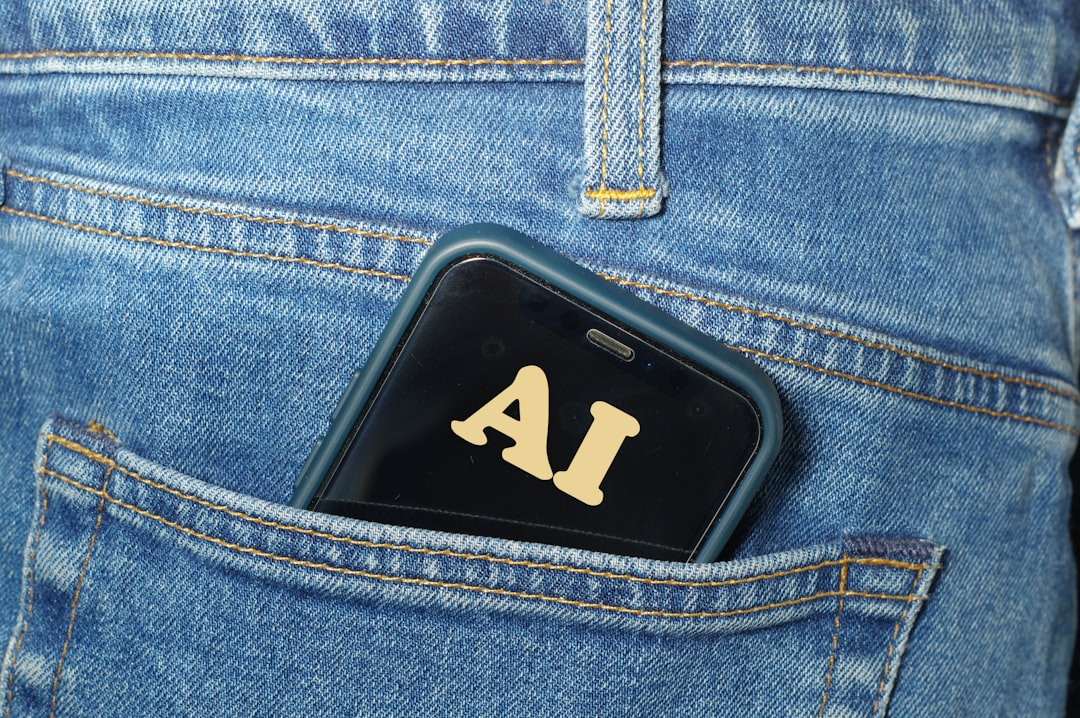
OpenAI's plans for an AI-powered phone, Apple's reflections on past mistakes, and advancements in agent-driven automation are reshaping tech trends.
OpenAI, widely recognized for its breakthroughs with ChatGPT, is reportedly gearing up to develop its own mobile phone. Collaborating with MediaTek and Qualcomm, the project is anticipated to deliver an all-new, AI-centric hardware experience. Early discussions suggest the phone may hit the market as early as 2028. The defining feature? A phone fully integrated with AI agents capable of performing complex, autonomous tasks.
OpenAI's Vision: Transforming Phones with AI Agents
The potential introduction of an OpenAI-branded phone signifies an evolution in how AI integrates into daily workflows. AI agents—programs designed to handle specific tasks autonomously—are predicted to take center stage. The concept follows OpenAI's recent advancements, including "connectors" that link ChatGPT to external tools like Canva for real-time project edits and presentations.
What's the big deal here? Currently, users rely on complex workflows, involving multiple steps and third-party apps, to complete tasks. OpenAI envisions simplifying this. Imagine speaking a command aloud, and your phone—powered by AI—automating the workflows seamlessly. Instead of typing prompts or navigating apps, users could have dashboards tailored to their specific needs, all integrated through APIs.
This shift mirrors how ChatGPT revolutionized content creation in 2022. If OpenAI pulls it off, phones with native AI agents could transform productivity, replacing step-by-step approaches with hands-free automation. However, significant technical challenges, especially in hardware-software integration, remain.
Nothing and Audio Interfaces: The End of Typing?
While OpenAI plans for an AI-empowered future, companies like Nothing are focusing on natural language interfaces. Nothing’s "Essential Voice," inspired by whisper-like tech, allows users to dictate tasks instead of typing. For instance, users can speak prompts for content creation instead of writing them. Though practical for quick communication, typing still has its advantages, such as enabling more structured thought processes.
Still, the rise of multimodal interfaces suggests a growing shift towards seamless communication between humans and machines. Services like Google Keyboard’s audio-to-text capabilities already offer similar features, hinting at how voice-driven tech might become mainstream.
Apple Maps: A Public Misstep That Shaped Apple's Future
A decade after its debut, Apple Maps remains a sensitive topic for Apple. CEO Tim Cook recently labeled its initial release as "Apple’s biggest mistake." Launched in 2012 to replace Google Maps, Apple Maps was riddled with inaccuracies, ultimately leading to a public apology and the firing of key executives, including potential CEO successor Scott Forstall.
Although Apple eventually turned the situation around—with features like 3D mapping and enhanced navigation—the fiasco underscored an important lesson: rushing a product, particularly one so integral to a user’s daily life, can have massive repercussions. Today, Apple’s ecosystem thrives, with devices like the Apple Watch earning praise as transformative gadgets. Yet, some products, like the next Apple TV update, face delays as Apple ensures that features—like improved Siri updates—are robust before release.
Samsung’s Galaxy Z Fold 8 and Memory Tech Woes
In hardware news, leaks about Samsung’s Galaxy Z Fold 8 suggest a wider design—likely inspired by Huawei’s foldable phones. The current ultra-thin design of foldables has been divisive, with some users finding it uncomfortable. If Samsung widens the device, it could enhance usability, making it a more practical alternative to traditional smartphones.
Samsung is not without setbacks, however. The company recently halted mass production of its 10nm DRAM chips. These chips were expected to debut in upcoming devices but faced technical issues, including low production efficiency. This halt hampers Samsung’s ability to lead in next-gen memory technology.
Shopify’s AI Agent: Quin 3
Shopify is also stepping into the AI arena, announcing "Quin 3 AI agent." Designed to handle store automation, it promises to manage up to 68% of tasks. The tool analyzes user websites and enhances them for speed, cost-effectiveness, and improved results. For businesses seeking smarter automation without significant upfront investments, Quin 3 appears to be an enticing proposition.
Meta Partners with AWS, China’s AI Push
Meta has partnered with AWS to access millions of CPUs, further scaling its AI capabilities. This partnership exemplifies how Meta is leveraging external resources to expand without bearing all costs internally.
Meanwhile, China is pushing forward aggressively in the AI race. Reports suggest the Chinese government is investing $14.7 billion in cloud infrastructure to bolster AI agent adoption. With a strong focus on self-reliance, China’s advancements in AI models could reshape global market dynamics.
Emerging Human Longevity Studies
Outside of mainstream tech, a fascinating study suggests humans might one day live up to 200 years. Researchers are studying the bowhead whale, known to live beyond 200 years, to understand how its disease-resistant proteins enhance DNA repair. If scientists succeed in harnessing this capability for humans, it could redefine aging. While immortality remains a fictional dream for now, biotechnology is pushing boundaries closer to science fiction.
What Does This Mean for the Industry?
The rise of AI agents, the integration of natural language interfaces, and the increasing complexity of global tech rivalries underscore a significant shift in the industry. Companies are no longer focused solely on standalone products or software—they are competing to create ecosystems that are more intelligent, personalized, and interconnected.
As OpenAI delves into hardware, Samsung refines foldable tech, and companies like Shopify automate workflows, the lines between hardware, software, and AI blur further.
The next frontier appears clear: automation that doesn’t just simplify tasks but fundamentally alters the way we interact with technology.
Staff Writer
Maya writes about AI research, natural language processing, and the business of machine learning.
Comments
Loading comments…


