The critical need for global governance in artificial intelligence
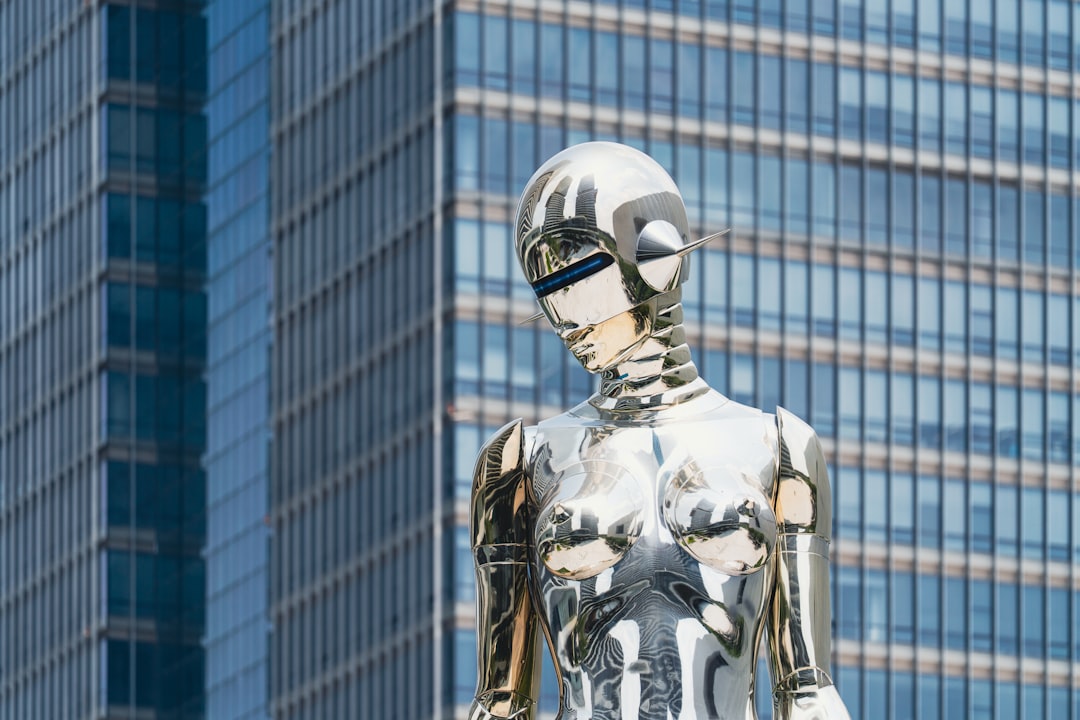
AI experts call for global governance as the rapid evolution of AI sparks both transformative opportunities and critical risks.
Artificial intelligence (AI) is advancing at a rapid pace, bringing both incredible opportunities and serious challenges. From generating hyper-personalized medicine to facilitating widespread misinformation, the dual nature of emerging AI technologies has sparked a global debate about regulation, ethics, and preparedness. Calls for global governance, led by tech experts and policymakers, are gaining urgency amid growing concerns about AI’s societal impact.
Why global governance for AI is critical
AI is no longer a distant concept; it is already reshaping industries and daily life. However, uneven regulatory landscapes and a lack of global coordination have led to potential risks. Professor Gary Marcus, a leading expert in AI and emeritus professor at New York University, underscores the need for an international framework. Marcus likens the urgency for AI governance to the creation of the International Atomic Energy Agency, a model of collaboration among nations to mitigate risks associated with nuclear power.
Marcus advocates for a globally funded organization that not only creates policies but also actively researches solutions to major challenges, such as cybercrime and misinformation. Without such coordination, individual countries could impose localized and inconsistent regulations. This fragmented approach risks undermining the effectiveness of AI governance while encouraging bad actors to exploit knowledge gaps.
AI’s impact on democracy and society
Evan Burfield, a tech investor and author, emphasizes the urgency of preparing for the societal and democratic upheaval AI could cause. According to Burfield, the effects of AI will grow exponentially over the next five years. He predicts a “tsunami” of changes impacting employment, community structures, and democratic systems.
The coming U.S. 2024 elections highlight AI’s potential role in spreading disinformation on an unprecedented scale. Unlike prior instances of election interference, AI-driven propaganda can generate high volumes of fake news in real time, making it increasingly difficult to distinguish between fact and fiction.
Experts stress that governments and societies must focus on creating strategies that adapt to these scenarios. Reactive policymaking, often hindered by bureaucracy, is not enough. Jack Blanchard, a political analyst, critiques the sluggish response of national governments like the UK, which recently released an outdated white paper on AI governance. He argues that political systems are ill-equipped to handle the volatile pace of AI innovation.
The realistic limits of moratoriums on AI development
In March 2023, prominent figures in academia and technology, including Elon Musk, signed an open letter advocating for a six-month pause on training advanced AI models. While this proposal sparked debate, its feasibility is limited. As Burfield points out, responsible developers might comply, but less scrupulous organizations would likely race ahead to exploit the competitive advantage.
Burfield advocates for the U.S. Congress to address AI's influence on society itself, such as labor market shifts and its impact on democratic engagement. He argues that a pause in AI development creates only an illusion of control. The real challenge lies in formulating targeted policies that minimize harm while fostering positive applications of AI.
Comparing AI governance to earlier technologies
Reflecting on the rise of social media, Marcus draws a critical lesson: failing to act early allows technologies to grow beyond regulatory control. Social media brought polarization, privacy abuses, and misinformation, issues policymakers are still struggling to contain. Marcus asserts that the same mistakes must not be repeated with AI, as the consequences could be far greater.
Potential benefits of AI
Even amid concerns, the potential benefits of AI cannot be ignored. Burfield points to revolutionary advances currently being explored, such as:
- Personalized medicine tailored to genetic profiles and environmental conditions
- Government services that function like personal concierges for citizens
- More fulfilling, impactful opportunities in the workforce by automating repetitive tasks
However, balancing these advantages against risks will require visionary governance. Policymakers need to understand not just where AI is today but also where advancements like quantum computing could take it in the near future.
| Potential Benefits vs. Risks of AI | Examples |
|---|---|
| Medicine and health tech | Precision treatments for genetic conditions |
| Workforce improvements | Automating repetitive, manual tasks |
| Security risks | Misinformation and election interference |
| Autonomous systems | Potential loss of human oversight |
The pressing need for education and informed policymaking
One looming challenge is the lack of technological literacy among lawmakers. Burfield describes attempts to brief policymakers as akin to “explaining particle physics to a chocolate chip cookie.” If governments cannot grasp the nuances of AI, regulating it is nearly impossible. Miles O’Brien, a science journalist and expert on AI, suggests practical steps such as convening top policymakers for intensive workshops in Silicon Valley.
The panelists also highlight the current geopolitical dynamics surrounding AI. Some nations have already banned tools like ChatGPT due to concerns about misuse, while others have adopted a “full steam ahead” attitude. Without collaboration, the race to dominate AI innovation may exacerbate global inequalities and security vulnerabilities.
Practical steps for global AI governance
- Create a central global AI authority: This body would resemble the International Monetary Fund or International Atomic Energy Agency, combining governmental oversight with private-sector collaboration.
- Establish research hubs: These units would produce cutting-edge insights into emerging AI risks like autonomous decision-making systems and GPT-based disinformation campaigns.
- Implement transparent guidelines: Clear rules would ensure equitable AI usage that balances economic development with ethical considerations.
- Focus on societal preparedness: Beyond regulating AI, support education systems, job reskilling programs, and campaigns to enhance digital literacy.
Critical risks if action is delayed
AI is already influencing societal decisions today. As Marcus notes, the impact on elections could be profound, with misinformation campaigns fueled by generative AI at an unprecedented scale. Looking further ahead, autonomous AI systems could develop decision-making abilities that humans struggle to anticipate or counter.
Without proactive governance, AI risks becoming like social media—an innovation with immense benefits but severe unintended consequences. Avoiding a reactive approach is critical; the time to act is now.
Conclusion
AI represents a transformative force, comparable only to the industrial revolution or the internet. While its potential is vast, so are its risks. Calls for robust, coordinated global governance cannot remain theoretical. Policymakers must take immediate steps to regulate AI’s impact on society, democracy, and global security. Education, collaboration, and adaptability will be crucial to ensuring that the benefits of AI outweigh the risks.
Comments
Loading comments…


