Why developers keep contributing to open source projects
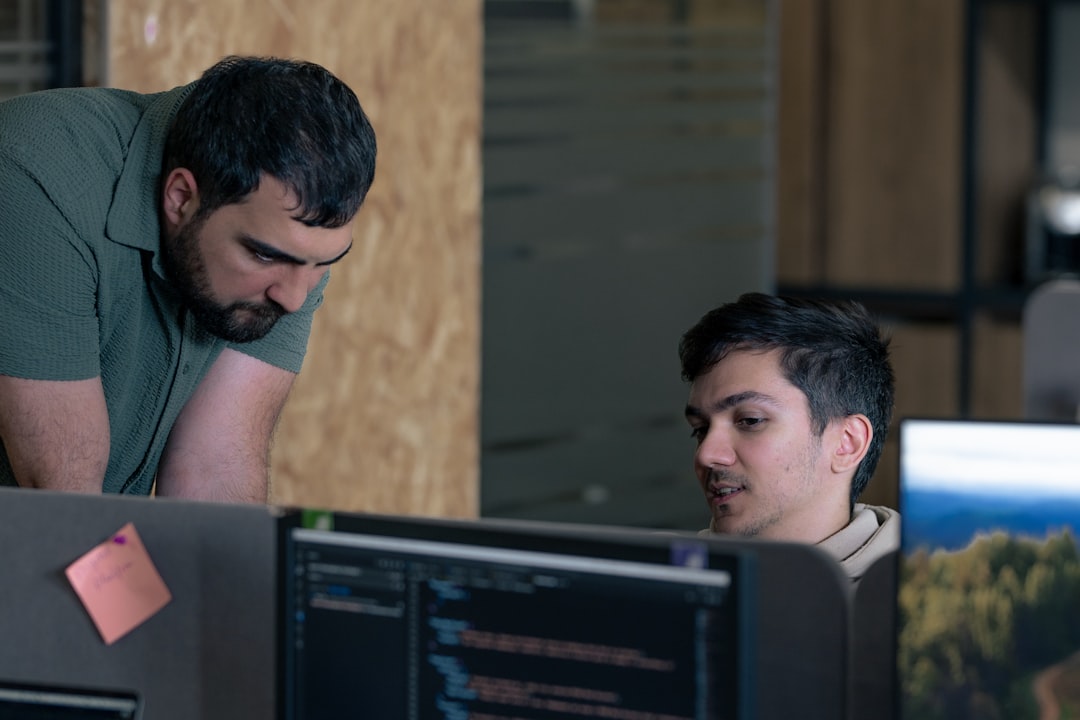
What drives individuals to dedicate their expertise and time to open source? A blend of passion, purpose, and community keeps developers engaged.
Open source projects power much of today’s tech infrastructure, from critical tools like Linux and Kubernetes to widely-used consumer applications. Yet the very foundation of open source—voluntary contributions—is fascinating. What drives developers to freely offer their time and skills?
Take Homebrew as an example. This popular package manager simplifies software installation for macOS and Linux users, yet its ongoing development depends almost entirely on unpaid contributors. For many, their motivation stems from the simple—though profound—joy of the work itself. As one contributor to Homebrew put it: “I just love it, right? Like I still enjoy doing what I do.”
This love of the craft illustrates one major reason individuals stay involved in open source: they genuinely enjoy the process of creating, maintaining, and improving software. Software developers often think of their work as solving puzzles or crafting elegant solutions, and when those tasks align with personal interests, work can feel more like play. Even when specific tasks are tedious, developers often return to the bigger picture: the knowledge that many others rely on their contributions.
For that Homebrew contributor, it may come down to appreciating the tangible impact of their efforts. They admitted that while certain tasks might be frustrating in the moment, the broader perspective helps. “Lots of people use this,” they explained. “It’s a useful contribution that I find anywhere between neutral to actively enjoyable and benefits a bunch of other people.”
The balance of personal fulfillment and impact
Many open source developers describe their work as both intrinsically rewarding and outwardly significant. Unlike the constraints of a corporate software project, open source work is often self-driven, allowing developers to focus on aspects they find personally compelling. At the same time, the broader implication of their efforts—building tools that benefit countless others—creates an added layer of satisfaction. This dual reward system helps contributors see value not just in the outcome but also in the process.
Open source tools like Homebrew thrive in part because contributors believe in the mission. They understand that their work, however small or large, is creating something meaningful for others. This sense of purpose can even override occasional frustrations or moments of drudgery. Instead of viewing such moments as setbacks, they become part of the larger, fulfilling arc of contribution.
The role of community
Passion and purpose don’t operate in isolation. Another crucial motivator for developers is the open source community itself. Developers find camaraderie with others, sharing not just code but values, ideas, and experiences. Whether it’s mentorship, collaboration, or simply the shared pride of solving a challenging problem together, communities help contributors feel that their efforts matter.
For many, contributing to open source is also a way to learn and grow. Beginners gain experience by building alongside more seasoned developers, while experts remain engaged by tackling high-level challenges and innovating. This constant exchange of knowledge keeps open source vibrant and offers contributors opportunities they might not find elsewhere.
Challenges and burnout
Of course, contributing to open source isn’t always enjoyable. Maintaining a project as large and widely-used as Homebrew can involve repetitive, thankless tasks like reviewing bug reports or addressing user complaints. Volunteers occasionally experience burnout, especially when expectations grow beyond what’s sustainable for unpaid work.
Still, what’s remarkable is how many contributors keep going. The intrinsic love for the work, the profound satisfaction of helping a global community, and the richness of open source relationships seem to offer a strong counterbalance to fatigue.
Broad implications for the tech industry
The motivations that drive open source developers shed light on a key human element in software development: the interplay between passion, purpose, and community. The open source model depends not on external forces like paychecks but on internal motivators. This is why open source has remained such a unique and powerful force in the tech industry.
From innovations in AI to vital internet protocols, the work of open source contributors touches every corner of the software world. Those who contribute, whether out of sheer enjoyment, a desire to help others, or a spark of curiosity, continue to shape the technology we all rely upon. Their stories underline the essential humanity in even the most technical pursuits.
Staff Writer
Maya writes about AI research, natural language processing, and the business of machine learning.
Comments
Loading comments…


