12 Cars Americans Are Avoiding in 2026: The Worst-Selling Models
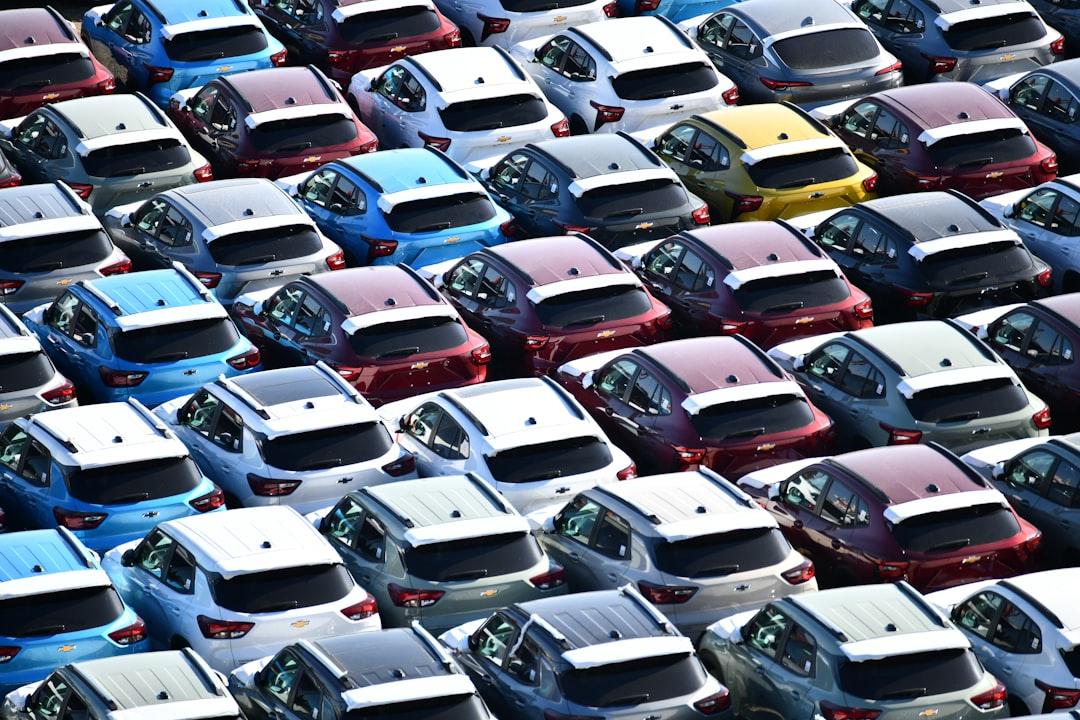
These 12 cars are gathering dust at dealerships in 2026 due to reliability issues, poor design choices, and pricing misfires.
Walk into any U.S. car dealership in 2026, and one thing is immediately clear: certain models are sitting unsold in overwhelming numbers. These 12 vehicles are the slowest-selling cars in America, based on market day supply data sourced from Car Edge. This metric represents how long it takes dealerships to sell current inventory. Let's investigate why these models are struggling to find buyers.
12. Jeep Gladiator
Market Day Supply: 196 days
Units on Lots: Nearly 20,000
Average Price: $48,700
The Jeep Gladiator's odd appeal as a mash-up between a truck and an off-road-focused Jeep is clearly wearing thin. Despite its off-roading prowess, the vehicle is compromised in utility due to its small 60.3-inch bed, which is impractical for larger loads. The solid front axle, while excellent for rock crawling, renders highway driving unpleasant. Add in reliability complaints surrounding its 3.6L Pentastar engine, and it’s no surprise buyers are walking away.
11. Mitsubishi Eclipse Cross
Market Day Supply: 200 days
Units on Lots: About 2,600
Average Price: $30,000
Mitsubishi's attempt to revive an iconic nameplate with the Eclipse Cross hasn't resonated. A cheap-feeling interior and bizarre reliability issues with the collision mitigation system—such as the car stopping in traffic—make it an untrustworthy choice. The misuse of the “Eclipse” nameplate also alienated longtime fans.
10. Hyundai Sonata
Market Day Supply: 201 days
Units on Lots: More than 11,000
Average Price: $30,000
Despite Hyundai’s strong momentum in past years, trust issues with its engines persist. Previous models plagued by fires and oil consumption problems created a lasting stigma. Compounding this, Hyundai dealerships have earned a reputation for aggressively denying warranty claims unless customers provide near-perfect maintenance records.
9. Ford Mustang
Market Day Supply: 202 days
Units on Lots: Nearly 19,000
Average Price: $48,000
The 2026 Ford Mustang fails to excite. It feels more like a facelift of the previous generation, with polarizing screens added for good measure. Buyers are opting for older, better-value special editions like the Mach 1 or GT350. Combined with Ford’s production issues and the model’s hefty price tag, enthusiasm for this icon has waned.
8. Mazda CX-90
Market Day Supply: 206 days
Units on Lots: Around 16,000
Average Price: $48,000
Mazda aimed to step into the premium SUV space with the CX-90, but early buyers are finding it riddled with first-year manufacturing glitches. From jerky 8-speed transmissions to reports of leaky radiators and failing hybrid batteries, the lack of reliability is glaring. Mazda's unwillingness to budge on MSRP isn’t helping, either.
7. BMW 8 Series
Market Day Supply: 207 days
Units on Lots: Approximately 2,000
Average Price: $112,000
The BMW 8 Series faces a harsh reality: extreme depreciation coupled with supply chain-related compromises in recent models. Even wealthy buyers are balking, as they can find three-year-old models for half the price. High maintenance costs, such as $750 brake pads, deter potential owners further.
6. Hyundai Santa Cruz
Market Day Supply: 222 days
Units on Lots: Over 10,000
Average Price: $36,500
The Santa Cruz, designed as a compact truck, fails on multiple fronts. Its dual-clutch transmission causes unsafe low-speed performance, and its fuel economy is lackluster at only 21 mpg. With the more practical and affordable Ford Maverick readily available, the Santa Cruz is left in the dust.
5. Mini Convertible
Market Day Supply: 224 days
Units on Lots: About 2,000
Average Price: $45,000
Mini seems to have forgotten its core audience. Without the fun and affordability that once defined the brand, the tiny, impractical convertible simply isn’t worth its $45,000 price tag to today’s buyers, especially given its questionable reliability and lack of a manual transmission option.
4. Buick Envision
Market Day Supply: 267 days
Units on Lots: Over 11,000
Average Price: $41,000
Buick’s Envision struggles with quality control issues linked to its Chinese production. Buyers report electrical gremlins and inconsistent manufacturing quality. Buick’s battle to shake its “old person’s car” reputation is another uphill climb that hasn’t been successful with this model.
3. Dodge Charger
Market Day Supply: 406 days
Units on Lots: Over 5,700
Average Price: $56,600
Dodge's move away from the V8 engines that defined the Charger is alienating its core audience. The new turbocharged inline-six and electric powertrains don’t match the muscle car identity, and the increased price tag pushes buyers toward other brands.
2. Jeep Grand Wagoneer
Market Day Supply: 463 days
Units on Lots: Over 4,500
Average Price: $85,250
The Grand Wagoneer comes with a premium price tag but fails to live up to luxury expectations. Reports of early engine failures, poor build quality, and a lack of rear passenger amenities like roof-mounted AC vents make it hard to justify its six-figure cost.
1. Volkswagen ID.4
Market Day Supply: 480 days
Units on Lots: Data not available but ample
Average Price: $49,500
Topping the list, the Volkswagen ID.4 faces catastrophic reliability issues. Early models feature outdated software; the 12-volt battery bricking problem renders vehicles immovable. Combined with slow infotainment and clunky controls, buyers are avoiding this electric vehicle experiment.
Final Thoughts
These cars share common threads: reliability problems, poor design choices, and price points that fail to match their perceived value. Many, like the Jeep Gladiator and Volkswagen ID.4, stumble over quality issues, while others, such as the Dodge Charger, pay the price for abandoning their core customer base. Consumers have spoken by leaving these models on the lot.
FAQs
Why is the Volkswagen ID.4 struggling to sell?
Reliability issues, particularly a 12-volt battery failure, have made it untrustworthy among consumers. Outdated software and user-unfriendly features worsen the appeal.
Why aren’t people buying the Dodge Charger anymore?
By replacing the iconic V8 engines with hybrid and electric options, Dodge alienated loyal fans. Moreover, steep prices and reliability concerns push buyers toward other options.
Is depreciation a factor for higher-end models on this list?
Yes, vehicles like the BMW 8 Series suffer from rapid depreciation, making them financially impractical for most buyers.
Staff Writer
Mike covers electric vehicles, autonomous driving, and the automotive industry.
Comments
Loading comments…


