'Biggest loser': EVs struggle in shifting auto market as SUVs surge
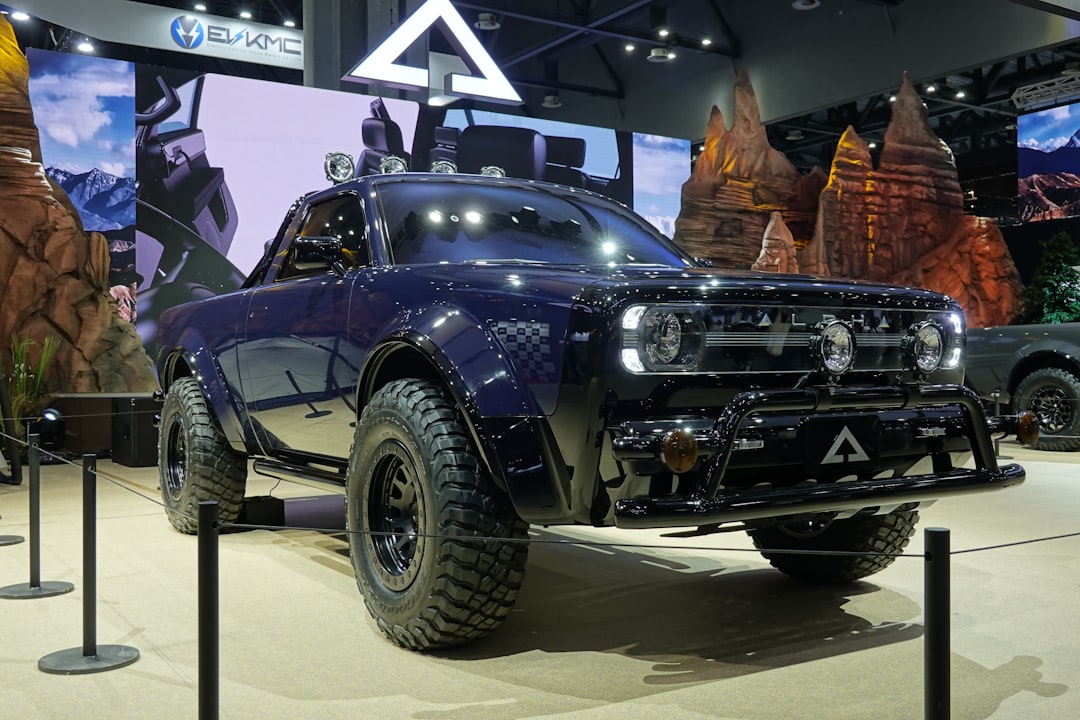
Electric vehicles face declining demand as midsize SUVs and trucks gain popularity, signaling a change in the automotive market.
The automotive market is undergoing a noticeable shift, with electric vehicles (EVs) seeing one of their toughest moments amid rising demand for midsize SUVs and trucks. As industry trends at the recent auto shows suggest, carmakers appear to be responding to consumer preferences. Large, fuel-powered vehicles are gaining favor, while smaller cars and EVs are significantly trailing in sales.
SUVs and Trucks Dominate the Market
New data underscores the growing popularity of midsize SUVs and trucks. Sales for these categories saw an impressive spike in February, with midsize SUVs rising by 15% and midsize trucks climbing 14%. Automakers showcased their latest models of such vehicles at recent auto industry events, drawing substantial consumer interest. The unveiling of new SUVs attracted significant crowds, highlighting where the market is heading.
In contrast, smaller cars have struggled. Compact vehicles reportedly declined by 8% in February, marking a clear shift in consumer demand. What’s more striking is the performance of EVs, which appear to be the biggest losers amid this changing environment.
EV Market Faces Resistance
The decline in EV sales may surprise some, given the heavy emphasis on adopting greener technology in recent years. However, despite growing incentives and government pushes toward electrification, auto shows and sales trends suggest that consumer interest in EVs might be waning. Challenges such as affordability, fears over insufficient charging infrastructure, and potential tariffs on critical components could be influencing buyers to stick with more traditional options.
The Role of Tariffs and Production Costs
Another key factor affecting sales, particularly for EVs, is the impact of tariffs and higher production costs. A report from Cox indicates that automakers and suppliers have collectively incurred approximately $35 billion in tariffs. To put that into perspective, this equates to nearly $4,000 per vehicle. Nissan's President of the Americas acknowledged the issue, remarking that while the company has managed to reduce its net tariff exposure—from $4 billion a year ago down to $1.52 billion—there’s still work to be done to further minimize costs. Nissan has focused on building more vehicles within the U.S. to cut expenses.
Higher costs disproportionately affect EVs because of their heavy reliance on imported components such as batteries, which are subject to tariff fluctuations. Automakers aiming to make electric cars more affordable face an uphill battle, particularly as competing segments like SUVs and trucks continue to capitalize on lower production costs relative to consumer demand.
What Happened to the EV Boom?
The cooling EV trend raises questions about whether the lofty goals set by the industry and policymakers for the shift to electric power were overly ambitious. EVs experienced rapid growth during their initial breakthrough, but long-term demand seems harder to sustain, particularly in markets where disposable income and infrastructure limitations remain barriers. Midsize SUVs and trucks, on the other hand, offer practicality and familiarity, often at a lower total cost of ownership compared to EVs.
Automakers Pivot to SUVs and Trucks
For many automakers, the current environment has led to recalibrating their strategies toward producing models that are selling well. With SUVs and trucks commanding a premium in today’s market, the focus is less on innovation and more on meeting immediate consumer demand. This strategy has obvious financial advantages, particularly as companies try to offset the challenges posed by higher operational costs and tariff-related expenses.
Implications for the Auto Market
With the renewed focus on larger, fuel-powered vehicles, the automotive market could face a slower transition toward electrification than initially anticipated. The environmental implications of this shift are notable as well; a market moving back toward gas-powered vehicles comes at odds with global climate goals and the push for lower emissions. Policymakers and industry leaders may need to reassess how to incentivize EV uptake to avoid losing momentum in the move to cleaner technologies.
On the other hand, the automotive industry is nothing if not cyclical. As technology improves and larger-scale production of battery components drives costs down, EVs may find a stronger foothold in the marketplace. But for now, consumer preferences seem to be favoring size, power, and familiarity over cutting-edge innovation.
What’s Next for EVs?
The EV market still holds potential, but its current challenges highlight the need for both automakers and governments to address the barriers slowing adoption. Affordable pricing, robust charging infrastructure, and the mitigation of tariff impacts could help bolster the segment in the future. In the short term, though, the road seems to be paved for the dominance of midsize SUVs and trucks.
Whether this marks a temporary setback for EVs or a more significant trend away from electrification remains to be seen. For now, the numbers speak clearly: consumers are voting with their wallets, and their message appears to favor traditional fuel-powered vehicles over electric ones.
Staff Writer
Mike covers electric vehicles, autonomous driving, and the automotive industry.
Comments
Loading comments…


