All-electric air taxi makes its debut with Joby Aviation's NYC demo
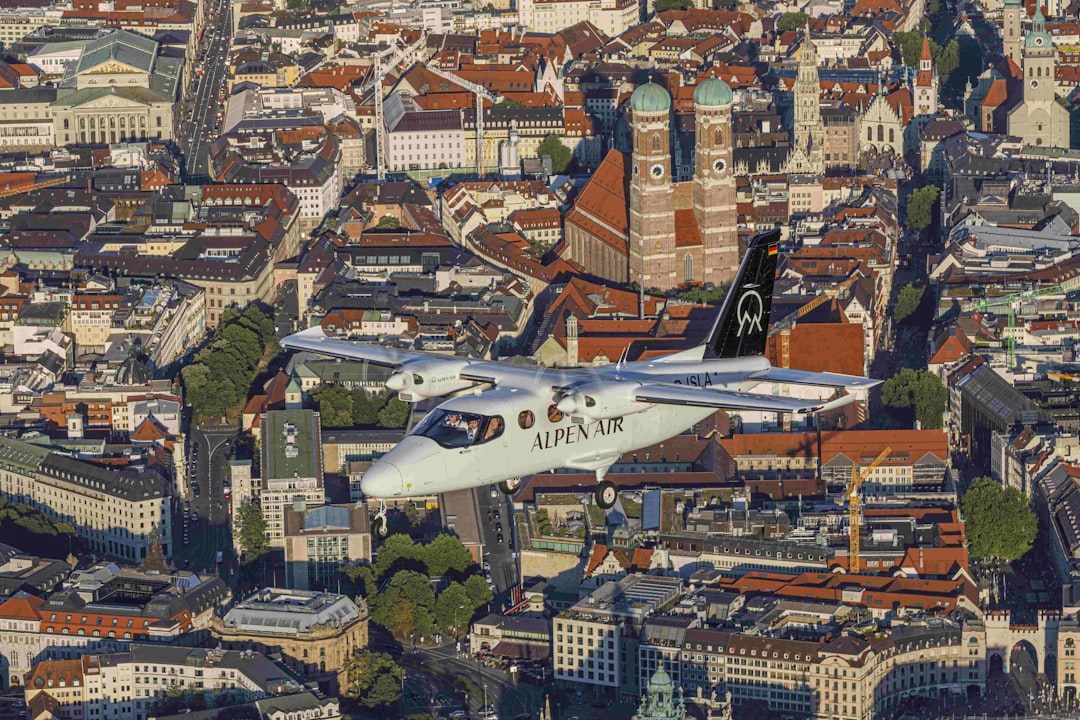
Joby Aviation unveils its all-electric air taxi, aiming to cut NYC travel times drastically with quieter, zero-emission flights.
Joby Aviation is turning the dream of urban air mobility into a reality. At New York City's John F. Kennedy International Airport, the company showcased its all-electric air taxi in a live demonstration. This aircraft promises to transform how residents and visitors navigate the bustling metropolis. The vision is as ambitious as it is timely: reducing traffic congestion, cutting travel times substantially, and offering an environmentally friendly alternative to traditional ground transportation.
The promise: From 90 minutes to under 10
The highlight of the event was Joby Aviation's promise that the air taxi could shuttle passengers from JFK to Manhattan's West 30th Street Heliport in under ten minutes. Currently, this journey—depending on traffic—can take up to 90 minutes by car. For commuters and travelers weary of grinding through gridlock, this represents a seismic shift in convenience.
According to company officials, the technology aligns with a long-stated mission to “connect the region with quiet, emissions-free air travel.” This inaugural demonstration marks an important milestone in bringing that vision to market.
What makes the air taxi special?
Joby Aviation’s air taxi stands out for its environmentally conscious design and operational efficiency. As an all-electric aircraft, the vehicle produces zero direct emissions, addressing a critical concern for urban centers striving to reduce air pollution. In addition, the aircraft is engineered to operate quietly, a critical feature for a city as noise-sensitive as New York.
While the exact technical specifications of the aircraft remain under wraps during this demonstration, Joby has been developing a vertical takeoff and landing (VTOL) vehicle built for short urban routes. These aircraft typically feature compact designs, making them more suitable for integration into cityscapes than traditional helicopters.
Pricing: A luxury or accessible?
The company revealed that rides in the air taxi will cost approximately the same as using Uber Black, the premium ride-hailing service offered on the popular transportation platform. While this may initially position the air taxi as a service for upper-middle-class to wealthy commuters, Joby likely sees the premium positioning as a foothold into the market. Over time, costs could potentially decrease as the technology scales and sees broader adoption.
Who stands to benefit?
Joby Aviation’s push into NYC is significant for several groups of users. Business travelers looking to save time on commuting to and from JFK constitute one of the biggest potential markets. Residents of New York may find the prospect appealing during peak travel hours, when ground traffic becomes virtually unbearable. Out-of-town visitors navigating the complexities of New York City transportation might also find the air taxi a welcome option with its smaller time commitment.
Beyond individuals, the system benefits the city’s infrastructure, providing an alternative transit method that relieves pressure on roads and subway systems. From an environmental perspective, the zero-emission setup would align well with NYC’s broader push toward sustainability.
What comes next for Joby Aviation?
The company announced that it is in the "final stages" of preparation for wider rollout but stopped short of providing a definitive launch date. More regulatory hurdles remain as federal agencies like the FAA work to finalize standards for eVTOL vehicles. Joby’s NYC launch coincides with a broader industry push, competing with rivals such as Archer and Lilium who are also investing heavily in air mobility solutions.
However, significant questions remain about scalability, logistics, and public perception. While the electric air taxi is undoubtedly a technological marvel, its footprint will still require thoughtful integration into cities. Concerns such as noise levels beyond initial specs, the accessibility of landing zones, and equity between high-income and lower-income users are likely areas where further clarity is needed.
Broader implications for urban travel
Urban air mobility is set to redefine travel in metropolitan areas. The combination of shorter travel times, reduced environmental impact, and premium service levels is likely to attract interest from other major cities around the world. For New York, long considered a proving ground for new tech-driven transit systems, this launch could pave the way for wider adoption of airborne urban transportation.
Joby Aviation’s air taxi is arriving at a moment of opportunity. With increasing gridlock and global calls for sustainability, the technology is well-positioned to address glaring inefficiencies in how people move around megacities. That said, major players in the industry—including regulators, municipal planners, and competitors—will shape whether this future is one of frictionless air travel or lingering traffic nightmares, with the occasional electric helicopter overhead.
Staff Writer
Mike covers electric vehicles, autonomous driving, and the automotive industry.
Comments
Loading comments…


