Are lithium-ion batteries the future of 12V car batteries in EVs?
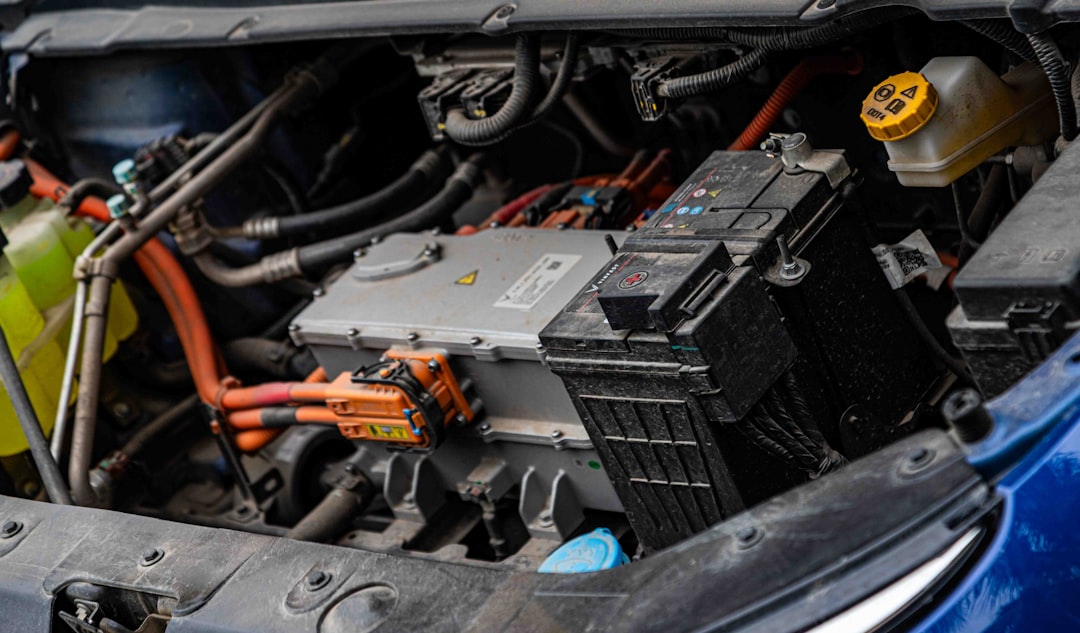
While lead-acid batteries dominate ICE vehicles, EVs are driving a shift to lithium-ion for better efficiency and durability.
Every car on the road today, whether powered by an internal combustion engine (ICE) or electricity, comes equipped with a 12V battery. This relatively small power source plays a critical role: it ensures the car starts and supports key electrical systems. For over a century, the lead-acid battery has been the standard choice for this job. However, with the rise of electric vehicles (EVs) and advanced battery technologies, some are wondering if the 12V battery is due for its own upgrade—specifically to lithium-ion technology.
Lead-acid batteries: Endurance over sophistication
In traditional ICE vehicles, the primary job of the 12V battery is to start the engine. This requires an extremely high peak current to power the starter motor, especially under challenging conditions. Low temperatures, vibrations, and voltage fluctuations are all factors that a car battery must endure. It's precisely these conditions that favor the simpler design and reliability of lead-acid batteries.
Lead-acid batteries have a tried-and-true structure. They are durable, cost-effective, and relatively easy to maintain. They also don't demand sophisticated management electronics. While lithium-ion batteries might seem like a natural upgrade, lead-acid still holds key advantages for combustion-engine vehicles. Adopting lithium-ion in this context would require substantial modifications, such as integrating a battery management system (BMS) and making significant changes to the car’s electrical system—an effort that offers almost no tangible benefits. For ICE vehicles, lead-acid batteries remain the most practical and economical choice.
EVs pave the way for lithium-ion adoption
The situation is markedly different for electric vehicles. EVs don’t rely on a 12V battery to crank an engine; instead, the high-voltage battery system propels the vehicle. The 12V battery in EVs serves as an auxiliary power source, managing onboard electronics, lighting, infotainment, and other low-power systems. Its main task is to activate the high-voltage battery and provide stable voltage for the vehicle's electrical systems.
Voltage stability and efficiency are key priorities for EVs, and this is where lithium-ion batteries excel. Unlike lead-acid, lithium-ion batteries maintain their charge for longer, operate more efficiently, and exhibit greater durability across a range of temperatures. EVs inherently include sophisticated electronic systems, such as a BMS, which are designed to handle the nuances of lithium-ion technology. This makes the transition to lithium-ion for the 12V battery far less disruptive compared to ICE vehicles.
There is already a growing trend in newer EV models to replace traditional lead-acid auxiliary batteries with lithium-ion alternatives. This shift aligns with the need to maximize efficiency and reduce weight—two priorities that are critical in EV design. Lithium-ion batteries are not only lighter than their lead-acid counterparts but also have longer lifespans, meaning fewer replacements and lower maintenance over the lifecycle of the vehicle.
Why aren't all EVs using lithium-ion 12V batteries yet?
Despite the clear advantages, not every EV on the market has adopted lithium-ion for the 12V battery yet. The primary reason is cost. Lead-acid batteries are still significantly cheaper upfront, and in the competitive EV market, manufacturers are often striving to keep vehicle prices as accessible as possible. Additionally, while lithium-ion 12V batteries improve efficiency marginally, the upfront investment may not appeal to every automaker.
Another consideration is standardization. The automotive industry has relied on lead-acid 12V batteries for so long that production lines and supply chains are optimized around their use. Transitioning to lithium-ion would involve reconfiguring parts of the manufacturing process, which comes with its own logistical and financial challenges.
What this shift means for the EV industry
The gradual adoption of lithium-ion 12V batteries in EVs represents the broader technological evolution taking place within the auto industry. It’s not just about making vehicles electric; it’s about refining every component to align with the efficiency, sustainability, and performance goals of EVs. As battery costs continue to decline and demand for higher efficiency rises, we’re likely to see more EVs embrace lithium-ion technology for all their power needs—high-voltage and auxiliary systems alike.
For consumers, this could mean less frequent 12V battery replacements and potentially reduced long-term maintenance costs. Additionally, the use of lithium-ion could improve the reliability of electrical systems, ensuring better performance in extreme climates or under heavy use.
Final thoughts
Lead-acid batteries aren’t going away anytime soon, but their role is clearly shifting. While they’ll remain a fixture in ICE vehicles for the foreseeable future, EVs are proving to be fertile ground for lithium-ion transformation. For EV manufacturers and drivers alike, this change is not just about keeping up with trends; it’s about optimizing technology to meet the unique demands of electric mobility. The road ahead points toward a steady, if not inevitable, shift in how we power our cars—not just on the high end but in the small, essential details like the humble 12V battery.
Staff Writer
Nina writes about new car models, EV infrastructure, and transportation policy.
Comments
Loading comments…


