Why lithium-ion batteries are gaining traction for EV starter systems
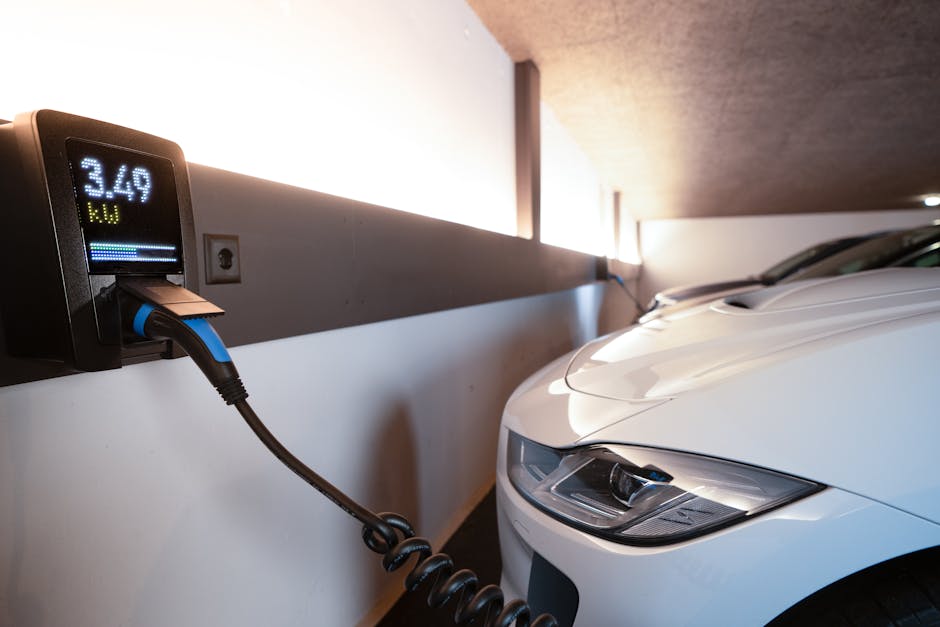
Lithium-ion batteries are being increasingly adopted in EVs as replacements for traditional 12V lead-acid starter batteries due to their efficiency and durability.
Every car depends on a 12V battery, usually a lead-acid one, to start the engine or power electrical systems. Yet, with the rise of electrification in the automotive industry, there’s growing interest in switching these to lithium-ion batteries. What drives this trend for electric vehicles (EVs), and why don't internal combustion engine vehicles (ICEs) follow suit? Let’s break it down.
The 12V battery’s role in ICE cars
In traditional combustion-engine cars, the 12V battery plays a vital role: it starts the engine by supplying a high peak current. Given this job, the battery needs to withstand challenging conditions such as extreme temperatures, vibrations from the engine, and constant voltage fluctuations.
Lead-acid batteries, which have been the standard for decades, excel in these demanding conditions. Their simple structure and lower maintenance requirements make them ideal for the task. While lithium-ion batteries are lighter and boast superior energy density, their complexity requires the addition of a battery management system (BMS) to monitor and protect the battery. This would necessitate modifying the car’s electrical systems, complicating the transition.
For combustion-engine vehicles, then, there isn’t a compelling reason to replace 12V lead-acid starter batteries with lithium-ion ones. The primary demands of high current and rugged reliability are better met by the established, cost-effective lead-acid technology.
Changing priorities in EVs
The situation shifts dramatically when it comes to electric vehicles. Unlike traditional cars, the 12V battery in an EV isn’t responsible for cranking a mechanical engine. Instead, its main role is to power auxiliary systems—think lights, infotainment, sensors, and communication modules—as well as to activate the high-voltage battery that powers the vehicle.
The requirements for the 12V battery in an EV prioritize stability, efficiency, and integration rather than peak power delivery. In this context, lithium-ion batteries have clear advantages over their lead-acid counterparts:
- Higher energy efficiency: Lithium-ion batteries lose less energy during charging and discharging.
- Longer lifespan: They last significantly longer, reducing the need for replacements over the vehicle’s life.
- Better weight-to-performance ratio: Since EVs aim to minimize weight for better energy efficiency, the lightweight design of lithium-ion is a crucial advantage.
Built-in systems pave the way for lithium-ion
Unlike ICE cars, EVs are already equipped with advanced energy management systems. These include the battery management system (BMS) and power management units designed to optimize energy use across the vehicle. Such infrastructure seamlessly integrates lithium-ion technology, eliminating one of the biggest hurdles for using these batteries in combustion-engine cars.
Manufacturers are aware of these benefits, and the EV market has begun transitioning toward lithium-ion 12V batteries for auxiliary tasks. As EVs grow in popularity and manufacturers aim for greater efficiency and durability, this shift could soon become an industry standard.
Why not the same for ICE vehicles?
The case for lithium-ion in combustion cars remains weak because of the cost and complexity it would introduce. Retrofitting an existing ICE vehicle to use lithium-ion would require not just a battery replacement but also significant upgrades to the electrical and energy management systems. For cars where the 12V battery mainly functions as a starter, the payoff—whether in terms of efficiency or cost savings—is minimal. Furthermore, lead-acid batteries remain cheap and readily available, aligning well with ICE performance needs.
Future context
The move to lithium-ion 12V batteries in EVs mirrors the broader trend towards adopting advanced, energy-efficient technologies across the automotive sector. This shift is part of automakers' larger goals to extend vehicle durability and reduce overall environmental impact.
While ICE cars are unlikely to see this change soon, the focus on a greener, all-electric future ensures that lithium-ion technology will play an increasingly important role. The challenge for manufacturers will be balancing the higher initial cost of lithium-ion with their long-term benefits for consumers, such as lower maintenance demands and improved reliability.
As the automotive world transitions toward electrification, the reimagining of even seemingly small components like the 12V battery highlights the relentless push for efficiency and integration. For EVs, at least, lithium-ion seems less a future possibility and more of an inevitable pathway.
Staff Writer
Mike covers electric vehicles, autonomous driving, and the automotive industry.
Comments
Loading comments…


