The Environmental Costs of Electric Vehicles: What Lies Beneath the Surface
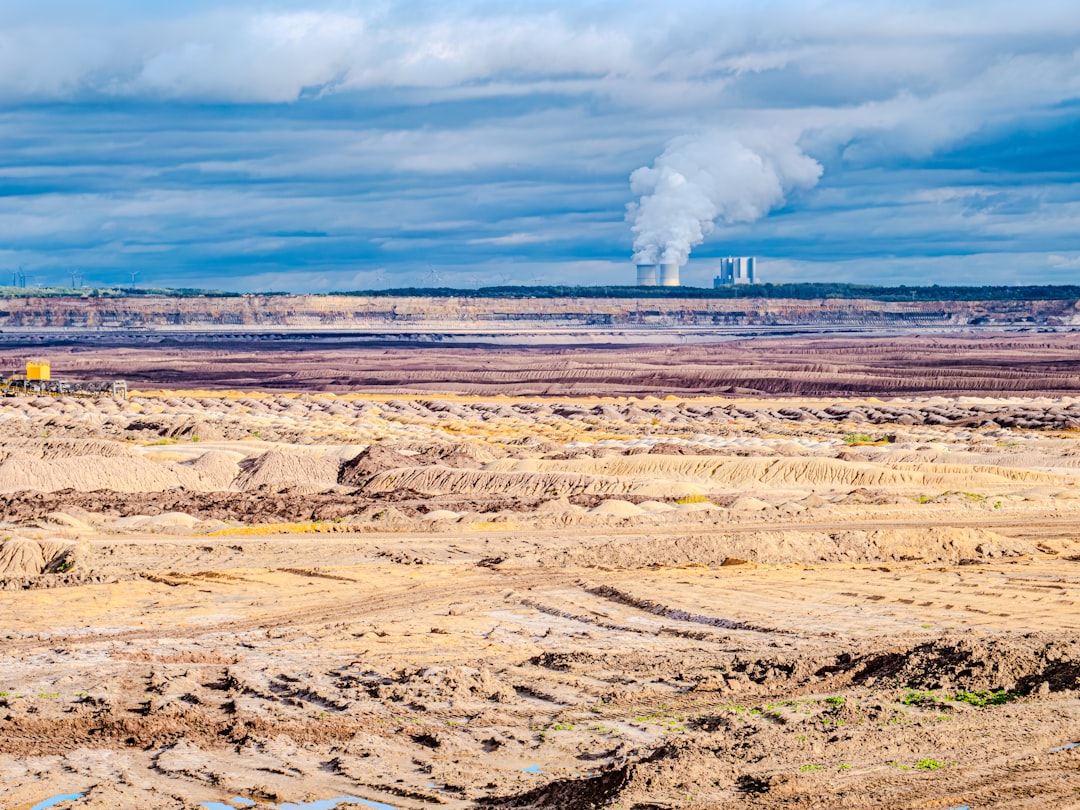
Electric vehicles promise a greener future, but concerns around mining practices, CO2 emissions, and recycling paint a more complex picture.
Electric vehicles (EVs) have surged in popularity, heralded as the vanguard of a carbon-neutral future. With 20 to 22 million EVs produced globally in 2025, the market showcases rapid adoption among consumers seeking eco-friendly alternatives to traditional combustion vehicles. Yet, behind the glossy marketing campaigns and political push for electrification lies a tangled web of environmental and ethical concerns that demand closer scrutiny.
EV Production Dominated by China
China is leading the pack in the EV industry, responsible for an impressive 70% of global EV production. However, this comes alongside the country's significant contribution to global CO2 emissions—over 30% of the worldwide total. While EVs are touted as a cleaner alternative to traditional vehicles, the sheer scale of production introduces questions about the carbon footprint associated with manufacturing processes, particularly in heavily industrialized nations like China.
Lithium Mining: An Environmental Trade-Off
At the heart of every EV battery lies lithium, a crucial mineral whose extraction carries its own environmental toll. In Chile, for instance, lithium mining emits 1.3 million tons of CO2 annually. This figure underscores a critical paradox: while EVs produce zero emissions on the road, the upstream costs of manufacturing them—including the extraction and transportation of resources—are significant.
Regulatory frameworks play an essential role in defining the ecological impact of such industries. For example, British Columbia (BC) in Canada has implemented robust preventative measures designed to mitigate environmental damage from resource extraction. With a global reputation for high safety standards and effective regulation, BC offers a roadmap for more sustainable lithium mining practices. Yet, even this province faces challenges, including occasional misrepresentation of its efforts within the media.
On the opposite end of the spectrum, regions like Montana provide a cautionary tale. Poor regulatory oversight has left toxic tailing pools—massive byproducts of mining—posing severe threats to surrounding wildlife and ecosystems. Without interventions, the repercussions could be catastrophic.
Ethical and Social Concerns in Resource Extraction
Beyond environmental factors, the sourcing of EV materials raises troubling ethical questions. In the Democratic Republic of Congo (DRC), cobalt—a key component of lithium-ion batteries—is often mined under harrowing conditions. Reports of child labor and unsafe working environments remain prevalent, casting a long ethical shadow over the supply chain. Workers in the DRC frequently operate with whatever tools they can find, often in conditions far below international labor standards.
Indonesia, meanwhile, highlights another troubling dimension. Some farming communities have had their land forcibly seized for mining operations, devastating livelihoods and creating cycles of poverty. In certain cases, the response has been resistance: armed residents standing guard to defend their crops. The fallout extends beyond land disputes; mining activities have poisoned marine ecosystems, crippling local fishing industries and erasing a primary source of income for coastal communities.
The Recycling Conundrum
While EV technology provides a pathway to reduced dependence on fossil fuels, an emerging challenge is the lifecycle management of these vehicles—particularly the recycling of used batteries. Recycling precious minerals like lithium, nickel, and cobalt is currently expensive. High costs have led to fears that in the absence of more affordable recycling solutions, thousands of used EVs could end up abandoned. Their batteries, filled with toxic chemicals, may sit untouched in landfills, contributing to environmental degradation even as the vehicles themselves age out of use.
The economic viability of recycling processes is a major obstacle to a truly circular battery economy. Without significant investment in improving recycling technologies or finding new methods of reclaiming battery materials, the burgeoning EV market risks leaving an unintended environmental disaster in its wake.
High Hopes but Holistic Solutions Needed
The EV industry remains central to global strategies for combating climate change, but its rapid growth highlights the need for a comprehensive understanding of the trade-offs that accompany this transition. While individual countries and companies have made strides toward sustainable practices, the inconsistencies across the global landscape underline the importance of rigorous international standards.
To mitigate the ecological and social impacts of EV production, a multi-pronged approach is required. Governments, labor organizations, and environmental agencies need to enforce stricter regulations on mining, increase funding for cleaner manufacturing practices, and incentivize advancements in battery recycling technologies. For consumers, staying informed about the lifecycle impact of EVs can guide more conscientious purchasing decisions.
The road to a truly sustainable form of transport is not without bumps, but acknowledging the full scope of environmental, ethical, and economic challenges is the first step toward meaningful progress.
Staff Writer
Mike covers electric vehicles, autonomous driving, and the automotive industry.
Comments
Loading comments…


