Electric Cars Face Steep Depreciation and Market Challenges
Electric vehicles are depreciating faster than traditional cars, retaining only 49% of their value after two years, compared to 70% for gasoline and diesel models.
Electric Vehicles Lose Half Their Value in Two Years
Electric vehicles (EVs) are depreciating more rapidly than their gasoline and diesel counterparts, retaining only 49% of their value after two years, compared to 70% for traditional cars. This sharp decline in value follows aggressive discounting by manufacturers, with EV makers slashing prices to meet strict government quotas for net zero carbon emissions. For a vehicle originally priced at £40,000, this would equate to a resale value of just £19,600 two years later, a notable drop from retention rates of 83% seen in 2022, according to Cox Automotive.
The rapid depreciation reflects a combination of factors, including fierce price competition within the industry and an expanding variety of more affordable new models. These dynamics have undercut the resale value of nearly new EVs, disrupting public and private buyers alike.
Why EV Depreciation Is Accelerating
Manufacturer Discounts
One of the key drivers of depreciation is the price war among manufacturers. In an effort to hit stringent government targets—where failure can result in fines of up to £12,000–£13,000 per unmet quota—car companies have slashed the prices of new EVs. While cost cutting makes new models more accessible, it reduces the perceived value of used EVs.
Limited Consumer Interest
Another issue is weak demand. Despite lofty production goals, private buyers remain hesitant to purchase EVs outright. Last year, only 1 in 10 EVs sold went to private buyers, with the majority being leased or sold via salary sacrifice schemes. This trend protects consumers from bearing the financial burden of EV depreciation but signals a lack of widespread confidence in this vehicle category.
Uncertainty Over Battery Longevity
Amongst buyers' concerns is the uncertainty around EV battery health, particularly in used models. Most batteries in 2- to 5-year-old vehicles still have significant life left, but this isn’t always guaranteed. Until mandatory battery health reports become standard in the used EV market, buyer skepticism is likely to persist.
The Impact on Car Manufacturing
The ramifications of falling EV demand extend beyond individual buyers; they are also affecting the broader auto industry. UK car production has hit its lowest level in over 70 years—with fewer than 60,000 vehicles manufactured last month—reflecting shrinking output as the sector transitions from traditional fuel cars to EVs.
Declining Manufacturing Jobs
In tandem with production cuts, major automakers like Volvo have announced large-scale job losses. Volvo alone plans to lay off 3,000 employees, approximately 15% of its office workforce, as part of a cost-cutting initiative spurred by high production expenses and weak EV sales. Similarly, companies such as Ford, Honda, and Stellantis (makers of Citroën, Peugeot, and Vauxhall) have also shuttered manufacturing plants in the UK.
Shifting Priorities
Manufacturers like Honda are rethinking their EV strategies entirely. The Japanese automaker recently reduced its EV spending by £15 billion, signaling a shift toward hybrid vehicles. With plug-in hybrid models offering a convenient solution for buyers without at-home charging capabilities, hybrid cars may emerge as the preferred choice for consumers.
The Infrastructure Factor: Challenges for EV Charging
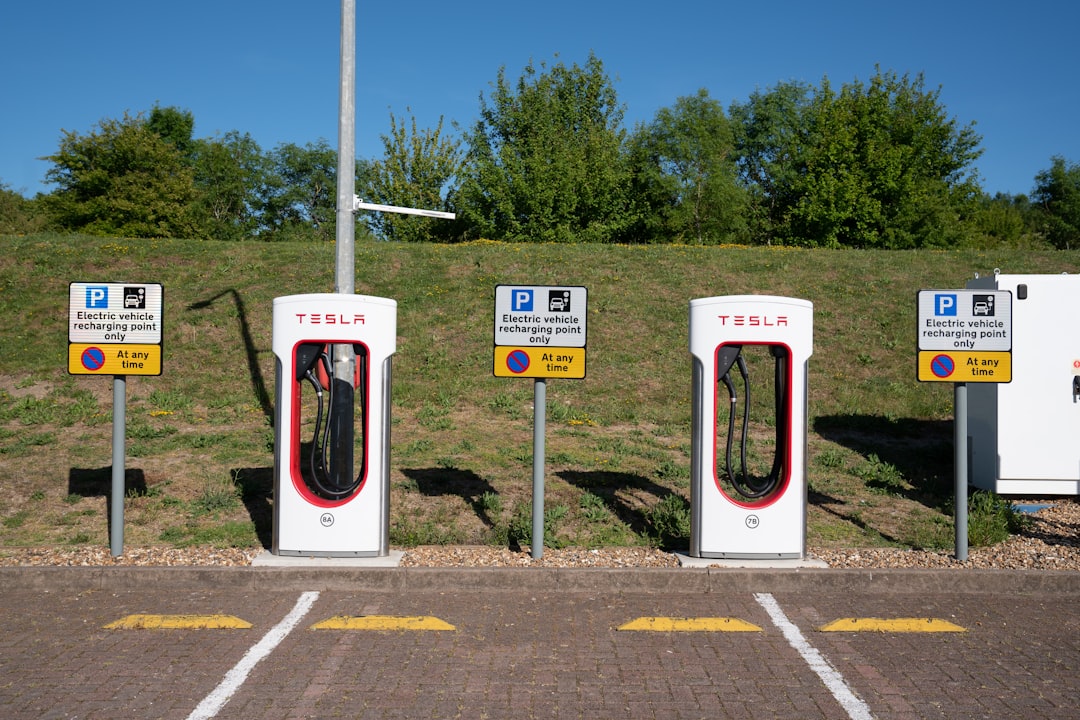
The UK government is aiming to accelerate EV adoption with initiatives like removing the need for local planning permission for EV chargers. This change, which applies to both private and public chargers, is expected to cut delays and costs associated with expanding the charging network. However, concerns linger over the security of EV charging infrastructure, as theft of charger cables has been on the rise. Incidents include not just thefts from public stations but also from private homes, prompting authorities to issue recommendations like locking charge cables to a car’s wheels or using protective cable covers.
The Decline of Manual Cars: A Cultural Shift
The rise of EVs and automatic transmissions is also contributing to the slow disappearance of manual cars. In the UK, a traditional stronghold for manual gearboxes, fewer models now feature a stick shift, and demand continues to decrease. Young drivers are increasingly opting for automatic licenses, reflecting a generational shift away from manual transmissions. While some automotive enthusiasts may continue to seek out manual cars, the future likely belongs to automatics.
Practical Takeaways for Consumers
- Resale Value Concerns: Prospective EV buyers should be aware of the steep depreciation rates. Leasing might be a safer financial option than buying outright.
- Battery Health Verification: Demand is growing for standardized battery health certifications in the used car market. Look for sellers offering documentation.
- Hybrids as a Stopgap: Plug-in hybrids remain a viable alternative, offering lower fuel costs without the infrastructure reliance of full EVs.
- Secure Charging at Home: If installing an EV charger, consider enhanced security measures, such as protective casing or built-in locks, to deter theft.
Conclusion
Electric vehicles are facing significant market challenges, from rapid depreciation to sluggish consumer interest and rising concerns over charging infrastructure. Despite government mandates and manufacturers' efforts to increase EV adoption, consumer hesitation persists, affecting not only EV sales but also the broader automotive manufacturing industry. With hybrid models regaining attention and manufacturers like Honda scaling back their EV commitments, the road ahead for electric vehicles appears turbulent. For now, buyers and manufacturers alike are navigating unsteady terrain, balancing the push for sustainability with practical concerns about cost and convenience.
Staff Writer
Mike covers electric vehicles, autonomous driving, and the automotive industry.
Comments
Loading comments…


