Why General Motors is temporarily laying off 1,300 workers in Metro Detroit
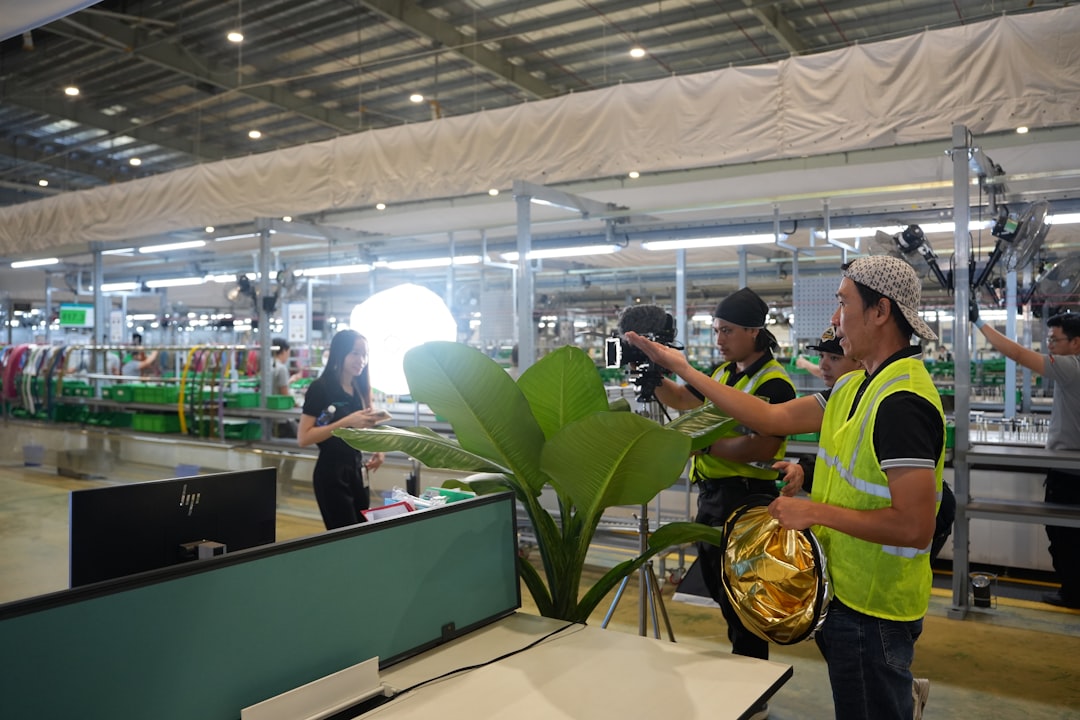
General Motors is laying off 1,300 workers as EV demand slows, even as gas prices climb. What this means for the automotive industry.
General Motors has announced that it is temporarily laying off approximately 1,300 workers at its Factory Zero plant in Metro Detroit. This marks the second round of layoffs at the facility this year, as the automaker adjusts production in response to declining demand for electric vehicles (EVs). This 30-day adjustment period highlights the challenges facing the EV market, even as gas prices rise and consumer sentiment toward EVs shows signs of softening.
The Decline in EV Demand
The automotive industry has seen a marked decrease in demand for EVs over the past 12 to 24 months, a trend that industry experts had reportedly predicted. According to Paul Eisenstein, an automotive analyst, this decline can be partially attributed to the phasing out of federal tax credits previously available to EV buyers, which reduced the financial incentive to make the switch from traditional gas-powered vehicles. As buyers hesitated, manufacturers like GM have had to recalibrate their production schedules, leading to job losses and other disruptions.
For GM, the slowdown has directly impacted operations at its Factory Zero plant, an advanced manufacturing hub dedicated to EV production. The plant first announced EV-related layoffs in January of this year, when 1,200 workers were let go. This second wave, involving 1,300 workers, underscores the ongoing volatility in the shift toward electrification.
A Shifting Consumer Perspective
While EV demand is lower than anticipated, rising gas prices may be pushing some drivers to reconsider their stance. According to local interviews, some consumers who had previously been uninterested in EVs are now warming up to the idea due to the high cost of gasoline. For example, Ken Stilwell, a potential car buyer, expressed openness to purchasing an EV if infrastructure, such as charging stations, became more accessible and convenient. Another consumer, Marvin Thomas, views EVs as an inevitable replacement for gas-powered vehicles, especially if fuel prices continue to rise.
However, this shift in perspective has not yet translated into a sharp rebound in demand, leaving automakers at a crossroads. The hesitancy among consumers to fully commit to EVs highlights broader issues, such as insufficient charging infrastructure, higher vehicle costs, and lingering concerns about battery life and range.
Industry Predictions and the Road Ahead
Eisenstein and other experts have been warning of challenges ahead for the EV industry, including potential layoffs and production adjustments. They anticipated that automakers would struggle to maintain momentum as the initial wave of EV enthusiasm slowed. The current situation at GM’s Factory Zero plant appears to validate these forecasts.
The U.S. automotive industry is navigating a complex set of variables, including tightening regulatory requirements for emissions, growing competition among EV startups and established brands, and fluctuating consumer priorities. Federal tax credits and subsidies, which were instrumental in the initial adoption of EVs, have either been scaled back or removed, contributing to the slump in sales.
Despite these challenges, some industry insiders maintain optimism about the long-term viability of EVs. They argue that improvements in battery technology, expanded charging networks, and the return of supportive policies could reignite interest among consumers. Yet, the question remains whether automakers, particularly legacy companies like GM, can weather the current uncertainty long enough to benefit from a possible future rebound.
Implications for Workers and the Metro Detroit Community
The layoffs at Factory Zero are a stark reminder of the challenges faced by workers in the evolving automotive sector. While these job cuts are described as temporary, the uncertainty surrounding the duration and scope of reduced operations could have ripple effects on Metro Detroit’s economy, which has long depended on the automotive industry for employment and economic stability.
As the industry continues to grapple with fluctuating demand, workers at plants like Factory Zero may find themselves caught in the middle of broader market dynamics. This points to the importance of transitioning toward a more flexible automotive workforce capable of adapting to both traditional and EV-focused manufacturing.
Broader Industry Context
General Motors is not alone in its struggles with EV production. Automakers across the globe are contending with a precarious market that is still finding its footing. Tesla, for example, remains the dominant player in the EV space but is experiencing increasing competition as more companies attempt to enter the market. Meanwhile, new entrants face significant challenges related to production scale, supply chain issues, and consumer trust.
The current downturn in EV demand may also impact government efforts to accelerate the transition to cleaner energy. Federal and state-level goals for reducing emissions often rely on strong EV adoption rates, which are now at risk of falling short. If economic barriers persist, the road to reaching ambitious climate targets could become far bumpier.
What Comes Next
With demand for EVs currently below expectations, automakers like GM are being forced to react quickly to the realities of the market. For now, the company appears committed to adjusting operations temporarily while monitoring changing conditions. Rising gas prices, continued advances in EV technology, and growing public awareness of environmental issues may eventually combine to reignite interest in electric vehicles.
In the meantime, the automotive industry finds itself in a transitional period marked by high stakes and significant uncertainty. For Detroit, a city synonymous with the car industry, the outcomes of this shift will have profound implications for workers, consumers, and the broader economic landscape.
Staff Writer
Mike covers electric vehicles, autonomous driving, and the automotive industry.
Comments
Loading comments…


