Elon Musk calls out US power grid failures on Earth Day 2026
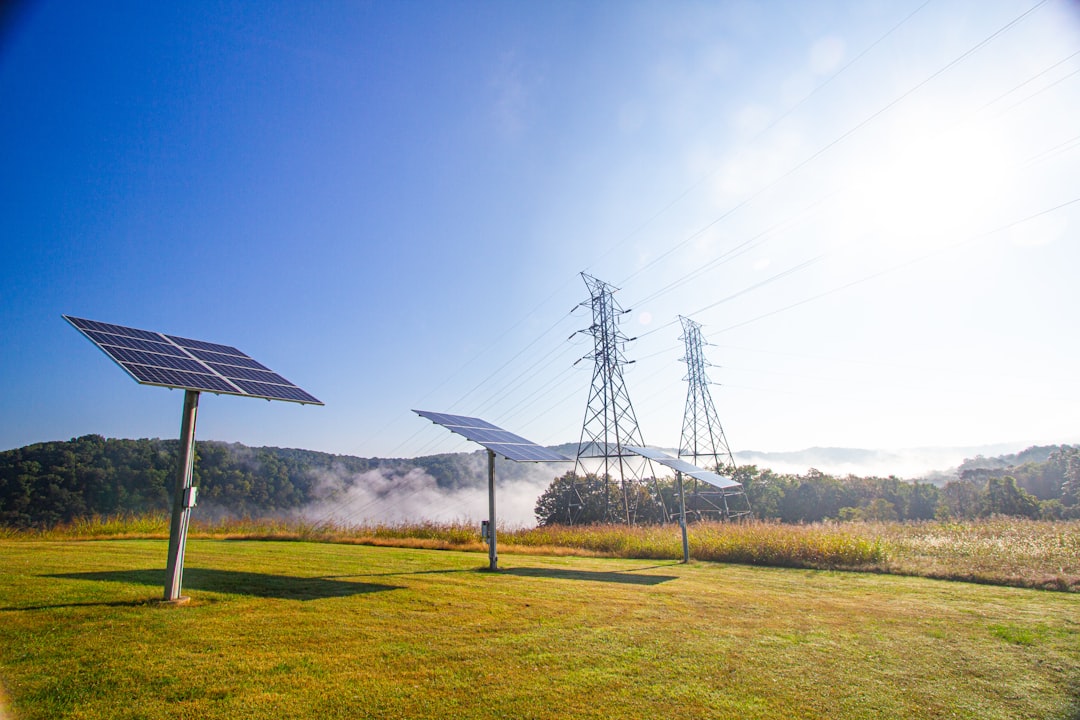
Elon Musk warns the US power grid is unprepared for renewable energy demands, questioning the sustainability of an electric future.
On Earth Day 2026, Tesla CEO Elon Musk delivered a stark warning about the future of renewable energy in the United States. Bucking the trend of celebratory messaging typical for the holiday, Musk chose the occasion to highlight what he views as a critical failure in the nation’s energy infrastructure. “Forget electric cars,” Musk declared. “Without immediate action on the US power grid, your EVs are just expensive toys.”
Musk’s remarks have raised concerns far beyond the tech world, garnering attention from policymakers and environmental advocates alike. At the core of his argument is a claim that the existing US power grid is incapable of supporting the dramatic shift toward renewable energy and electric vehicles (EVs). “We are building a future on a broken foundation,” Musk stated, and he urged for a comprehensive overhaul to avoid long-term stability issues.
The strained US power grid
Musk’s criticism is not entirely baseless. The US power grid, a sprawling system of regional and interregional networks, has long been criticized as outdated and underfunded. Many components of the grid, including transformers and power lines, are decades old and were never designed for the complex demands of a modern renewable energy system.
As more Americans adopt EVs and governments push for renewable energy integration, the grid faces increased pressure. EV charging stations, solar panels, and wind farms contribute episodic and uneven loads, requiring a level of flexibility that many parts of the current infrastructure lack. Frequent blackouts in California and Texas have already exposed some of these vulnerabilities.
Musk’s warning aligns with studies that suggest the US grid will need significant expansion and upgrades to support the Biden administration’s renewable energy goals. According to a 2021 report from Princeton University, the US must double or possibly triple its electricity production by 2050 to meet zero-emission targets.
What’s Musk proposing?
While Musk didn’t offer a detailed technical roadmap during his Earth Day comments, he indicated the need for investment in three key areas: grid reliability, energy storage solutions, and smart grid technology. Tesla’s own products, such as the Powerwall and Megapack energy storage systems, are designed to bridge some of these gaps by storing power during low-demand periods and releasing it when demand spikes. However, even these innovations are insufficient to solve the systemic issues on their own.
Musk also hinted at alternative priorities for Tesla if the US fails to act. “We can’t pretend these problems don’t exist,” he said, alluding to Tesla’s ongoing work in space exploration and colonization, specifically through SpaceX. Such comments, while provocative, underscore Musk’s ongoing vision for humanity as a multi-planetary species in the face of Earth’s systemic challenges.
Is this a new Cold War in renewable energy?
Musk’s warning wasn’t just about the US grid. He raised a more provocative question: what if other nations, particularly China, outpace the US in renewable energy deployment? China has been aggressively building renewable energy capacity, from large-scale solar farms to infrastructure for EV adoption. The country’s centralized planning and state-owned utilities have allowed for large-scale upgrades, leaving the US at risk of falling behind.
If Musk's prediction holds, this could signal a geopolitical realignment wherein energy independence and technological prowess determine global power structures. For the US, failing to modernize its grid could mean losing the race to lead the renewable energy economy.
Pushing back or sounding the alarm?
Critics often accuse Musk of overdramatizing issues, and his Earth Day warning was no exception. Some industry experts have argued that the challenges facing the US grid are already well understood and addressed incrementally through government programs and private sector innovation. Federal funding for grid updates has been increasing under initiatives like the Infrastructure Investment and Jobs Act, which earmarked $73 billion for clean energy upgrades.
However, Musk’s comments serve to spotlight the urgency of these upgrades at a time when the stakes are rapidly increasing. With EV adoption accelerating and climate deadlines pressing closer, delays in addressing grid weaknesses could lead to cascading failures that dampen the viability of renewable energy.
What it means for Tesla and the public
Musk’s comments carry implications for both Tesla and everyday consumers. Tesla’s success depends on a reliable energy infrastructure: without it, the widespread adoption of its EVs and energy storage systems becomes a harder sell. Musk’s warning acts as both a wake-up call and a justification for Tesla’s ventures into energy products, more than just cars.
For consumers, Musk’s message highlights a less glamorous side of the green energy transition. While EVs and solar panels promise lower emissions and cost savings, their true potential cannot be realized without systemic improvements. A fragmented or underpowered grid would introduce frustration into what should be a seamless transition to sustainable living.
What’s next?
Whether or not Musk’s Earth Day remarks will push policymakers to act remains to be seen. The complexities of grid modernization require coordination between federal agencies, state governments, utility companies, and private firms like Tesla. While Musk’s critique is hardly the first of its kind, his role as a thought leader in the tech and energy sectors ensures that it won’t be ignored.
For now, the US finds itself at a crossroads. With the promise of renewable energy on one hand and the demands of outdated infrastructure on the other, the path forward requires urgency, investment, and innovation. If Musk is right, failure to act could mean more than just expensive EVs—it could signal a missed opportunity for sustainable leadership on the global stage.
Staff Writer
Mike covers electric vehicles, autonomous driving, and the automotive industry.
Comments
Loading comments…


