Everything You Need to Know About Electric Cars
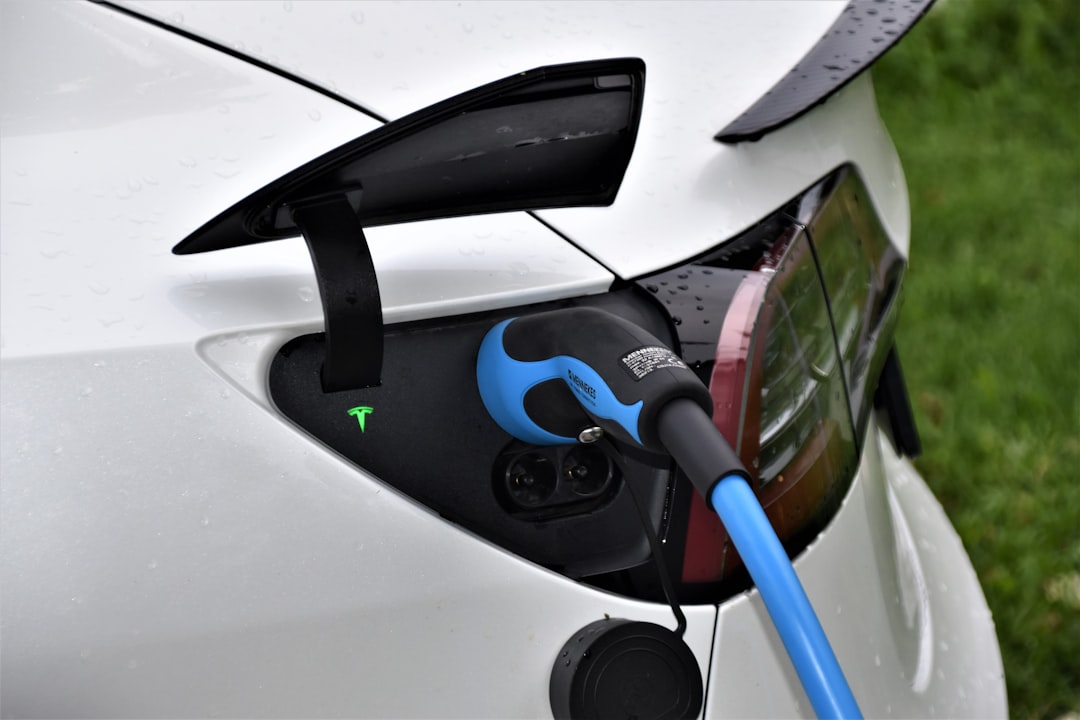
Electric cars explained: from how they work to charging options, range, and costs, here's a comprehensive guide to EVs for newcomers.
Electric cars (EVs) have become a key part of today's automotive landscape, yet there’s a lot of confusion surrounding them. If you’ve ever had questions about how they work, the difference between charging methods, or even EV battery lifespan, this article is your go-to guide.
What is an Electric Car?
An electric vehicle or EV operates using electricity stored in a large traction battery, unlike traditional internal combustion engine (ICE) vehicles that rely on gasoline or diesel. EVs employ electric motors, which are powered by this large battery, to drive the car. This results in no emissions while the car is on the road, making them a more environmentally friendly option.
EVs should not be confused with hybrids that use a combination of gasoline and electricity. Pure electric cars rely solely on their battery, which is typically mounted under the floor for an ideal weight balance and low center of gravity.
How Do Electric Car Batteries Work?
The battery in an EV is measured in kilowatt-hours (kWh), indicating its capacity. For example, a typical EV battery might range from 50 kWh to 100 kWh. The capacity directly impacts the vehicle's range, dictating how far it can travel on a full charge. Here's a breakdown of battery sizes and the average performance:
| Battery Size (kWh) | Average Range (miles) |
|---|---|
| 50 kWh | ~200–250 |
| 75 kWh | ~300–350 |
| 100 kWh | ~400+ |
Most EVs also have a smaller 12V battery, similar to the one in traditional cars, which is used for powering the car’s electrical systems but not for propulsion.
Charging an Electric Car: The Basics
Charging your electric car can feel different from filling up at a gas station, but the process itself is straightforward. Charging speed, however, depends on the type of charger and the vehicle’s battery design.
Types of Chargers
-
Home Charging
- The slowest option is a three-pin plug, offering around 3.6 kW. Charging a 50 kWh battery could take up to 14 hours.
- Faster alternatives include dedicated wallboxes, which deliver 7 kW of power and can charge a 50 kWh battery in about 7 hours—perfect for overnight charging.
- Homes equipped with three-phase electricity can allow for 11 kW or even 22 kW wallboxes, reducing charging time considerably. However, three-phase setups are rare in residential areas.
-
Public Rapid Charging
- Public rapid chargers provide between 50 and 350 kW and are much faster. For example, a 100 kW rapid charger can take a car from 20% to 80% in roughly 26 minutes.
- These chargers use direct current (DC), unlike home chargers that generally use alternating current (AC).
- Popular charging connectors include CCS (Combined Charging System), which supports both AC and DC charging.
Charging Costs
Charging at home generally costs less than public charging, especially with EV-specific night-time tariffs. For instance, if a nighttime tariff charges 7 pence per kWh, fully charging a 50 kWh battery would cost just £3.50. Public chargers can be far more expensive, with rates as high as 85 pence per kWh.
Understanding EV Range and Efficiency
The range of an electric car depends on its battery size, driving habits, and external factors like weather. Here are key insights into range:
- Some newer EVs, such as the Tesla Model 3 (390 miles) and Mercedes EQS (450 miles), offer ranges comparable to or exceeding traditional cars.
- Driving uphill, carrying heavy loads, or towing can significantly reduce range.
- Cold weather also impacts range. For example, a car with a summer range of 250 miles might drop to 220 miles in winter.
Many EV manufacturers use the 'miles per kWh' metric to describe efficiency, similar to 'miles per gallon' for ICE cars. Multiply this efficiency by the battery capacity to estimate real-world range.
Longevity of Electric Car Batteries
EV batteries are built to last. Unlike phone batteries that degrade after just a couple of years, EV batteries have safeguards like buffer zones and thermal management systems to improve their lifespan.
- On average, a typical EV might complete only 52 full battery cycles in a year given the shorter distances people often travel daily.
- Even after the battery loses some capacity, it might still retain up to 70% of its original charge—enough for substantial driving use.
- When a battery is no longer fit for a car, it can be repurposed for renewable energy storage or recycled.
Environmental Impact of Electric Cars
EVs produce no tailpipe emissions, making them greener than ICE vehicles once they’re operational. Manufacturing EVs does create emissions, but recent studies show that lifetime emissions for EVs are still significantly lower.
- For example, a study by Volvo found that after 124,000 miles, an electric XC40 produces 60% fewer CO2 emissions than its petrol counterpart.
- Used EV batteries can also have second lives—Nissan is using them for backup energy storage systems in places like football arenas.
Practical Takeaways for EV Owners
- Plan to Charge Overnight: Most EV owners charge their vehicles while sleeping, where speed matters less.
- Know Your Range: Understand your car's range under different conditions and plan trips with charging in mind.
- Explore Smart Tariffs: Look for electricity plans tailored for EVs to minimize your charging costs.
- Leverage Rapid Chargers When Traveling: Use DC public chargers for quick top-ups during long-distance travel.
- Consider the Resale Impact: EV batteries last longer than you expect and still retain value when recycled or repurposed.
Final Thoughts
Electric cars are transforming how we think about transportation. With lower running costs, zero tailpipe emissions, and increasingly long ranges, EVs offer compelling reasons to switch. Understanding how they work, how to charge them efficiently, and how their environmental impact compares to ICE cars gives potential buyers the confidence to make informed decisions.
Comments
Loading comments…


