First Look at the Tesla Cybercab: Interior, Space, and Features
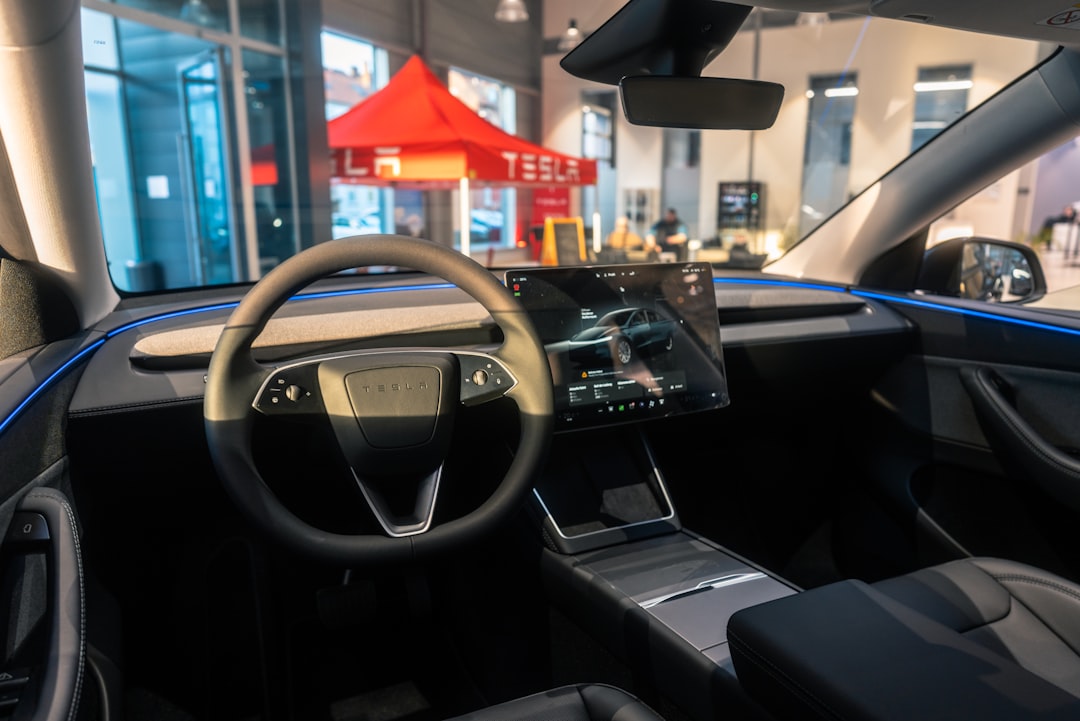
A detailed look at the Tesla Cybercab, highlighting cabin space, interior quality, trunk design, and advanced tech.
Tesla’s Cybercab, a fully autonomous robo-taxi, is drawing attention as it nears production. Set to launch in April, the Cybercab represents Tesla’s latest effort to dominate the autonomous vehicle (AV) market. AutoSpec Reviews recently provided an early look at the Cybercab, examining its design, cabin space, interior quality, and unique features. Here’s everything you need to know.
Spacious Interior Aimed at Comfort
Exceptional Legroom
The Cybercab’s interior design emphasizes passenger comfort, especially in terms of legroom. Reviewers noted that even passengers as tall as 6'4" should have no issues with space. Sitting in the Cybercab, a 6'1" viewer revealed that their feet couldn’t touch the bulkhead, showcasing just how much room this vehicle provides. The Cybercab is clearly tailored for maximum passenger comfort during transit.
Adequate Headroom
Though the legroom was described as "stellar," the headroom, while sufficient, wasn’t as impressive. Passengers around 5'11" reported having at least two inches of clearance. However, individuals significantly taller than average, such as professional basketball players, may still feel cramped.
Simplistic Door Mechanisms
The door mechanisms in the Cybercab drew mixed reactions. While the powered doors were interesting, passengers found the ingress and egress slightly challenging. A particular issue noted was the likelihood of bumping one’s head on the glass unless the door was fully open. Once inside, the lack of door pockets meant there were no cubbies for small items, which seems to be an intentional design decision to reduce clutter.
Material Quality and Design
Seats and Padding
The seat material in the Cybercab drew criticism. Reviewers claimed that it felt cheaper compared to Tesla’s usual "vegan leather" used in other models. This was particularly disappointing considering the padded underlayer felt comfortable. Upgrading the material could significantly enhance the cabin experience.
Minimalistic Features and Layout
The interior features a clean, minimalistic design. Two USB-C ports and window switches are positioned at the front center console. Interestingly, this marks a change from Tesla’s previous approach of locating these in the cupholder area. A large central screen dominates the dashboard, providing access to all necessary functions—although software was not yet fully integrated during the demo.
Headliner and Unique Elements
One highlight in the Cybercab’s design is the "fabric-like" headliner, praised for its upscale feel. There’s also an emergency button with Braille markings, adding a thoughtful accessibility touch.
Autonomous Capability and Ride Quality
Full Self-Driving (FSD) Technology
As expected, the Cybercab leverages Tesla’s Full Self-Driving (FSD) suite, powered by a nine-camera system. Reviewers expressed confidence in its ability, citing smooth navigation experiences in other FSD-equipped Tesla vehicles. This makes the Cybercab a highly reliable and capable ride.
Suspension Comfort
The Cybercab excels in ride comfort due to its soft, cushioned suspension. This setup minimizes the impact of potholes and bumps, ensuring a smooth ride. According to testers, the suspension’s "squishiness" perfectly suits its role as a robo-taxi, prioritizing passenger comfort over performance.
Trunk Space and Charging Accessibility
Trunk Design
The Cybercab’s trunk space is notable for its depth and usability. While the opening is narrow, the overall capacity allows for significant storage, making it suitable for shared rides with luggage.
Charging Port Location
A unique rear charging port adds convenience, enabling easy connection to Tesla's expansive charging network. However, wireless charging was not present in the demo model.
| Key Features | Details |
|---|---|
| Cabin legroom | Extreme, comfortable for tall users |
| Seat material | Currently feels cheap, needs upgrade |
| FSD technology | Fully autonomous, 9-camera system |
| Suspension | Soft and cushioned for comfort |
| Trunk size | Narrow but deep storage |
| Charging location | Rear-mounted, unique placement |
First Impressions vs. Rivals
Reviewers noted the Cybercab’s strengths in cabin comfort and interior spaciousness compared to rivals like the Zoox. The suspension quality and Tesla’s proven FSD also give it an edge in the AV market. However, concerns regarding interior material quality and challenging access through the doors need addressing before launch.
Practical Takeaways
- Legroom and Comfort: Taller passengers will appreciate the generous legroom, making it ideal for long rides.
- Tech-Driven Experience: FSD integration ensures safe and precise navigation.
- Improvements Needed: Tesla should consider upgrading the seat materials and refining the door mechanisms for smoother ingress and egress.
- Efficient Design: The Cybercab balances advanced technology with practical and durable engineering, keeping mass production in mind.
Conclusion
The Tesla Cybercab is an ambitious addition to the autonomous vehicle market. While it offers ample space, innovative tech, and a smooth ride, there are some clear areas for improvement. With production set to begin soon, addressing the noted concerns could ensure a strong reception among early adopters once it hits the roads.
Staff Writer
Mike covers electric vehicles, autonomous driving, and the automotive industry.
Comments
Loading comments…


