Volkswagen’s EV Goals: Can 22 Million Still Be Achieved?
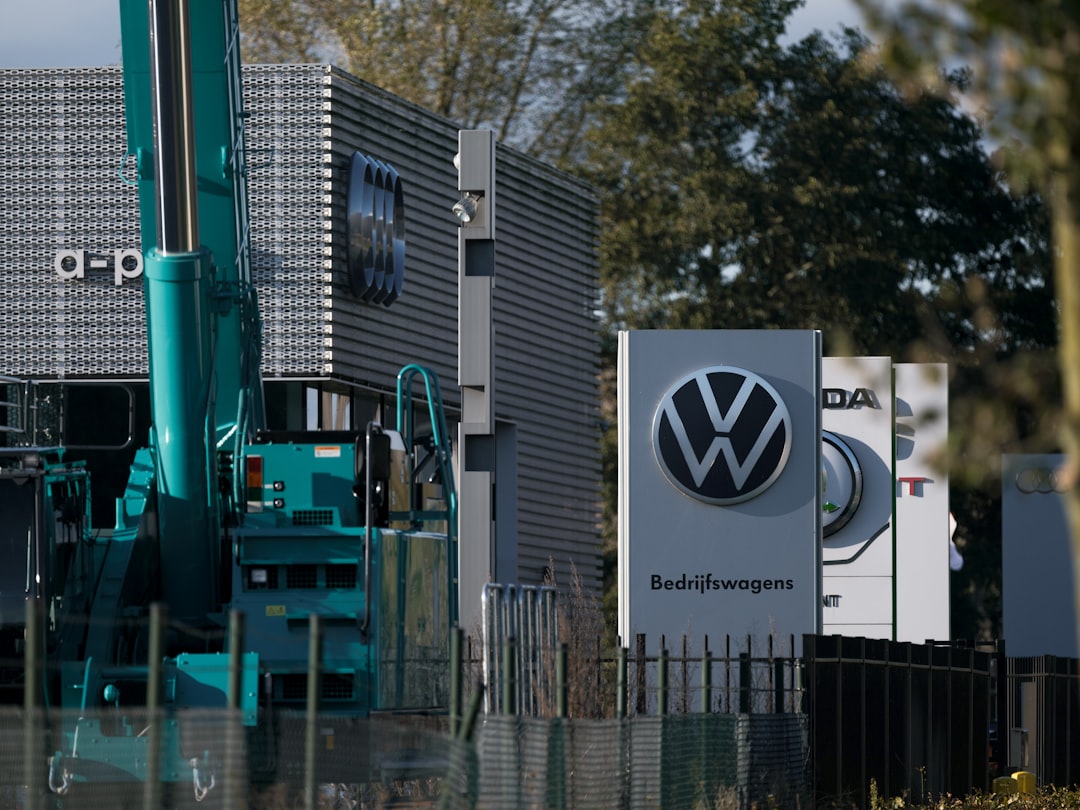
Volkswagen aimed for 22 million EVs by 2029, but six years in, the goal seems out of reach. What went wrong, and can the company course-correct?
Volkswagen Group announced in December 2019 an ambitious goal: to produce 22 million electric vehicles (EVs) by 2029. The announcement positioned Volkswagen as a leading force in the global shift toward electric mobility. Now, six years into this commitment, the numbers tell a different story. While the company has made progress, the target feels increasingly ambitious—and perhaps unattainable—given their current trajectory.
The Numbers So Far
To date, Volkswagen Group has delivered a total of 4 million electric vehicles worldwide. Breaking this figure down, the first million took almost a decade to achieve, while the latest million was delivered in just one year. This acceleration is worth noting, but even with this pace, the gap between the current milestone and the 22 million goal is vast. With three years left until 2029, Volkswagen still needs to deliver 18 million EVs—a staggering task given their current output.
For context, Volkswagen’s EV portfolio includes models like the ID series and earlier entries such as the e-Golf and e-Up. Recently, the company’s focus has shifted toward newer models like the ID.3 Neo and the upcoming ID Polo. However, some models, like the ID Golf, are still under development and don’t seem poised to make a significant impact in the immediate future. Observers may question if the roadmap for these products is aligned with the urgency required to meet the lofty goal.
Why the Goal Feels Slippery
The challenge of achieving 22 million EVs highlights several structural issues in the automotive sector as well as within Volkswagen’s own operations. First, the global EV market is not growing uniformly. In certain regions, such as the United States, EV adoption has slowed compared to the peak enthusiasm a few years ago. This can largely be attributed to lingering supply chain problems, uneven charging infrastructure, and resistance in markets where combustion engines still dominate.
Volkswagen sits at the intersection of these obstacles. While the ID series has garnered attention, it competes with offerings from Tesla, Hyundai, and Chinese brands like BYD, which are growing their own market share in key territories. Price sensitivity is another challenge, as Volkswagen EVs—although not as premium-priced as Tesla’s models—have yet to gain footing as budget-friendly alternatives.
Fast Growth is Needed, but is it Realistic?
To achieve its target, Volkswagen effectively needs to quadruple its EV production rate starting immediately and maintain that momentum for the next three years. Accomplishing this would require addressing several bottlenecks:
- Battery Production: The availability and affordability of EV batteries remain pivotal. Volkswagen has invested heavily in partnerships and planning for new battery factories, but the time lag between announcements and on-the-ground production capabilities poses a significant challenge.
- Market Expansion: Although Europe and China show considerable appetite for electric mobility, Volkswagen will need to win over more consumers in the United States and developing markets. However, competition and infrastructure gaps remain hurdles.
- Model Rollouts: Volkswagen’s lineup needs to be robust. Upcoming releases like the ID Polo are promising but delayed, and the transition of the ID.3 to the ID.3 Neo might not be the splash it once appeared to be.
The Backdrop of Industry Shifts
Volkswagen’s attempt to hit 22 million cars isn't taking place in a vacuum. The global automotive sector itself is undergoing tectonic shifts, some of which may alter the trajectory of EV adoption. For instance, regulatory environments are shifting. The European Union has softened its push for outright electrification by allowing room for plug-in hybrid electric vehicles (PHEVs) and e-fuels—an approach that undercuts the urgency for automakers to embrace fully electric models. Meanwhile, brands such as Honda are pivoting away from certain EV projects altogether.
Adding to the complexity, competitors are taking bold steps. BMW recently announced plans to deliver 40 new products between now and 2027, many featuring the company’s updated Neue Klasse technology for EVs. Such moves intensify the competition and highlight the pressure on Volkswagen to meet not just production targets but market relevance targets as well.
Could Success Still Be Achieved?
Despite all the concerning signs, hope isn’t entirely lost for Volkswagen. The group has proven capabilities as one of the largest automakers in the world and commands extensive manufacturing and R&D infrastructure. A potential silver lining could come from an unexpected technological or market breakthrough—such as reduced battery costs or soaring demand in underdeveloped EV markets.
The question remains whether there is sufficient time to mount such a reversal. Volkswagen’s statement that “we are only getting started” reflects optimism, but pacing speaks louder than rhetoric. At the current rate, reaching their target will require Herculean efforts, especially in light of increasing competition and logistical constraints.
What Lies Ahead
The next few years will either affirm Volkswagen’s electric ambitions or force a recalibration of their strategy. If the goal of 22 million EVs by 2029 does indeed prove elusive, Volkswagen may increasingly shift toward a hybrid strategy embracing other technologies such as PHEVs to bolster their numbers. It’s also possible the company will double down on smaller markets like Southeast Asia to deliver on volume, though that too may be a risky gambit.
Beyond Volkswagen’s own aspirations, the outcome of this story will have ripple effects across the EV industry. For governments and consumers banking on ambitious global electrification, Volkswagen’s ability—or inability—to achieve its milestone could be viewed as a bellwether for the broader viability of similar projections made by competitors and policymakers worldwide.
Staff Writer
Mike covers electric vehicles, autonomous driving, and the automotive industry.
Comments
Loading comments…


