Tesla’s EV Sales Miss Expectations Amid Global Market Slump
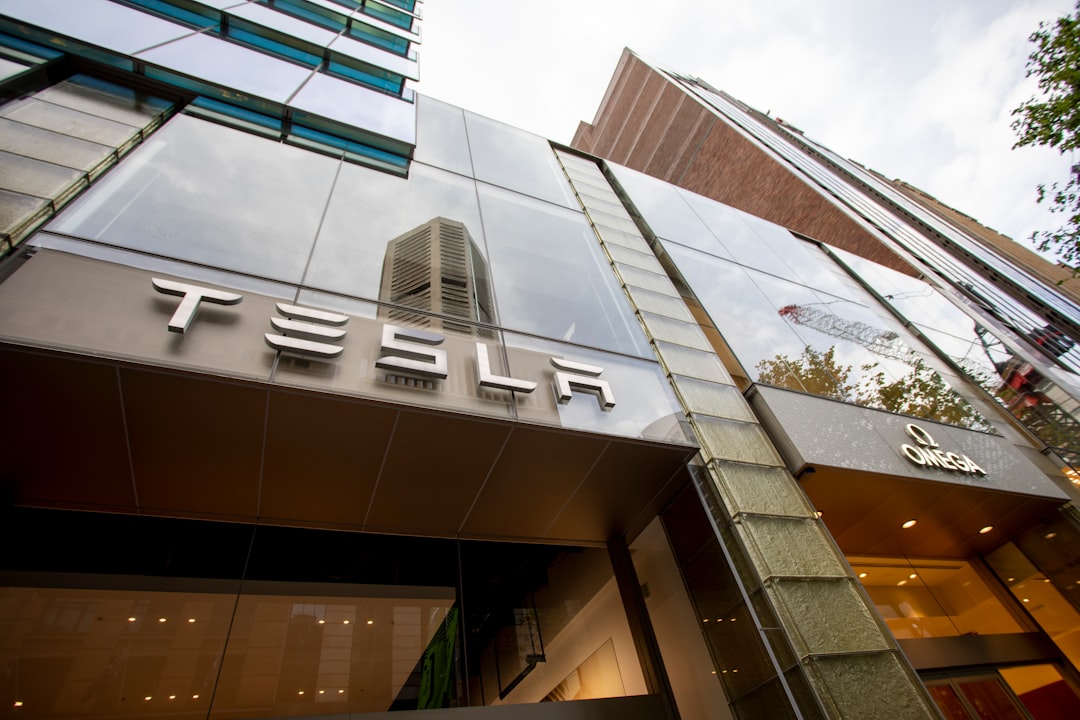
Tesla's EV sales fell short of analyst expectations, reflecting broader challenges in the market alongside a controversial strategic pivot.
Tesla’s electric vehicle (EV) sales have once again fallen short of Wall Street expectations, signaling sustained challenges for the automaker amidst a global slump in EV demand and a transitional strategy that has left some investors uneasy. The company’s sales for the quarter were up compared to last year, but the increase doesn’t tell the full story. When measured against prior years, Tesla’s trajectory has been trending downward, with 2025 numbers significantly lagging behind those from 2023 and 2024.
Why Are Tesla’s Sales Declining?
The reasons for the sales slump are multi-faceted, according to industry insiders. While last year’s figures were marred by a backlash against Elon Musk’s controversial public behavior and political associations, Tesla’s current challenges seem more systemic. The global EV market, while growing steadily in past years, is now showing signs of cooling. Stricter financial conditions and the withdrawal of government incentives in key markets are both playing a role.
In China, the world’s largest EV market, the government has scaled back subsidies that once supercharged domestic sales. Even BYD, a leading Chinese EV brand, has begun to feel the crunch in recent months. Meanwhile, in the U.S., the Trump administration rolled back some earlier initiatives to encourage EV purchases, further challenging Tesla and other automakers in this space.
Yet Tesla’s woes extend beyond global market conditions. The company’s decision to phase out its luxury Model S and Model X vehicles has left a gap in its portfolio that competitors have been eager to exploit. While Tesla is betting heavily on its next-generation products, including its controversial focus on self-driving technology and robotics, this pivot remains a long-term gamble without guaranteed returns.
Challenges of Tesla’s New Strategic Direction
Elon Musk has repeatedly defended Tesla’s unique approach to autonomous vehicle technology, which relies on data from its own fleet rather than some of the sensor-heavy systems employed by competitors. However, the challenge of achieving fully autonomous driving has proven more formidable than Tesla initially projected. Success in this area would require not only technological breakthroughs but also public and regulatory trust, both of which are currently in flux.
In tandem, Tesla’s bid to become a leader in robotics is not without risks. While the company’s humanoid robot concepts have captured headlines, concrete timelines for product readiness and profitability remain unclear. For a company whose valuation has long been tied to visionary promises, any delay or failure risks further souring investor sentiment.
Broader EV Market Trends
Tesla’s sales downturn also coincides with a broader cooling of the global EV market. While elevated oil prices have provided a modest bump in interest among some consumers seeking alternatives to costly gas vehicles, this hasn’t yet translated into a significant surge in EV purchases. Instead, economic challenges, tight financial conditions, and reduced government support are collectively dampening growth.
The EV slowdown is notable, particularly in light of mounting trade tensions that threaten to reshape the automotive industry. In North America, for instance, Canada has begun courting Chinese automakers to establish production plants, as traditional partnerships with U.S.-based automakers face headwinds.
Canada’s Turn Toward Chinese EV Makers
Stellantis, the multinational automotive group with strong European roots and a significant U.S. presence, is reportedly exploring collaborations with Chinese EV producers to establish manufacturing facilities in Canada. Such a move could bolster Canada’s auto industry, which heavily relies on U.S. automakers like Ford and General Motors as well as Japanese players like Toyota and Honda.
The underlying dynamics driving Canada toward China are complex. Trade tensions between the U.S. and Canada, coupled with uncertainties surrounding the United States-Mexico-Canada Agreement (USMCA), have created an environment in which Canadian policymakers are exploring alternative industrial partnerships. Should these tensions ease, Chinese-built vehicles produced in Canada could potentially reach U.S. markets. For now, the interest represents a strategic play by Chinese EV makers seeking a foothold in the Western Hemisphere.
The Road Ahead for Tesla
Tesla’s ability to navigate these challenges will hinge on how effectively it can execute its strategic pivot while restoring investor confidence. The company remains a prominent player in the EV market, but its shrinking market share and stalled growth leave it exposed to a rising field of competitors. For investors, the central question remains: Can Tesla’s bold bets on autonomy and robotics translate into sustainable growth in an increasingly crowded and uncertain automotive market?
For the broader EV industry, these challenges underscore the delicate interplay between market forces, governmental policy, and technological evolution. Tesla may be a bellwether for the sector, but its struggles also reflect wider trends that other automakers will need to address as they chart their paths forward.
Staff Writer
Mike covers electric vehicles, autonomous driving, and the automotive industry.
Comments
Loading comments…


