Gas vs Electric Cars: How Fuel Costs Compare
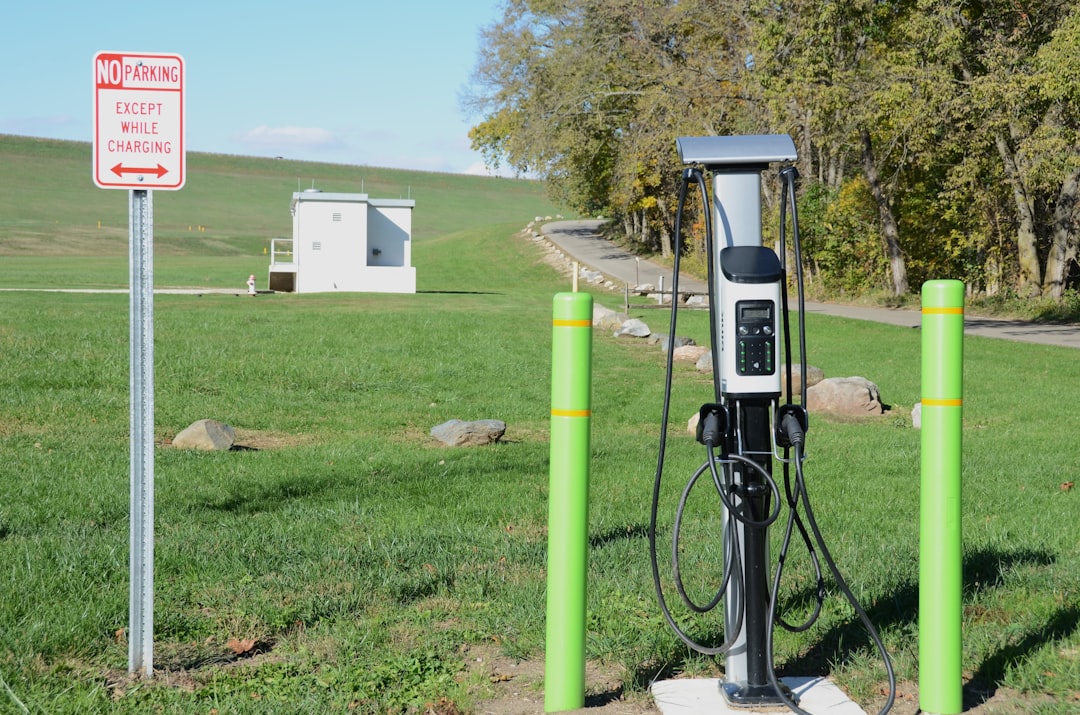
Comparing the cost of driving gas and electric vehicles, electric cars emerge as the more affordable option despite their winter efficiency challenges.
Rising gas prices have reignited interest in electric vehicles (EVs), not just for their environmental appeal but for their potential to save money on fuel. Let’s break down how much it actually costs to power a gas car and an electric car, what the numbers look like in practice, and how those savings can add up.
The Numbers Behind the Comparison
On average, gas vehicles achieve a fuel efficiency of about 24 miles per gallon (MPG). Electric vehicles, measured differently, average around 3 miles per kilowatt-hour (kWh). Using recent pricing data from Spokane County as an example, the cost per unit is the following:
- Gasoline: $4.90 per gallon.
- Electricity: 13 cents per kilowatt-hour (kWh).
At these rates, it takes 1 gallon of gas (costing $4.90) to drive 24 miles in a gas car. To cover the same distance in an electric car, 8 kWh of electricity is required, translating to just $1.04. This means that each mile driven costs about 20.4 cents for a gas car but only around 4.3 cents for an electric car—a striking difference.
Real-World Electric Vehicle Costs
To put these numbers into context, consider an EV owner’s experience during the particularly harsh winter of January. While the average EV gets 3 miles per kWh in ideal conditions, colder weather can notably reduce efficiency. In this case, the EV was managing less than 2 miles per kWh. Despite this lower-than-average efficiency, the owner reported driving over 900 miles that month for a total electricity cost of $61.
What this illustrates is that even in challenging conditions, EVs can be dramatically more cost-effective than gas-powered vehicles. At the $4.90 per gallon gas price, driving 900 miles in a traditional vehicle (24 MPG) would cost about $183.75 in fuel—three times more than the EV cost.
Why Electric Cars Are More Affordable
The cost disparity comes down to the efficiency of electric motors versus internal combustion engines. Electric motors convert energy more effectively: nearly all the energy from the battery powers the car. Gasoline engines, on the other hand, lose significant energy as heat because of their lower efficiency.
Additionally, electricity prices tend to be more stable and often lower than volatile gas prices, especially with recent geopolitical events influencing the latter. Over time, these operational savings can make the higher upfront costs of EVs worth it, especially for high-mileage drivers.
Weather Impacts and Limitations
One limitation to consider is efficiency variation with weather. Cold temperatures affect EV batteries, reducing their range and efficiency. The real-world scenario from January highlights this drawback, with the EV dropping from an average efficiency of 3 miles per kWh to under 2 miles per kWh. While the cost savings remain significant, potential EV buyers should be aware of such seasonal fluctuations, particularly in regions with harsh winters.
The Bigger Picture
At its core, the fuel savings of an electric car compared to a gas-powered vehicle are difficult to ignore. For every 24 miles traveled, EV drivers spend about $1.04, while gas car owners spend $4.90—nearly five times as much. Over thousands of miles annually, this difference translates to significant savings.
As more drivers explore EV options, understanding the cost dynamics can guide better-informed decisions. The evolving technology of electric cars continues to improve battery efficiency, range, and even cold-weather performance. Moreover, increased renewable energy usage can lower electricity costs and environmental impacts further, enhancing the overall appeal of EVs.
Final Thoughts
When comparing operating costs, electric cars have a clear advantage over their gasoline counterparts, even when accounting for reduced efficiency in colder months. While upfront costs and charging infrastructure remain factors to address, the long-term financial benefits of EVs, combined with their environmental advantages, make them increasingly compelling in today’s economy. With gas prices showing no signs of substantial decline, now might be the time to make the switch to electric.
Staff Writer
Nina writes about new car models, EV infrastructure, and transportation policy.
Comments
Loading comments…


