High gas prices in Kentucky renew interest in electric vehicles
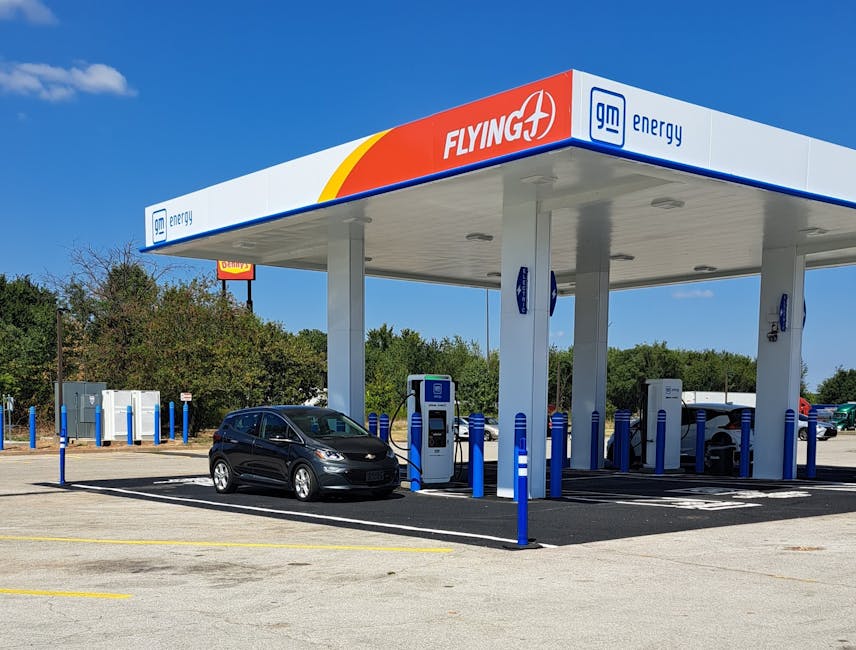
As gas prices surge past $4 per gallon in Kentucky, many drivers are re-evaluating the benefits of switching to electric vehicles (EVs).
Gas prices in the United States are reaching new highs, putting financial pressure on drivers across the nation. In Kentucky, the statewide average for gas has climbed to around $4 per gallon, aligning with the nationwide trend. The surge comes amid ongoing geopolitical instability and inflation, which are driving up crude oil prices. According to the U.S. Department of Labor, the most recent inflation data revealed the steepest monthly increase in gas prices in over six decades.
The escalating fuel costs are prompting many to reconsider their reliance on traditional internal combustion engine (ICE) vehicles. Kentucky resident Mike Proctor, who has been driving electric vehicles (EVs) since 2012, believes the current situation highlights the financial and environmental advantages of going electric. “As pump prices keep climbing, it pays off to own an electric vehicle. We don’t have to constantly buy gasoline,” he explained. EVs offer a means to sidestep the volatility of global oil markets and the economic effects of conflicts, such as the ongoing tensions involving Iran.
A Financial and Environmental Alternative
For drivers like Proctor, EVs represent more than just a way to save money—they also contribute to environmental sustainability. Electric vehicles run on electricity, which can be sourced domestically with fewer geopolitical strings attached compared to oil. “Think about it—who’s ever fought a war over electricity?” Proctor noted, pointing out the broader benefits of transitioning away from fossil fuels.
While electric charging isn’t free for everyone, Kentucky currently boasts an estimated 165 charging station locations, and approximately 90% of these offer free charging according to EV advocacy group, Evolve KY. Drivers can further save costs by installing home charging units. Proctor recommended a simple nightly routine of plugging in the car, much like charging a smartphone. “In the morning, [the car’s] ready to go, and we’re off to see the new day,” he said. This convenience, paired with lower overall operating costs, offers electric vehicle owners peace of mind during turbulent times for fuel prices.
Understanding the Economics of EV Ownership
EVs typically come with higher upfront costs than many gasoline-powered cars, but the long-term savings on fuel and maintenance can outweigh the initial financial burden. In the context of rising gas prices, these savings become even more pronounced. According to data from AAA, recent trends in crude oil prices signal little immediate relief for those reliant on gasoline, even after a temporary ceasefire in hostilities between the U.S. and Iran was announced. EVs eliminate dependency on unpredictable oil markets, creating a buffer for household budgets.
Still, one of the common concerns regarding EV adoption is access to charging stations. Advocacy groups such as Evolve KY are pushing for expanded infrastructure to address these concerns. While public charging stations in Kentucky are increasing, Proctor noted that home chargers simplify daily EV use. Home charging eliminates the need to rely solely on public infrastructure, enabling drivers to maintain control over their energy needs.
Gas Prices Force a Shift in Thinking
The question many Kentuckians seem to be asking is whether now is the time to switch to EVs. Proctor suggests the answer may vary by individual, but the timing couldn’t be better for those already considering the move. “If you’ve been thinking about [an EV] before, now might be a good time to put your thinking cap back on,” he advised. With gasoline prices at historic highs and economic uncertainty regarding energy costs, EVs offer a stable alternative.
Policy and the Road Ahead
The situation also raises questions about the role of government policy in supporting EV adoption. While the White House insists that the American economy remains steady despite volatile energy markets, local and federal initiatives could accelerate the shift to electric. Policies such as tax credits for EV purchases and increased funding for public charging stations would be critical in making EVs a more accessible and attractive option for the average driver.
At the same time, expanding electric vehicle adoption does require tackling logistical issues, such as ensuring that grid infrastructure can sustain higher electricity demands. However, the environmental impact of EVs is still a compelling argument for prioritizing their growth. By reducing reliance on fossil fuels, EVs contribute to tackling the pressing challenge of climate change, while also insulating drivers from economic shocks linked to oil dependency.
What It Means for Kentucky Drivers
With about 165 public EV charging locations already in the state and advocacy groups aiming to expand accessibility, Kentucky is starting to embrace the EV transition. Nevertheless, drivers need to consider personal factors like commuting habits, budget, and home charging capabilities before making the switch. Proctor’s decade-long experience as an EV owner exemplifies how early adoption can lead to significant savings and reduced financial stress during fuel price surges.
The surge in gas prices has revived the conversation about energy alternatives, and EVs stand out as a viable option for many Kentucky drivers. Whether for financial stability, environmental sustainability, or convenience, making the move to electric vehicles could ease the burden on wallets and offer a sense of security during uncertain economic times. For those on the fence, this may be the moment to take another serious look at EV ownership as a long-term solution.
Staff Writer
Mike covers electric vehicles, autonomous driving, and the automotive industry.
Comments
Loading comments…


