Mercedes CLA Electric: A Game-Changer in the Premium EV Segment?
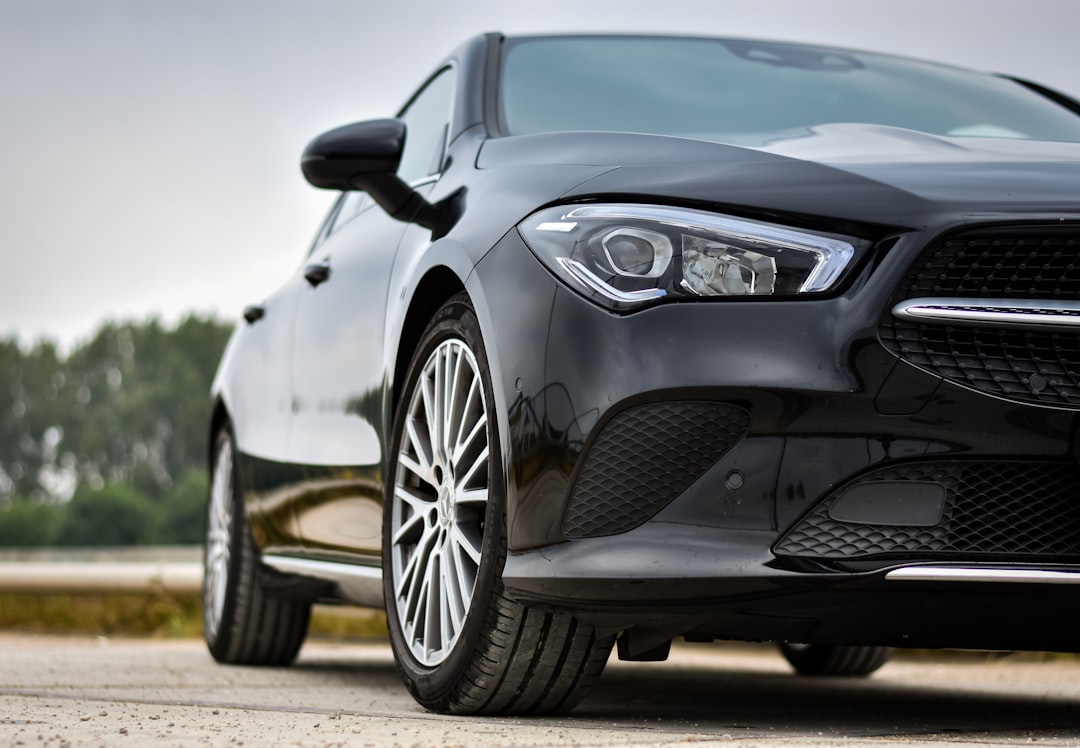
The new Mercedes CLA EV redefines efficiency with an 800-volt system, sleek design, and long range, challenging heavyweights like Tesla.
Mercedes has unveiled its latest electric vehicle (EV), the CLA 250+, placing it firmly in the spotlight as a direct competitor to heavyweights like the Tesla Model 3 and the Hyundai Ioniq 6. With cutting-edge features, impressive efficiency, and thoughtful design, the new CLA is being called a game-changer for the premium electric sedan market. Let’s dive into what puts the CLA 250+ ahead in the increasingly crowded EV landscape.
A New Platform and Advanced Technology
What sets the CLA apart from its predecessors is its new platform. Designed to support multiple powertrains, including electric, hybrid, and internal combustion engines, this versatile platform is making a splash for the EV variant. Mercedes has equipped the CLA electric with an 800-volt architecture. This advanced electrical system delivers several important advantages, including a charging power of up to 320 kW.
Under ideal conditions, this enables the CLA to charge up to 325 kilometers of range in just 10 minutes. That’s a significant improvement over the Tesla Model 3, which can only achieve around 207 kilometers in a similar timeframe. This rapid charging capability will undoubtedly appeal to drivers who prioritize minimizing time spent at charging stations.
Beyond its charging speed, the CLA houses a newly developed battery with 20% higher energy density compared to previous Mercedes models. While this doesn’t directly translate to larger battery capacity, it allows Mercedes to save weight and space, enhancing efficiency. Mercedes claims a notable WLTP range of 715 kilometers, surpassing the Tesla Model 3 under ideal conditions. Real-world winter testing by reviewers suggests the sedan can achieve roughly 500 kilometers in cold weather — an impressive feat for any EV, where range often drops in lower temperatures.
Smooth Performance and a Two-Speed Transmission
Mercedes has also incorporated a two-speed transmission into the CLA’s design. The first gear is optimized for quick acceleration and city driving efficiency, while the second gear provides better energy management at highway speeds, allowing the CLA to top out at 210 km/h. Despite this mechanical complexity, the system operates seamlessly — reviewers noted that the gear changes are imperceptible during regular driving.
The vehicle’s 200 kW (268 horsepower) motor delivers the refined and responsive driving experience one expects from a German premium carmaker. Even in wet conditions with winter tires, the CLA confidently transfers power to the road. This balance between power, control, and situational adaptability makes it an all-weather performer, which is essential for buyers in colder climates.
Software and Infotainment: The Competitive Edge?
In addition to its hardware, the CLA stands out with its sophisticated infotainment system. Mercedes integrates popular technologies like ChatGPT, Microsoft Bing, Google Gemini, and an advanced navigation system based on Google Maps. The natural language voice assistant, activated by saying “Hey Mercedes,” shines as a highlight. During tests, the system reliably executed commands like adjusting vehicle settings, providing weather updates, and even enabling features like windshield defrosting.
The vehicle also includes enhanced charging station mapping, giving drivers real-time updates on charging costs and availability. This level of transparency is valuable, considering inconsistent pricing strategies across public chargers. Mercedes sets an example here that competitors, including Tesla and Hyundai, might want to follow.
However, the sophistication of Mercedes’ infotainment comes with a downside. Some of its digital extras are tied to subscription fees. While the system brings over-the-air updates and new features without requiring a trip to the dealership, questions remain about long-term costs. Once included free trials expire, owners could end up paying for features or updates — if those updates are even made available for older models.
It’s a dilemma that modern car buyers face with increasing regularity, as this model mimics the software licensing strategies seen with smartphones. Mercedes, like many premium manufacturers, has yet to clarify how long systems will remain supported for older vehicles. This could prove frustrating for owners who want long-term reliability without additional expenses.
Design and Practicality: A Mixed Bag
Mercedes has made strides in practicality with the CLA, introducing a long-awaited front trunk (or “frunk”) — something its prior EVs lacked despite being based on fully electric platforms. The frunk provides clean and convenient storage for charging cables, sparing the main cargo area from unnecessary clutter or dirt. While the inclusion seems minor on paper, it’s an overdue addition that enhances everyday usability for drivers.
Though the CLA shines on many fronts, it does have some practical drawbacks. For example, rear passengers may notice that the rear windows don’t roll down fully. While a minor limitation, this feature often impacts the rear-seat experience for families.
Is It Worth the Price?
Pricing for the Mercedes CLA starts at 61,900 Swiss Francs ($68,000 USD approx.). However, a fully equipped model like the test car reviewed tips the scales at over 81,000 Swiss Francs ($89,000 USD approx.). Nearly 20,000 Swiss Francs of this cost stems from extras, such as a 360-degree camera, lane-changing assist, park assist, and heated seats.
Drivers looking for baseline functionality may find the lack of features like Android Auto and Apple CarPlay in the base model disappointing — these functionalities require an additional 348 Swiss Francs. Many competitors offer these basic features as standard equipment. Despite these gripes, the CLA doesn’t compromise its technical capabilities, such as an 800-volt system, which remain available even at entry-level pricing.
The Competitive Landscape
While the Tesla Model 3 has long been considered the benchmark for electric sedans, challengers like the CLA are narrowing the gap. Tesla still wins on affordability; some trims of the Model 3 cost 20,000 Swiss Francs less than the Mercedes. Hyundai's Ioniq 6 offers a similar advantage but can’t quite match the CLA’s range.
BMW’s upcoming electric sedan, built on an 800-volt platform, is also expected to heat up this rivalry. Early clues suggest it may charge even faster than the CLA's already impressive 10-minute recharge time while matching its range. However, BMW’s offering will likely fall in the same price range as the Mercedes, emphasizing the premium nature of these German cars in terms of both cost and quality.
The Verdict
The Mercedes CLA 250+ electric shines as a compelling new option for buyers seeking a high-end, long-range EV. With its 800-volt architecture, next-gen battery system, and luxurious interior, the CLA is a bold response to competitors like Tesla, Hyundai, and BMW. It’s not without challenges — subscription-based digital features, a high starting price, and base-level omissions might deter some buyers. Nonetheless, Mercedes has delivered a vehicle that sets new standards in parts of the EV market.
Whether the CLA is worth the premium boils down to personal priorities. For those who value ultra-fast charging, premium materials, and cutting-edge infotainment, the CLA emerges as a leader. However, much like Tesla disrupted the market years ago, Mercedes now sends a clear message to its rivals: the bar has been raised.
Staff Writer
Mike covers electric vehicles, autonomous driving, and the automotive industry.
Comments
Loading comments…


