Recent Tesla Crashes and Automation Developments Raise Questions
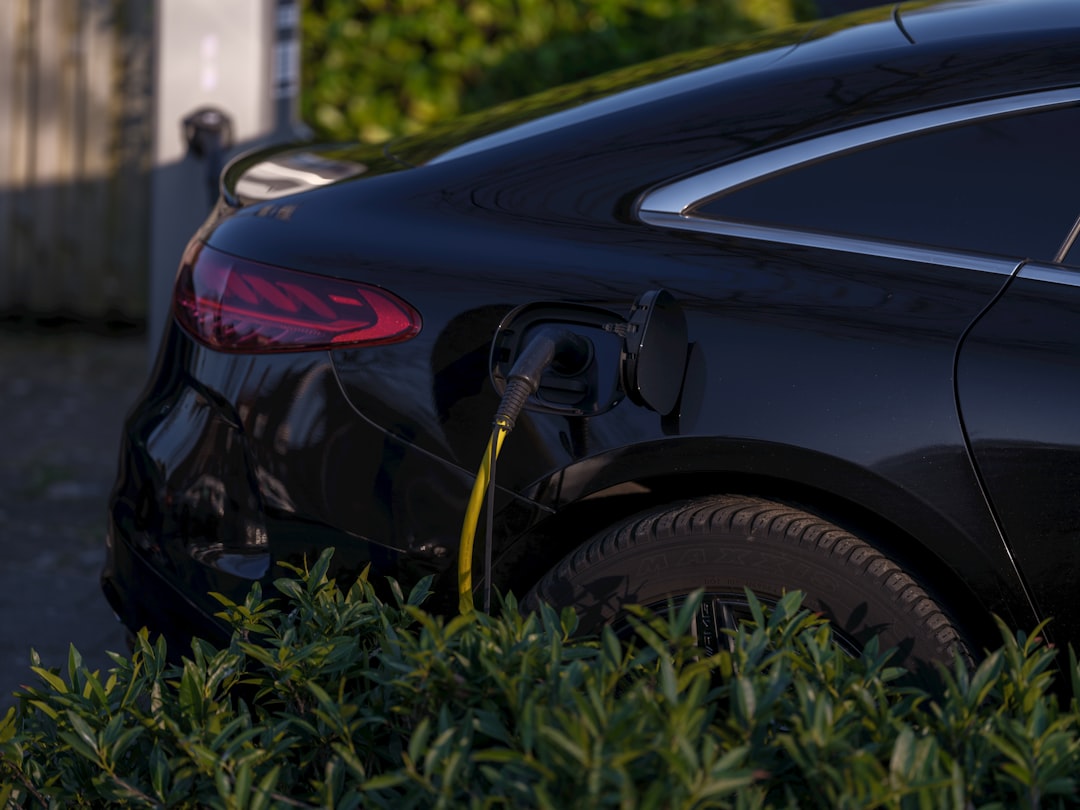
Recent incidents involving Tesla's Full Self-Driving feature and new developments in battery production could shape the company's future.
Tesla faces scrutiny following a serious incident involving its Cybertruck and its Full Self-Driving (FSD) feature. A woman from Houston claims that the vehicle nearly sent her and her infant off a bridge before crashing into a barrier. She is now suing Tesla for $1 million, highlighting the ongoing controversy and discussion surrounding Tesla's automation technology.
Incident Overview
The incident occurred when the Cybertruck, allegedly operating in self-driving mode, malfunctioned, leading to a crash that left the woman injured. Dash cam footage of the accident circulated online, prompting widespread dialogues about the safety and reliability of Tesla's self-driving capabilities. Critics of Tesla have pointed to the video as evidence of the dangers posed by automated driving technology, while supporters argue that the evidence points more towards human error.
Elon Musk chimed in on the situation, stating that data indicated the driver disengaged the autopilot merely four seconds before the crash. Musk's assertion raises pertinent questions about driver attentiveness at critical moments. This incident leads to a broader discussion about the risks and benefits of adopting self-driving technology.
Driver Engagement vs. Automation
The argument surrounding the Houston crash centers on whether Tesla's FSD should bear any blame when the driver engaged manually just before the accident. Critics like Dylan Lumis of Electrified criticize media portrayals of the event, calling out what he describes as misleading reporting.
They suggest that suggesting the vehicle's automation was at fault when the driver admitted to disengaging the system shifts responsibility from where it truly belongs – on the human operator.
Here are critical points to consider:
- Driver disengagement: The telemetry shows an admission that the driver disengaged FSD before the crash.
- Public perception: Media narratives can create distorted images of technical failures rather than human factors at play.
Tesla and Fox News Reporting
The coverage from Fox News, along with other outlets, has been criticized for using language that insinuates FSD was engaged despite the driver's actions. Timing and interpretation of these details can greatly affect public perception of Tesla's technology.
Elon Musk insists that any mishaps attributed to Tesla's automation usually stem from human error rather than a flaw in FSD capabilities. He advocates that FSD technology, in many instances, is designed to improve safety by reacting to situations faster than a human driver could.
Tesla's Future Innovations
Amidst the controversy, Tesla continues to forge ahead. The company recently announced a significant partnership with LG Energy to build a $4.3 billion battery manufacturing facility in Michigan, set to commence operations by 2027. These lithium iron phosphate batteries will support Tesla's energy storage systems and align with future growth in electric vehicle production.
Moreover, Tesla's Mega Pack Version 3 aims to reduce installation times by 23% while slashing construction costs by up to 40%. These developments form a crucial part of Tesla's strategy to bolster its domestic supply chain and reduce reliance on foreign manufacturing.
Regulatory Changes and Autonomous Vehicles
Another highlight from Tesla's recent activity includes proposed changes from the National Highway Traffic Safety Administration (NHTSA). The NHTSA suggests that fully autonomous vehicles need not display traditional gear positions like drive or reverse since they don't have manual controls. This could represent a significant step toward more relaxed regulations on self-driving vehicles, potentially paving the way for wider implementation.
Robo-Taxi Services
Tesla has also been spotted testing its Robo Taxi service in various states, including Dallas and Las Vegas. These Model Y vehicles, equipped with rear camera washers, seem to signal preparations for wider deployment and regulation compliance. Reports indicate that Tesla's robots could begin operating in these areas by early 2026.
Investor Sentiment and Stock Performance
Long-term investors remain optimistic despite short-term fluctuations in Tesla's stock price. The most recent findings by Morgan Stanley suggest that advancements in unsupervised robot taxi rollouts contribute to the overall growth potential for Tesla. Analysts back this with a price target of $415, reinforcing the idea that the path to higher stock value hinges on successful technology deployment.
The stock market's short-term behavior often distracts from Tesla's broader long-term strategy, allowing experienced investors to view current scenarios as opportunities instead of setbacks. Many long-term stakeholders have seen their investments double or triple in value since entering the market.
Conclusion
Challenges persist for Tesla as it navigates the complexities of safety, regulatory changes, and innovation. The most recent incidents raise questions about the reliability of self-driving technology and personal accountability when accidents occur. Yet, with plans for new manufacturing and advancements in autonomous vehicle deployment, Tesla is positioning itself for long-term success. This ongoing evolution underscores the need for continuous improvement and transparency as electric vehicles increasingly replace traditional automobiles.
FAQ
What happened in the Houston Cybertruck crash?
A woman claims her Cybertruck, allegedly in self-driving mode, crashed, resulting in injuries, and she is suing Tesla for $1 million.
What is Tesla's recent investment in battery production?
Tesla has partnered with LG Energy to establish a $4.3 billion battery manufacturing facility in Michigan.
Is Tesla moving forward with more autonomous vehicles?
Yes, testing of Robo-Taxi services is underway in multiple cities, with indications that deployment could occur soon.
What regulatory changes are proposed for autonomous vehicles?
The NHTSA is suggesting regulatory changes to lessen requirements imposed on fully autonomous vehicles, which may enable broader adoption of self-driving technology.
Staff Writer
Mike covers electric vehicles, autonomous driving, and the automotive industry.
Comments
Loading comments…


