Tesla Cybertruck Crash Sparks Debate Over Autopilot Misuse Claims
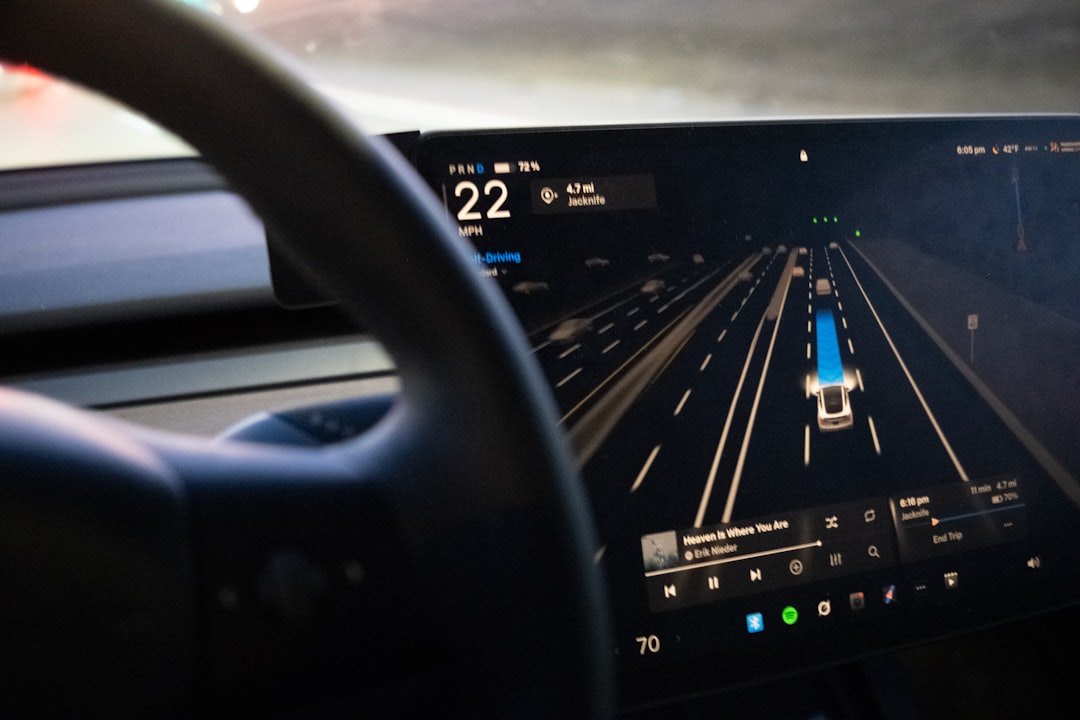
A Cybertruck crash raises questions about Tesla's Autopilot functionality and media coverage of autonomous driving technology.
Tesla's ambitious push into autonomous vehicle technology faced renewed scrutiny after claims surfaced that a Tesla Cybertruck crash was caused by its Autopilot feature. However, the story, which has made waves in both legal circles and the media, has taken several twists, revealing a more complicated truth. Let’s explore what happened, the evidence presented, and the broader implications for autonomous vehicle technology.
What Happened in the Tesla Cybertruck Crash?
The incident involves Justine St. Amore, who was driving a Tesla Cybertruck on August 18, 2022, along Houston’s 69 East Freeway. According to Amore’s attorney, the Autopilot feature was engaged when the vehicle reportedly attempted to drive straight off an overpass. The crash resulted in a $1 million lawsuit against Tesla, although Elon Musk and the company firmly deny Autopilot’s role in the accident.
Tesla’s internal logs, shared by Musk, indicate that the driver disengaged Autopilot four seconds before the crash. Notably, the Cybertruck had not been equipped with the basic Autopilot feature and instead used Tesla’s Full Self-Driving (FSD) system. These details highlight critical discrepancies in Amore's claims.
Media Misrepresentation and Public Perception
Mainstream media outlets quickly ran with the story, framing it as a failure of Tesla’s Autopilot technology. Critics, including Tesla enthusiasts, have accused outlets of misleading coverage. Footage from the crash, alongside comparisons to functional tests of Tesla's FSD, indicates a sharp contrast between human error and the advertised capabilities of Tesla’s automated systems. A Tesla owner replicated the crash scenario with FSD fully engaged and demonstrated that the system successfully navigated the problematic curve without incident.
This incident underscores a recurring issue: media coverage of Tesla accidents often disproportionately emphasizes automation failures, even when human misuse is evident.
A Closer Look at Tesla Autopilot vs. Full Self-Driving
To understand the confusion, here’s a breakdown of the two systems:
| Feature | Autopilot | Full Self-Driving (FSD) |
|---|---|---|
| Availability | Standard on Tesla vehicles | Optional paid upgrade |
| Functionality | Lane-keeping, adaptive cruise | Autonomous highway and city driving |
| Supervision Required | Yes | Yes |
Tesla has repeatedly emphasized that both Autopilot and FSD require driver supervision. Neither feature enables fully autonomous driving, and the company advises users to remain attentive and ready to intervene.
Tesla’s Response and Legal Implications
While Tesla itself has yet to make an official legal statement regarding the crash, Elon Musk countered the claims on social media. Tesla's logs unambiguously show FSD disengagement before the collision, strongly suggesting driver error as the cause. The case highlights the necessity of transparency about driver responsibility when using semi-autonomous features.
Many legal experts predict that the case may not hold up in court due to Tesla's ability to provide precise data on vehicle behavior. This isn't the first time Tesla’s comprehensive vehicle logs have disproved unsupported claims in lawsuits.
Enhanced Safety Features for the Cybertruck
Despite the negative press, Tesla is committed to improving vehicle safety. The automaker recently rolled out a new feature—blind-spot protection during door opening—for the Cybertruck. Leveraging external cameras, the system prevents doors from opening into cyclists or pedestrians. Here’s how it works:
- Cameras detect nearby movement, such as bikes or pedestrians.
- If a hazard is noted, the door’s button lock is temporarily engaged.
- Visual and audible warnings alert the passenger, requiring a second button press to open the door.
This feature is part of Tesla’s ongoing efforts to enhance vehicle safety using over-the-air (OTA) software updates, which are already standard for Tesla’s Model 3 and Model Y.
Challenges in Autonomous Driving Adoption
The Cybertruck crash illustrates the challenges facing autonomous driving adoption, including:
- Driver Misuse: Tesla’s systems require supervision, yet some drivers treat them as fully self-driving tools.
- Media Coverage: Misrepresentation of incidents contributes to public misunderstanding of how Tesla’s automated features work.
- Legal Implications: Cases such as Amore’s illustrate the legal gray areas of liability in semi-autonomous systems.
Practical Takeaways for Tesla and Drivers
For Tesla, this incident emphasizes the need for better public education about its features and limitations. Detailed disclaimers, alongside improved in-car training, could reduce misuse and liability. For drivers, the case reinforces that while Tesla’s driving systems are advanced, they are not substitutes for human vigilance.
Looking Ahead: Updates and Developments
Beyond addressing safety concerns, Tesla continues its foray into EV developments with the updated Tesla Roadster and advancements in Full Self-Driving Beta software. The automaker is also working on expanding RoboTaxi operations and increasing manufacturing capacities through strategic investments.
While the spotlight often falls on high-profile accidents, Tesla’s consistent software updates, safety enhancements, and industry-leading advancements deserve equal attention. Wider adoption of electric and autonomous vehicles will require balanced reporting and a collaborative approach from automakers, regulators, and the public.
For now, Tesla’s ability to refine its technology while staying ahead of the legal and media scrutiny will likely define its long-term success in autonomous driving innovation.
Staff Writer
Nina writes about new car models, EV infrastructure, and transportation policy.
Comments
Loading comments…


