Tesla Driver Caught Asleep on Highway Raises Self-Driving Safety Concerns
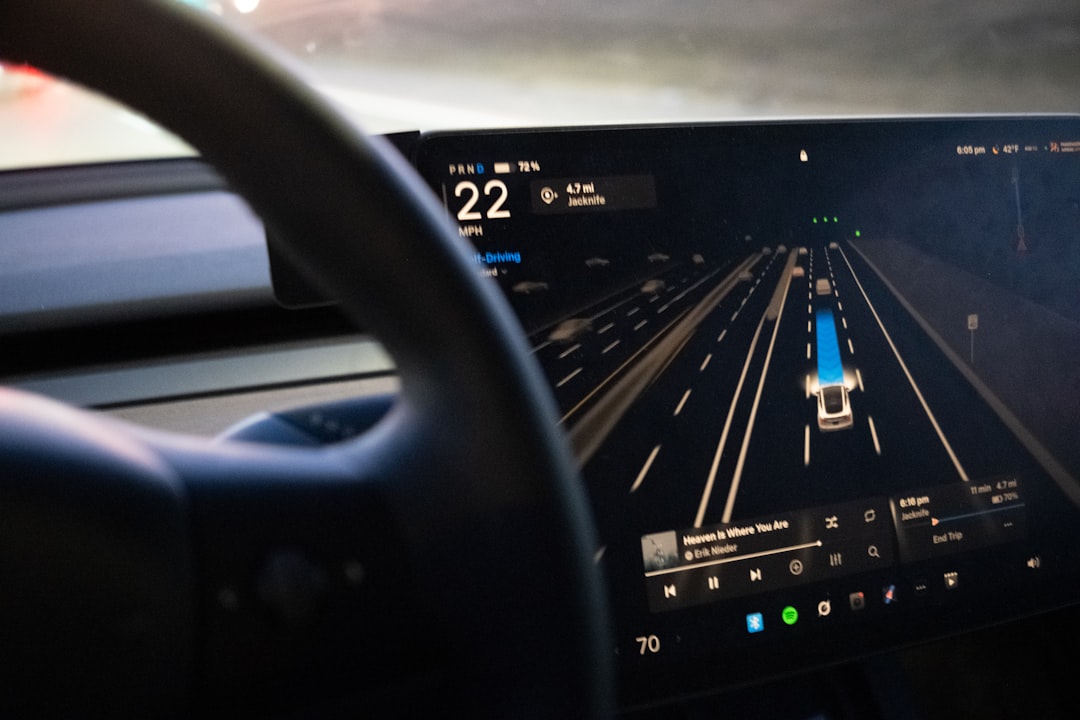
A Tesla driver was caught asleep on a British Columbia highway, reigniting debates about the legality and safety of autonomous vehicle features.
A Tesla driver found asleep at the wheel during rush hour on a busy stretch of Highway 1 in Coquitlam, British Columbia has sparked fresh discussions about the use of self-driving features and their legal implications. The incident took place last Tuesday morning when a highway patrol officer noticed the driver seemingly not paying attention and struggling to respond to the officer's repeated attempts to make contact. The scene, captured in police footage, is yet another example of the challenges surrounding semi-autonomous vehicle technology and its misuse.
Incident Details
According to law enforcement, the officer first noted the driver’s seeming lack of control over the Tesla. When they approached the vehicle to investigate further, their efforts to rouse the driver were met with little response. "It’s our contention that the driver was fully asleep," the officer reported. Despite the driver’s defense that she had merely "zoned out," the evidence, including video footage, suggested otherwise.
The driver, a 37-year-old woman, had apparently activated one of Tesla’s signature self-driving modes. While such technology enables vehicles to provide significant assistance, including lane-centering and adaptive cruise control, the law in British Columbia prohibits reliance on fully autonomous functions. Per the Motor Vehicle Act, features crossing the threshold into full automation – where the driver ceases to engage in the operation of the vehicle entirely – remain illegal.
Legal and Financial Penalties
The woman involved was issued two separate fines: one for $368 for driving without due care and attention, and another $138 fine for speeding. The penalties highlight both the human consequences and regulatory challenges tied to the use of semi-autonomous vehicles on public roads. British Columbia, like most jurisdictions, insists that drivers remain fully alert and able to resume control of their cars immediately, regardless of any self-driving capabilities.
Legal Boundaries of Autonomous Driving in British Columbia
Under current regulations in British Columbia and many other regions, self-driving technologies are still in the experimental phase as far as legality is concerned. While features like lane departure warnings or adaptive functions that assist drivers are permitted, full-scale autonomous driving where operators disengage entirely is banned. RCMP reiterates that drivers must remain actively involved in controlling their vehicles at all times.
The RCMP further noted that misperceptions about self-driving technology are common. The functionality offered by Tesla and similar manufacturers may create an impression of legality and safety that doesn’t align with actual road use regulations. This disconnect underscores an ongoing need for public awareness campaigns emphasizing laws and the limitations of semi-autonomous systems.
Balancing Safety and Innovation
Tesla and other car manufacturers have long positioned autonomous features as part of a safer, technology-driven future. Some argue that by removing human error – the leading cause of road accidents – autonomous cars could eventually reduce road fatalities. However, the case in British Columbia adds to a growing number of incidents illustrating the risks of overreliance on these systems.
Critics argue that until self-driving frameworks are fully tested, regulated, and widely understood, allowing their use on public roads risks not only the safety of the drivers but also those of other road users. Police officers have further expressed concerns about rapidly evolving technology outpacing enforcement capabilities. "The technology is so new, and evolving so quickly, we don’t really understand it yet. That’s why the blanket ban makes sense right now," the patrol officer explained.
Practical Takeaways for Tesla Drivers
For owners of Teslas or similar vehicles with semi-autonomous capabilities, staying informed and abiding by legal requirements is critical. Key reminders include:
- Always stay engaged: Regardless of a car’s capabilities, the driver must remain active in steering and braking.
- Know your local laws: Features legal in one jurisdiction may be banned in another.
- Avoid false assumptions: Access to self-driving features does not equal legality or guaranteed safety.
Law enforcement officials are clear: They will crack down on drivers who are seen disengaged. Using tools such as dash cameras and patrol observation, authorities aim to ensure all drivers take responsibility for their vehicles.
Conclusion
The incident involving the Tesla driver underscores the ongoing complexities regulating self-driving technology. While manufacturers push forward with groundbreaking advancements, regulators, law enforcement, and the public continue grappling with how these innovations fit within existing frameworks. Until these overlaps are resolved, drivers must exercise caution and remain actively engaged, regardless of their vehicle’s capabilities.
As the debate continues, one message from law enforcement remains clear: Autonomous driving tools are meant to assist, not replace, human drivers. Misuse or misunderstanding can result in legal penalties – or worse.
Staff Writer
Mike covers electric vehicles, autonomous driving, and the automotive industry.
Comments
Loading comments…


