Tesla's Record Sales Mask Deepening Financial Troubles
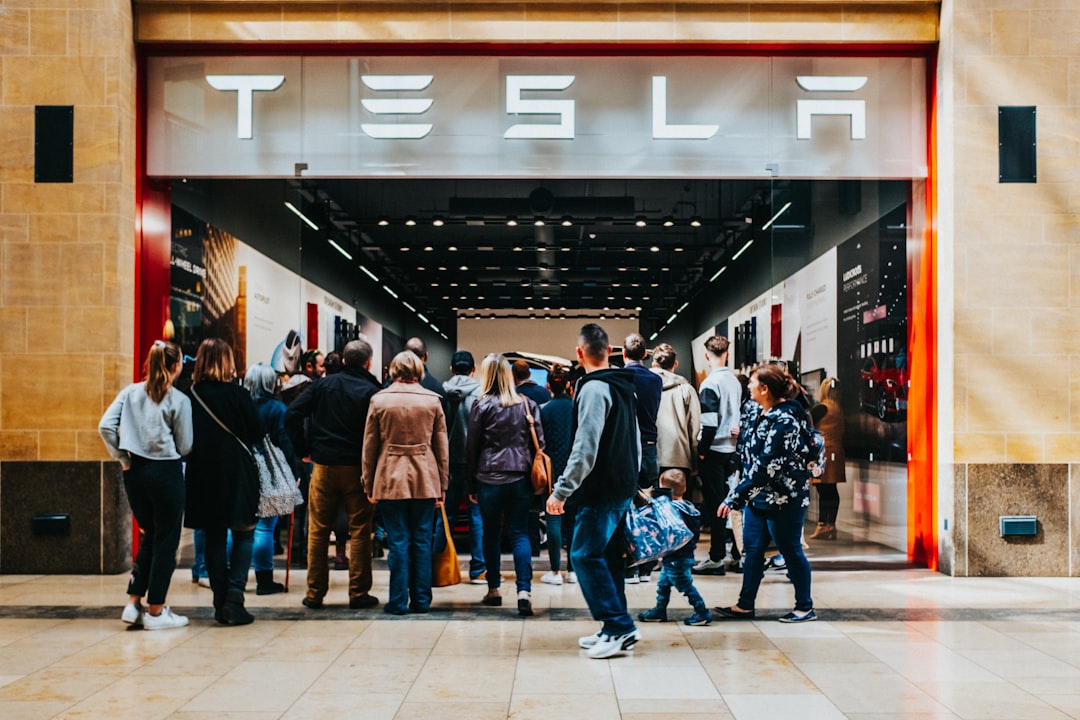
Tesla set sales records this quarter but saw its net income drop 71%, highlighting challenges in profitability and growing competition.
Tesla, a company synonymous with electric vehicles (EVs) and innovation, recently set a new milestone by achieving its highest-ever sales volume in a single quarter. However, this achievement came at a significant cost, as Tesla's net income dropped by an extraordinary 71%. While revenue reached $28 billion, profits still fell by 37%, raising questions about the sustainability of its business model and the impact of its aggressive market strategy.
Record Sales, Shrinking Profits
The paradox of Tesla’s current position lies in its ability to sell a record number of cars while seeing its margins evaporate. The company has been cutting vehicle prices in key markets like the U.S., China, and Europe in an effort to remain competitive and attract more buyers into the fold. These price cuts have boosted sales volumes but significantly eroded profitability. In essence, Tesla appears to be selling more vehicles at the expense of its bottom line.
Such a rapid decline in income raises broader concerns about Tesla’s financial health. The company’s profitability relies heavily on maintaining high demand while managing production costs and pricing strategies. This balancing act has become increasingly difficult as competitors step up their game.
European Market: A Bleak Spot
One standout issue is Tesla’s performance in the European EV market, where it has lost significant ground. In just one month, Tesla’s sales in Europe plummeted by 40%. Meanwhile, Chinese electric automaker BYD, a relatively obscure player two years ago, saw an astounding 225% growth in the same market over the same timeframe.
Europe, a crucial market for EV manufacturers due to its governmental push for sustainable transportation, is no longer the safe haven Tesla once dominated. BYD and other automakers have been able to capture market share by offering affordable yet competitive EV options tailored for European consumers. Tesla’s price cuts, while aggressive, haven’t been enough to stem the tide against rising competition.
Cybertruck Woes
On the product side, Tesla’s long-awaited Cybertruck has had a turbulent start. Once touted as a revolutionary vehicle design, the Cybertruck is now marred by early difficulties. Within its short release window, the truck has already seen 10 recalls, with these setbacks leading to halved sales projections. These recalls encompass issues that not only pose logistical and financial challenges but also risk damaging Tesla’s reputation as a brand centered on cutting-edge technology and reliability.
The Cybertruck’s troubled rollout underscores Tesla’s habit of overpromising and underdelivering, a recurring criticism leveled at CEO Elon Musk’s ambitious timelines and product announcements. As new EV pick-up trucks from competitors enter the scene, Tesla’s inability to smooth the Cybertruck’s transition into the market could erode prospective buyers’ confidence.
Tesla’s Strategic Missteps
Tesla’s current struggles can’t be entirely dismissed as bad luck or external factors. Many of these challenges appear to be self-inflicted. The decision to repeatedly cut prices to maintain sales momentum has destabilized its profit margins. While this strategy has so far prevented a decline in sales volume, it has also significantly reduced the premium positioning Tesla once enjoyed in the EV market.
For instance, Tesla’s Model 3 and Model Y, which represent the bulk of its sales, are no longer the unchallenged leaders in their categories. With BYD ramping up production and offering high-quality alternatives, Tesla’s dependence on price cuts risks triggering a race to the bottom—especially in markets where consumers are increasingly considering budget EV options.
Competition Is Closing In
BYD’s meteoric rise is not just a wake-up call for Tesla but also a harbinger of intensifying competition in the global EV industry. Once largely limited to the Chinese market, BYD has leveraged its robust supply chain and vertically integrated manufacturing processes to expand into regions like Europe and Australia. It currently offers EVs at price points that Tesla cannot match without significant margin cuts, underscoring a different competitive advantage.
Tesla’s reliance on its brand allure and innovation edge is being challenged on all fronts—not just by BYD but also legacy automakers like Ford, GM, and Volkswagen, who are scaling up their EV offerings. This crowded landscape raises questions about how Tesla can maneuver to maintain its market dominance while remaining profitable.
What Lies Ahead
Tesla’s streak of record-breaking vehicle deliveries demonstrates that demand is still strong; however, the company faces a critical need to address its profitability concerns. Tesla must find new ways to manage production efficiencies and reduce costs without sacrificing the quality or safety of its vehicles. Focusing on rolling out innovative products like its upcoming full-self-driving features in a polished and dependable way could also help differentiate Tesla from its increasingly crowded field of competitors.
Moreover, the Cybertruck situation highlights the importance of executing product launches more effectively. With trust forming a pillar of its consumer base, Tesla cannot afford recurring controversies surrounding recalls and delays.
The company also needs to rethink its relationship with the European EV market, either by offering more tailored options or re-examining its pricing strategy in light of stronger competitors like BYD now encroaching on what was once Tesla’s turf.
Tesla remains a leading player in the EV revolution, but the question is no longer whether it can sell cars—it’s whether it can do so in a way that keeps shareholders and investors confident. Elon Musk’s company must now rise to meet the demands of both profitability and competition in a maturing industry.
Staff Writer
Nina writes about new car models, EV infrastructure, and transportation policy.
Comments
Loading comments…


