Tesla faces challenges while China dominates at world’s largest auto show
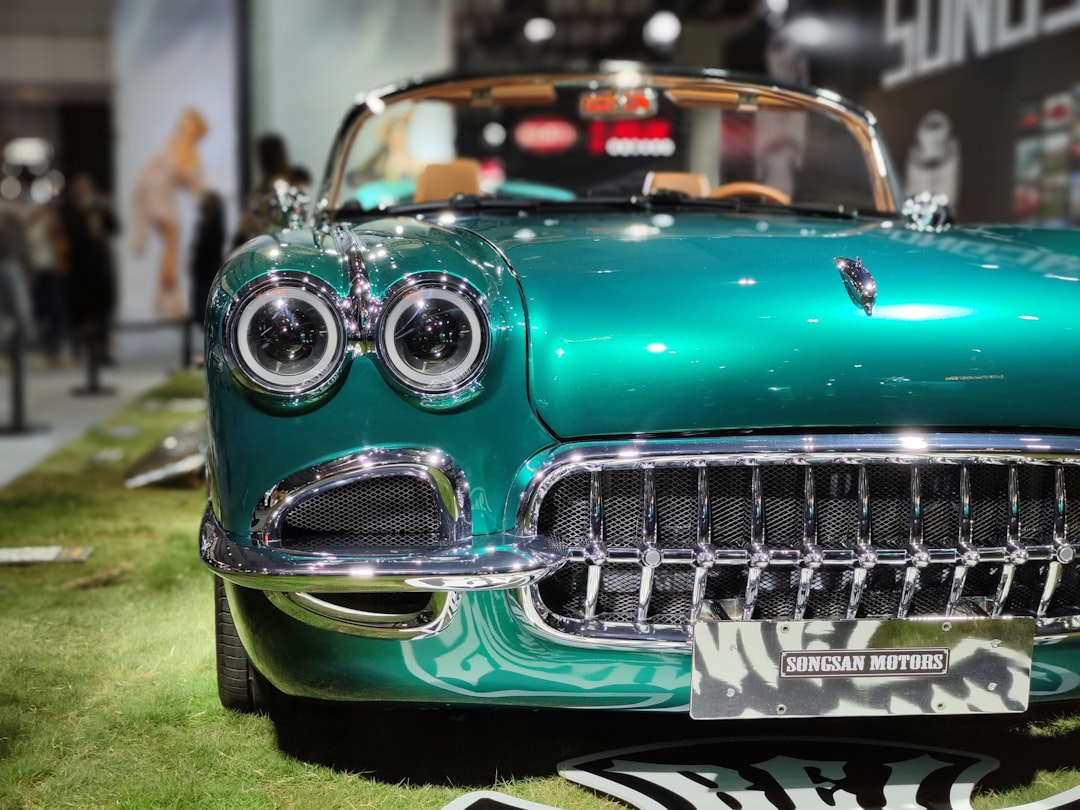
Tesla surpasses Wall Street expectations yet grapples with 50,000 unsold cars, as China's AutoChina 2026 show highlights its rapid EV innovations.
Tesla’s recently announced Q1 2026 earnings show a mixed picture. While the electric vehicle (EV) giant continues to deliver remarkable top-line figures and beat Wall Street projections, underlying concerns signal mounting challenges. Simultaneously, China’s AutoChina 2026, the largest auto show in history, underscores the rapid technological and competitive strides being made by Chinese automakers. Here’s a deep dive into both key developments and why they matter.
Tesla beats expectations but faces inventory troubles
Tesla’s financial report for the first quarter of 2026 largely impressed analysts. Revenue of $224.4 billion exceeded forecasts, and the company posted a robust 21.1% gross margin, comfortably above the 17.5% analysts had predicted. Free cash flow stood at $144 billion, a stark improvement given some experts had anticipated negative figures, and earnings per share hit $0.41, surpassing the $0.37 consensus. The stock jumped over 3% in after-hours trading as investors greeted the seemingly positive numbers.
However, the strong headline results overshadow a few glaring red flags in Tesla’s core operations. The company produced 408,000 vehicles but delivered only 358,000, leaving an alarming 50,000-unit inventory surplus. This marks the fourth consecutive quarter of missed delivery goals and raises concerns about waning demand. Additionally, Tesla’s energy storage business—the division once touted as its next major growth area—saw output drop 38% compared to the previous quarter. These data points suggest Tesla’s challenges go beyond the near-term revenue figures Wall Street cheered.
One noteworthy detail in the earnings report was the acknowledgment of a one-time profit boost from tariff-related adjustments, although Tesla has not yet received refunds from a recent Supreme Court ruling against import tariffs. This raises questions about the sustainability of such a boost in future quarterly earnings.
Tesla’s $25 billion spending spree
Tesla plans to invest $25 billion in capital expenditures in 2026, a significant leap up from the previously forecasted $20 billion made just three months ago. While such aggressive investments point to confidence in long-term initiatives—including autonomy and artificial intelligence—a spending spree of this magnitude is rare for most automakers in a single calendar year. It reflects Tesla’s high-risk, high-reward strategy: its long-term dominance depends on these bets paying off. But with inventory climbing and demand showing signs of slowing, the core EV business could struggle in the interim.
The return of Tesla’s $30,000 EV: Model Q revival?
Buried within the week’s Tesla news was an unexpected buzzworthy update regarding the so-called “Model Q,” an affordable EV aimed at a wider customer base. According to Reuters, Tesla may launch this car at a substantially lower price point—around $30,000—later this year. The conceptual Model Q reportedly features practical design elements like a 48-volt auxiliary battery, reduced energy consumption, and enough space for four adults and three suitcases.
Tesla CEO Elon Musk has teased affordable EVs since 2020, though progress has often been elusive, and prior timelines have proven overly optimistic. Yet with Tesla’s cheapest model, the Model 3, starting at $36,990, pressure to introduce a more budget-friendly option is clear. China’s automakers continue to release competitive EVs priced as low as $20,000, which challenges Tesla’s position in the global market. If Tesla succeeds with the Model Q’s $30,000 price target, it could revolutionize the entry-level EV landscape in America and beyond.
AutoChina 2026: China dominates the global auto stage
While Tesla grappled with its unsold inventory and pricing dilemmas, the world’s attention shifted to Beijing, where AutoChina 2026 officially opened its doors. This year’s edition marks the largest auto show ever hosted, with jaw-dropping numbers: 380,000 square meters of exhibition space (over 50 football fields), 1,451 vehicles on display, and 181 global premieres.
In choosing the theme “Future of Intelligence,” AutoChina 2026 reflects the fundamental direction of its local industry, focusing heavily on the intersection of AI, EVs, and autonomous systems. Standout announcements included BYD’s second-generation Blade Battery capable of sub-10-minute charging, Sony and Xiaomi’s partnership debuting a Vision Gran Turismo supercar concept, and a densely-packed portfolio of new battery technologies from CATL, the world’s largest battery manufacturer.
An absence that speaks volumes
Notably, Tesla skipped AutoChina for a second consecutive major Chinese auto show. While the strategic reasoning remains unclear, the absence feels symbolic given the rapid rise of homegrown competitors like BYD, Nio, and Xpeng. These brands unveiled innovations that challenge Tesla’s dominance head-on, including advanced AI-integrated cockpits and Level 3 autonomous driving systems. BYD even announced plans for global expansion, aiming squarely at European and North American markets.
U.S. automakers risk falling behind if they dismiss China’s speed of execution. For example, Xiaomi, initially a smartphone manufacturer, now has a concept car rivaling established brands. The gap in development timelines is startling: Xiaomi-Sony’s Vision Gran Turismo was completed in 24 months, from design to debut. By comparison, similar projects in the West often take twice as long due to regulatory inertia and entrenched processes.
The tariff refund windfall
Adding another layer to this week’s headlines is the long-awaited tariff refund process initiated by U.S. Customs and Border Protection. Following a Supreme Court decision that overturned import tariffs implemented under the Trump administration, businesses that paid these taxes can now claim refunds. Automakers stand to benefit substantially, with $170 billion in eligible refunds available during the initial rollout.
While consumer benefits will take time to materialize, reduced tariff costs could eventually lower vehicle prices in a hyper-competitive market. Given that tariffs had pushed the average price of a new car in the U.S. to $50,729 earlier this year, any pricing relief would be highly welcomed by buyers. For automakers struggling with inflated supply chain costs, these refunds provide much-needed financial breathing room.
Key takeaways: Tesla vs China’s growing EV clout
The developments of the week underscore the rapid transformation underway in the global auto industry. Tesla faces challenges at home, from unsold vehicle inventories to competition from increasingly affordable Chinese EVs. Meanwhile, AutoChina 2026 is a bold reminder that innovation is thriving faster abroad, particularly in fields like advanced batteries and autonomous systems.
Tesla’s willingness to reimagine its product strategy with an affordable EV demonstrates its awareness of shifting market demands. However, execution remains the question, especially as competitors in China continue to set higher benchmarks for development speed and adaptability.
With billions in tariffs now being refunded and Chinese EV makers expanding globally, the pressure is rising for legacy automakers in the U.S. and Europe to innovate faster. How Tesla and others respond in the next 12 months may define the course of the auto industry’s future competitiveness.
Staff Writer
Nina writes about new car models, EV infrastructure, and transportation policy.
Comments
Loading comments…


