Tesla makes FSD free for owners – could it be permanent?
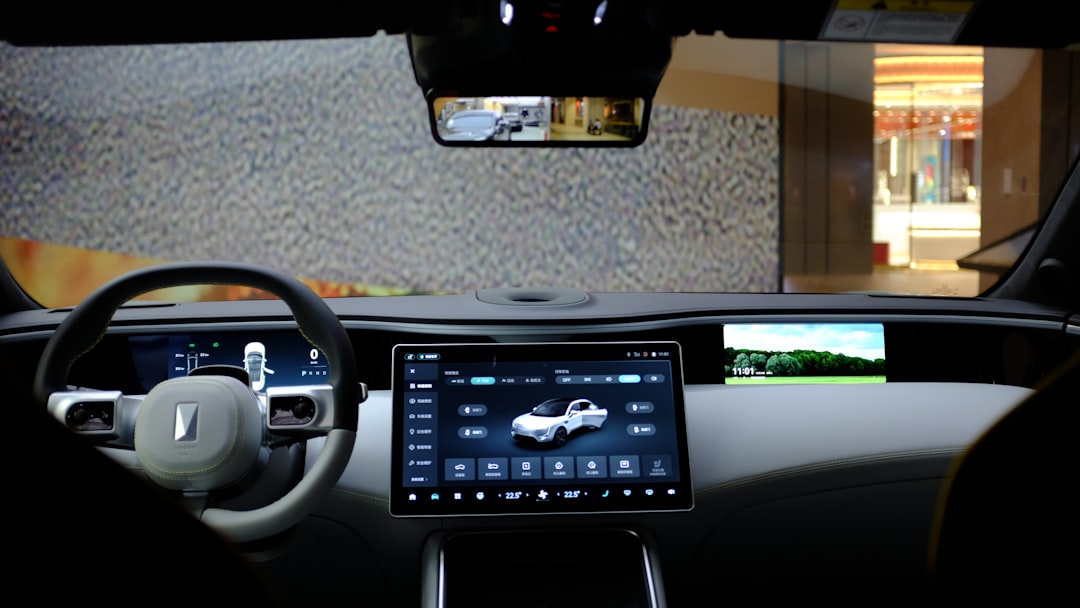
Tesla is making Full Self-Driving (FSD) free for all owners, with potential for a permanent shift. Here's what it means and how you can benefit.
Tesla offers Full Self-Driving for free—what you need to know
Tesla has announced that its Full Self-Driving (FSD) suite is now being offered to all owners for free. This move signals a bold strategy aimed at both promoting adoption of the system and gathering valuable on-road data to improve its capabilities. What’s different this time is the possibility that free access to FSD could become a permanent feature, breaking the company’s prior practice of charging up to $15,000 for the add-on or $199 per month for a subscription. Here’s a closer look at Tesla’s offer and the implications for current and potential Tesla owners.
Why is Tesla offering FSD for free?
At the heart of Tesla’s decision lies a major challenge: getting more drivers to adopt, use, and trust Full Self-Driving capabilities. While the system is a technological showcase for Tesla, a significant portion of Tesla owners have yet to utilize FSD, or may not even know it exists in their car. This creates a gap in practical application and valuable real-world data needed for Tesla to enhance the autonomous driving feature.
Tesla envisions a future filled with automated robo-taxis and seamlessly integrated autonomous vehicles. For this vision to succeed, Tesla needs the FSD system to be flawless. A key part of improving the software is gathering extensive real-world driving data, which becomes possible only when more owners actively use the system. Giving FSD away for free removes financial and psychological barriers, enabling Tesla to collect the data it needs while building user trust along the way.
Core FSD features
Tesla’s Full Self-Driving suite includes features that aim to make driving safer and less stressful. Here are the three standout functionalities in the 2026 FSD version:
- Smart Summon: Allows the car to navigate from a parking spot to pick up the owner. This feature has gained attention in viral videos but presents some operational risks. It can be slow, requires significant trust, and errors have been reported.
- Auto Park: Enables the car to park itself. Designed to work in most parking lot scenarios, it removes driver input for parallel or perpendicular parking. However, some users report occasional hiccups like minor rear-end collisions.
- City Street and Highway Navigation: By far the most compelling aspect, this feature handles autonomous driving on highways and city streets. It tackles lane changes, merges, traffic stops, and even construction zones. It works particularly well for long-distance driving, significantly reducing driver fatigue.
What works and what doesn’t
Benefits of FSD
- Reduced driving stress: For owners who dislike stop-and-go traffic, lengthy commutes, or monotonous highway stretches, FSD takes the fatigue out of the equation. From detecting emergency vehicles to navigating complex intersections, the system has proved its growing reliability.
- Convenience features: Summon and Auto Park were designed to solve parking lot frustrations. When successful, these features eliminate the hassle of parking in cramped urban areas.
Limitations of FSD
- Hardware dependency: Tesla’s latest version, FSD V14, performs optimally only on vehicles powered by Hardware 4. Older models with Hardware 3, which lack certain camera and computational upgrades, are relegated to a “light” version of FSD V14, scheduled for release in June.
- Learning curve: Trust is a major hurdle. Some drivers, like Tesla enthusiasts’ spouses mentioned in reports, find the experience uncomfortable and require time to acclimate to the system. Hesitation is understandable, given the stakes of an improperly executed maneuver.
- Costly mistakes: Both Smart Summon and Auto Park still record incidents of slow reactions or misjudgments. In some cases, these errors result in collision damage, highlighting the continued need for driver supervision.
How Tesla is giving away FSD for free
Tesla has rolled out multiple programs and incentives to make FSD free to as many drivers as possible:
- Free trials: If you purchase a new Tesla, you’re likely to get a free trial of FSD for up to three months. In some instances, smaller incentives—like receiving a free month of FSD with the purchase of new tires—are being offered as well.
- Major updates: Whenever Tesla releases a notable upgrade, such as FSD version 14, it provides free trials for a limited period. For example, hardware 4 vehicles recently enjoyed six weeks of complimentary FSD. This program is expected to extend to hardware 3 cars in June when the “light” version becomes available.
- Loyalty program: Tesla appears to be developing a rewards system based on leaked code. Owners could earn rewards like permanent FSD access by completing tasks such as frequent use or referring new buyers.
Practical takeaways for Tesla owners
- New owners: If you’re considering a Tesla purchase, the prospect of free FSD trials enhances the value of your investment, allowing you to test the system before committing to an extended subscription.
- Hardware 3 vs Hardware 4: Owners of older vehicles should weigh the limited experience of FSD V14 Light. While Tesla promises continuous improvements, the most advanced features will remain hardware-dependent.
- Urban vs long-distance drivers: FSD shines during long highway trips but might feel unnecessary for casual or frequent short-distance drivers.
The future of Tesla’s rollout
Tesla is diving deeper into refining its vision of autonomous robotics. While software advancements like FSD V14 bring Tesla closer to full autonomy, its success hinges on adoption. By making FSD accessible at no cost and continually lowering barriers—through programs, updates, and hardware transitions—Tesla aims to build trust and collect necessary data to perfect its system.
Whether free FSD truly becomes permanent or survives as a long-term promotion remains uncertain. For now, Tesla owners have little to lose by embracing this opportunity.
Staff Writer
Nina writes about new car models, EV infrastructure, and transportation policy.
Comments
Loading comments…


