Tesla Semi Updates: Long-Range Model, Advanced Features, and Future Plans
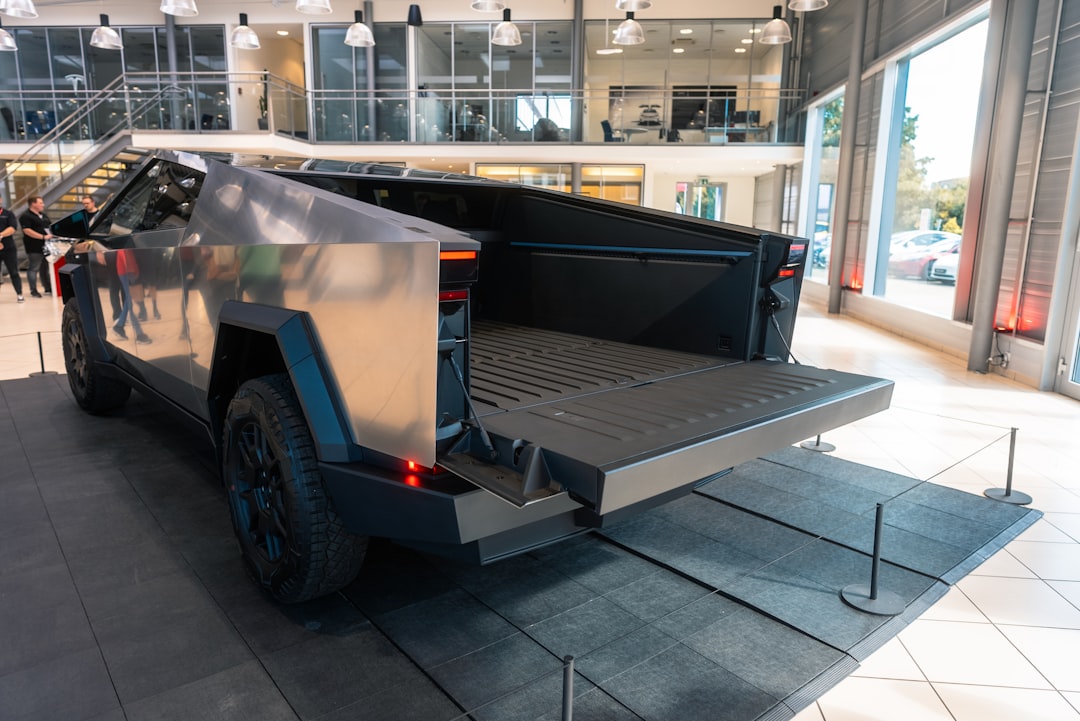
Tesla Semi achieves a 500-mile range, brings cutting-edge innovations like a 48V architecture, and plans production expansion to 50,000 units per year.
Tesla's electric Semi truck has showcased significant technological strides, reaffirming its position as a pioneer in the automotive and freight industries. From an industry-leading 500-mile range to innovative engineering that improves both efficiency and maneuverability, Tesla continues to refine its all-electric Class 8 truck. Here's a breakdown of key updates and what they mean for the future of freight transportation.
Tesla Semi: Unrivaled Efficiency
Tesla's new 500-mile range Semi introduces a coefficient of drag (Cd) under 0.4, a dramatic improvement over the typical 0.6 to 0.9 drag coefficients seen in comparable Class 8 diesel trucks. This reduced drag, combined with Tesla's engineering optimizations, allows the Semi to operate at half the cost of traditional diesel trucks—especially noticeable in regions like California, where fuel costs are higher.
The Semi’s battery is designed with 4680 cells and engineered for a million-mile lifespan, ensuring long-term value for fleet operators. The truck also utilizes a 48-volt architecture, similar to what’s used in Tesla’s Cybertruck, further solidifying its advanced engineering pedigree. Compared to earlier prototypes, the 500-mile range version has reduced its weight by 1,000 pounds through innovative design changes, achieving payload parity with diesel equivalents.
Maneuverability and Driver-Friendly Features
Tesla has made significant strides in Semi’s maneuverability, an essential factor for use in urban environments. Standard models have a turning radius comparable to Tesla's Model 3 and Model Y, thanks to independent front suspension and a shorter wheelbase. This is a dramatic improvement for an electric truck of this size.
The transition from hydraulic to fully electric-assisted steering, using Cybertruck parts, enhances control and responsiveness. These upgrades make the truck more efficient during tight maneuvers in busy settings. In fact, Tesla reports that drivers often underutilize the steering's full capability, only realizing its potential after experiencing it firsthand.
Beyond its mechanics, Tesla has crafted a cab design informed by extensive driver feedback. Adjustments were made to improve aerodynamics, visibility, and ergonomics. For example, drivers can more comfortably reach out of the windows, reflecting Tesla’s commitment to practical, user-focused innovations.
Real-World Testing Success
Over the course of development, Tesla's test fleet of a few hundred Semis has collectively driven 13.5 million miles, with leading trucks individually surpassing 450,000 miles. Reliability stands out as a key metric: the fleet has maintained a 95% uptime rate, with half of any breakdowns resolved within just one hour. Such benchmarks highlight the Semi as a reliable and efficient tool for fleet operators.
Tesla’s current production facility near Giga Nevada in Reno is ramping up operations with an ambitious goal of producing 50,000 units annually. Both the 500-mile and 325-mile range models are set for high-volume manufacturing, signaling Tesla’s readiness to scale electric freight solutions.
Comparison Table: Tesla Semi vs. Diesel Trucks
Below is a detailed comparison between Tesla’s electric Semi and traditional diesel trucks to illustrate their efficiency and operational advantages:
| Feature | Tesla Semi | Diesel Truck |
|---|---|---|
| Coefficient of Drag (Cd) | < 0.4 | 0.6–0.9 |
| Range | 500 miles (long-range) | ~1,000 miles* |
| Lifetime Cost | 50% of diesel truck costs | Higher due to fuel costs |
| Uptime Rate | 95% | Varies |
| Steering System | Fully electric assist | Hydraulic |
| Turning Radius | Comparable to Model 3/Y | Larger |
| *Dependent on payload size, routes, and fuel quality. |
What Does the Future Hold?
Beyond the Semi, Tesla is exploring next-generation manufacturing at its proposed Terafab, a facility set to scale Tesla’s chip production for advanced vehicles. While details are still evolving, Tesla CEO Elon Musk articulated that this “100 million square foot” facility would represent a breakthrough in scalable manufacturing efficiency.
At the same time, drone pilots have spotted new developments at Tesla’s Giga Texas site, including construction for an advanced technology fab. While smaller at two million square feet, this facility will focus on chip design iterations, further boosting Tesla’s technological prospects.
Additionally, Tesla continues to refine its existing product lineup. A sighting of a potential “Model Y L variant” in testing suggests plans to expand options for consumers preferring larger passenger models, while the introduction of new real-time driver profile visibility in Tesla’s mobile app signals ongoing software evolution that caters to multi-user households.
Practical Takeaways
- Cost Efficiency: The Tesla Semi runs at half the cost of diesel trucks, a compelling argument for fleet operators looking for sustainable transportation solutions.
- Range and Reliability: With a 500-mile range and a reliable 95% uptime rate, the Semi provides a viable electric alternative for long-haul trips.
- Driver-Centric Design: Enhanced cabin ergonomics and turning capabilities reinforce Tesla’s commitment to user experience.
- Scalability: With plans for 50,000 annual units and new facilities in development, Tesla is positioning itself to dominate the electric trucking space.
Conclusion
Tesla's Semi truck represents major progress in the electric vehicle industry, particularly within freight transportation. With cutting-edge technology, practical design choices, and reliability proven through extensive testing, Tesla addresses the key concerns of the logistics sector. Whether by improving fleet uptime or curbing operational costs, the Semi stands out as both a technological marvel and a practical solution. Tesla’s foresight in scaling production underscores its commitment to transforming global transportation.
For businesses and consumers alike, it’s evident that Tesla’s innovations are reshaping the road ahead.
FAQ
How does the Tesla Semi compare to diesel trucks in weight?
The Tesla Semi has reduced weight by 1,000 pounds through engineering optimizations. Additionally, it benefits from a federal 2,000-pound weight exemption for electric Class 8 vehicles, achieving payload parity with diesel trucks.
What is the range of the Tesla Semi?
There are two models: the long-range version reaches 500 miles, while the standard range model achieves 325 miles per charge.
How reliable is the Tesla Semi?
The test fleet has reported a 95% uptime rate, with breakdowns often resolved within an hour.
Where is the Tesla Semi produced?
Tesla’s dedicated semi-truck manufacturing facility is located near Giga Nevada in Reno.
How large could the new Terafab facility be?
The proposed Terafab is expected to be unprecedented in scale, spanning approximately 100 million square feet—ten times the size of Tesla’s Giga Texas Factory.
Comments
Loading comments…


