Tesla’s FSD could arrive in Europe by April 2026: Key details revealed
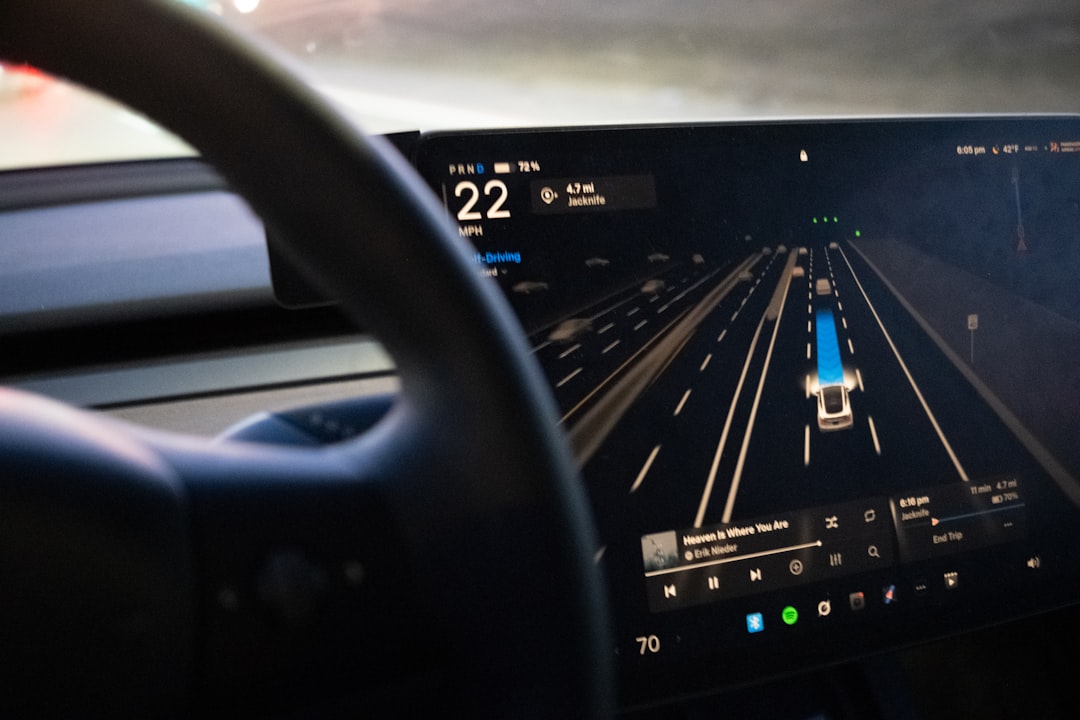
Tesla confirms a potential rollout date for Full Self-Driving in Europe by April 2026, pending regulatory approval from the Netherlands' RDW.
Tesla’s Full Self-Driving (FSD) technology has faced delays in making its way to Europe due to stringent regulatory hurdles. Now, the company has revealed a potential launch date for this highly anticipated software: April 10, 2026. While the final approval hinges on Dutch regulators, Tesla’s announcement marks a significant development in the rollout of its advanced autonomous driving capabilities.
What Tesla Revealed About FSD in Europe
Tesla announced that the required testing for its Full Self-Driving (FSD) software, in collaboration with the Netherlands Vehicle Authority (RDW), has concluded. Essential documents have been submitted, placing the decision in the RDW’s hands. The agency will determine on April 10, 2026, whether FSD will receive approval to operate in the Netherlands. This step is critical because, under European Union rules, other EU countries can base their approval on the RDW’s assessment.
Should the software gain approval, Tesla anticipates a broader rollout across Europe later in the summer of 2026. During testing, the company accumulated over 1.6 million kilometers of real-world driving experience in Europe and conducted over 13,000 customer rides to showcase the software’s capabilities.
Testing Continues While Approval Is Pending
Tesla extended its FSD test drive program in Europe to April 30, 2026. Initially available between December 1, 2025, and March 31, 2026, interested individuals now have an additional month to experience FSD firsthand. While watching videos of the technology in action can offer insights, getting behind the wheel offers a much clearer perspective of how Tesla’s software operates in real-world traffic conditions.
Comparison to the U.S. FSD Rollout
FSD has been available in the U.S. for years, where it has undergone significant improvements. The European launch will see Tesla introducing an updated version of the software, likely aligned with its most advanced FSD Beta iterations. The European market, though lucrative, presents a unique challenge due to road infrastructure variations and stricter laws concerning autonomous driving technologies.
Key Milestones Leading Up to April 2026
| Milestone | Details |
|---|---|
| RDW Testing Completed | Tesla collaborated with the RDW to test FSD performance extensively. |
| Document Submission | All required documentation passed to RDW for evaluation. |
| Decision Date | RDW announced April 10, 2026, as the verdict date for FSD approval. |
| Broader European Rollout | Expected from mid-2026, contingent on initial approvals. |
Why This Matters to the EV Industry
Tesla’s FSD introduction to Europe carries implications for the vehicle automation industry. Achieving approval could accelerate legislation changes and technological advancements across competing platforms. Europe remains a highly regulated market, but Tesla’s continued investments in dialogue with local authorities signal its long-term commitment.
V4 Superchargers in Europe
Alongside FSD, Tesla is also upgrading its charging network. Production of its V3 Supercharger technology has officially ended after seven years. Moving forward, Tesla is rolling out its V4 Superchargers, which offer improved performance:
- Up to 500 kW of charging output, a significant upgrade from 250 kW
- Compatibility with 1,000-volt batteries
- Increased capacity, allowing one rectifier to power up to eight charging stalls
Europe is expected to see V4 Supercharger installations soon, as Tesla transitions entirely to this new model.
Tesla's Expansion of AI and Robotics
Tesla has also announced a new AI chip manufacturing plant, referred to as the “Terrafab.” Located near the Giga Texas campus, this facility aims to produce AI chips that surpass the capabilities of existing competitors like TSMC in terms of scale and performance. With this move, Tesla reinforces its strategy of vertical integration, ensuring a tighter control over hardware production for autonomous driving.
Robotaxi Updates and Challenges
In the U.S., Tesla’s efforts in expanding its Robotaxi fleet have faced hurdles. For example, fewer Robotaxis are actively operating in areas like the Bay Area compared to earlier periods. Tesla is working to scale operations, but reliance on safety drivers has slowed progress. New Robotaxi-ready Model Y vehicles have been spotted in Las Vegas, equipped with enhanced cameras and features, indicating the city might join the Bay Area and Austin in offering autonomous ride services.
Debunking FSD Safety Concerns
Tesla recently faced claims related to a Cybertruck crash purportedly linked to its autonomous driving system. Elon Musk clarified that the incident was caused by Tesla’s older Autopilot system, not FSD. Tesla logs confirmed that Autopilot was disengaged four seconds prior to the crash, highlighting how older systems differ substantially from the newer FSD software.
Future Tesla Developments
- FSD Beta Version 14.3: This upgraded version is in internal testing and could be key to Tesla’s European entry.
- New Battery Plant with LG Energy Solutions: A $4.3 billion facility will produce LFP (lithium iron phosphate) batteries in the U.S., reducing reliance on Chinese manufacturing.
- Tesla Roadster Update: Musk hinted the next-generation Roadster might be formally introduced in April 2026, with no specific sale date provided.
Practical Takeaways for Tesla Owners and Enthusiasts
- FSD Test Drives: If you’re in Europe and haven’t tested FSD yet, take advantage of the extended free trials until April 30, 2026.
- Supercharging Benefits: Prepare for faster charging times with the anticipated rollout of V4 Superchargers in Europe.
- Robotaxi Expansion: Tesla’s expanded fleet may reach more European cities once FSD is approved.
- Safety Over-speculation: Autopilot and FSD are distinct, and Tesla continues refining each system to reduce errors.
Conclusion
Tesla’s FSD journey in Europe is at a crucial juncture, with April 2026 set to be a pivotal month. The approval process by the RDW stands as a gateway not only for the Netherlands but potentially for a wider rollout across the EU. Coupled with efforts in charging infrastructure and AI advancements, Tesla is laying the groundwork for a significant leap in autonomous driving adoption.
With the industry watching, the stakes for Tesla remain high, but so does the potential impact. European drivers could soon experience a technology that U.S. customers have been testing and refining for years.
Comments
Loading comments…


