Tesla's Robo Taxi Update and New Cyber Cab Insights
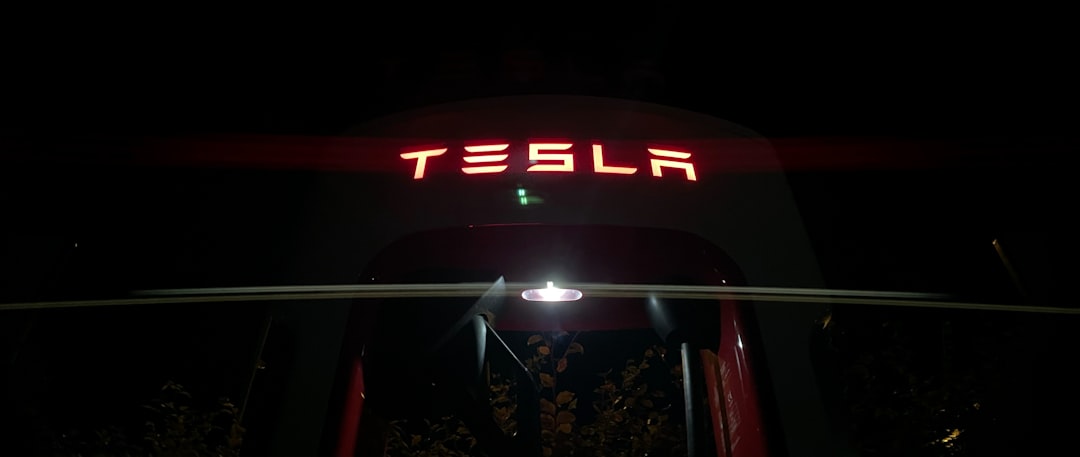
Tesla is moving closer to bringing fully autonomous robotaxis to roads, with new updates on Cyber Cab production hinting at exciting developments ahead.
Tesla's push to revolutionize road transportation with fully autonomous robotaxis is bringing us closer to a world where self-driving vehicles no longer need human supervision. New insights into Tesla's Cyber Cab, the company's latest design iteration for urban transportation, have provided a glimpse into the future of Tesla's robotaxi fleet. Recent updates, including in-person reports from a Cyber Cab showcase at South by Southwest in Austin, Texas, shed light on the vehicle's design, federal certifications, and potential production timeline.
Cyber Cab Certification Boosts Confidence in Autonomous Fleet
One of the standout moments from the Austin showcase was the discovery of critical certifications displayed inside the Cyber Cab vehicle. These stickers confirmed that Tesla’s vehicle conforms to all federal motor vehicle safety standards—a crucial step toward mass production. These certifications suggest Tesla is confident the Cyber Cab can operate on public roads without traditionally mandatory components, such as steering wheels and pedals.
Tesla’s ability to self-certify adds credibility, though the National Highway Traffic Safety Administration (NHTSA) could challenge aspects of compliance post-production. However, the company’s track record of meticulous crash testing and adaptive innovation may temper these concerns. With Cyber Cab production slated to begin as early as April, it appears Tesla is ready to transition this model from prototype to real-world use.
Steering Into New Territory: No Wheels or Pedals
The Cyber Cab is designed as a fully autonomous vehicle, requiring no steering wheel or pedals. This marks a significant departure from traditional cars and highlights a leap forward in Tesla’s self-driving ambitions. Industry insiders speculate Tesla may have received implicit approvals—or at least a lack of objections—from regulatory bodies to omit these traditional controls based on federal considerations of the system’s unique design.
Design Features Tailored to Urban Efficiency
The Cyber Cab’s design caters to urban environments, balancing aesthetics, functionality, and accessibility. Here are some key design elements that set the vehicle apart:
- Lower Seating for Accessibility: The seating is positioned closer to the ground, making lateral transfers easier for wheelchair users. This inclusive design aims to simplify access for passengers with mobility challenges.
- Compact Size: The Cyber Cab’s narrow build addresses urban traffic demands and parking constraints. While narrower than traditional vehicles, its door design minimizes obstruction when opening.
- Spacious Interior: Despite its compact exterior, the vehicle offers ample cargo space in the trunk, enough to fit luggage or even golf clubs.
- High-Tech Minimalism: Inside, the Cyber Cab interior is streamlined, featuring a central touchscreen for controls and a simplified layout with practical features like cup holders and USB ports located beneath the screen.
- Durable Tires: Built for efficiency rather than aggressive driving, the tires prioritize longevity to minimize operational costs—a critical factor for fleet managers.
Nighttime Visibility: Enhanced Lighting and Branding
The Cyber Cab’s presence shines at night, with striking interior lighting and illuminated external decals. These stickers, powered by the vehicle, add to nighttime visibility, enhancing both safety and branding.
Robo Taxi Cost Projections: Debating the Numbers
While Tesla’s plans for a fully autonomous robotaxi fleet hold immense promise, cost predictions for these vehicles vary widely. A recent Morgan Stanley report suggested the per-mile cost of Tesla’s robotaxi rides could initially hover around $1.39, far above CEO Elon Musk’s ambitious target of $0.20 per mile. Analysts point to factors like early-stage scale inefficiencies, employee monitoring costs, and insurance premiums as potential reasons for the higher figures.
This estimate contrasts with optimistic projections suggesting that Tesla’s economies of scale and cost-effective production could drive down costs much sooner. Insurance, a potentially significant cost, is not expected to contribute drastically to these numbers based on industry speculation.
Tesla’s Vision for Autonomous Cost Efficiency
Even if initial operational costs are high, Tesla’s long-term strategy focuses on driving these numbers significantly lower. Scalable fleet management systems, shared monitoring resources, and rapid technological advancements are expected to reduce expenses over time. Combined with the vehicle’s energy efficiency and durability, Tesla’s vision of affordable autonomous travel seems attainable in the not-so-distant future.
Implications for the EV Market
The Cyber Cab project also highlights broader trends within Tesla and the electric vehicle (EV) market. With energy infrastructure improving and EV adoption growing worldwide, Tesla is expanding its footprint in countries like Australia, South Korea, and China. However, U.S. sales data remain comparatively opaque, leaving room for speculation about Tesla’s domestic market performance in Q1.
Global sales trends and energy production gains hint at overall growth for Tesla. As governments and private entities shift focus toward renewable energy and EV infrastructure, Tesla’s position as a key player in both markets becomes increasingly secure.
Challenges and Opportunities
Unforeseen geopolitical issues, such as instability in the Middle East, have impacted market confidence, particularly related to oil prices. These disruptions underscore the global need to transition away from fossil fuels, a transition Tesla’s mission inherently aligns with. Whether this shift drives additional EV interest in 2023 remains to be seen.
Practical Takeaways
-
Cyber Cab Readiness: Tesla’s Cyber Cab is on track for production with certification in place, supporting all necessary safety standards. Its steering wheel- and pedal-free design reflects a significant advancement in autonomous vehicle technology.
-
Urban Accessibility: The vehicle is tailored for urban use, prioritizing efficiency, space savings, and inclusivity in passenger access.
-
Cost Reduction Pathways: Although initial costs for robotaxis are higher than long-term projections, Tesla’s cost-reduction mechanisms, such as efficient fleet management and low operating costs, could quickly align with Elon Musk’s $0.20 per mile goal.
-
Growth and Challenges: While Tesla’s global expansion is accelerating, challenges such as oil-driven market volatility and unclear domestic EV statistics remain hurdles to monitor.
Conclusion
Tesla’s Cyber Cab and its imminent production signals an exciting chapter for autonomous vehicles and urban transportation. From its regulatory compliance to its thoughtfully inclusive design, the Cyber Cab offers a glimpse into how Tesla envisions leveraging autonomy and efficiency to reshape modern mobility. If costs align with predictions and scaling challenges are tackled head-on, robotaxis may soon become an integral part of city life, combining sustainability with convenience.
As Tesla continues refining its robotaxi fleet and expanding its global EV reach, the industry watches closely to see if the company’s vision can overcome the financial and regulatory hurdles that lie ahead. For now, Cyber Cab remains a promising entry into a rapidly evolving market.
Staff Writer
Mike covers electric vehicles, autonomous driving, and the automotive industry.
Comments
Loading comments…


