Subaru unveils the Getaway: its first three-row electric SUV
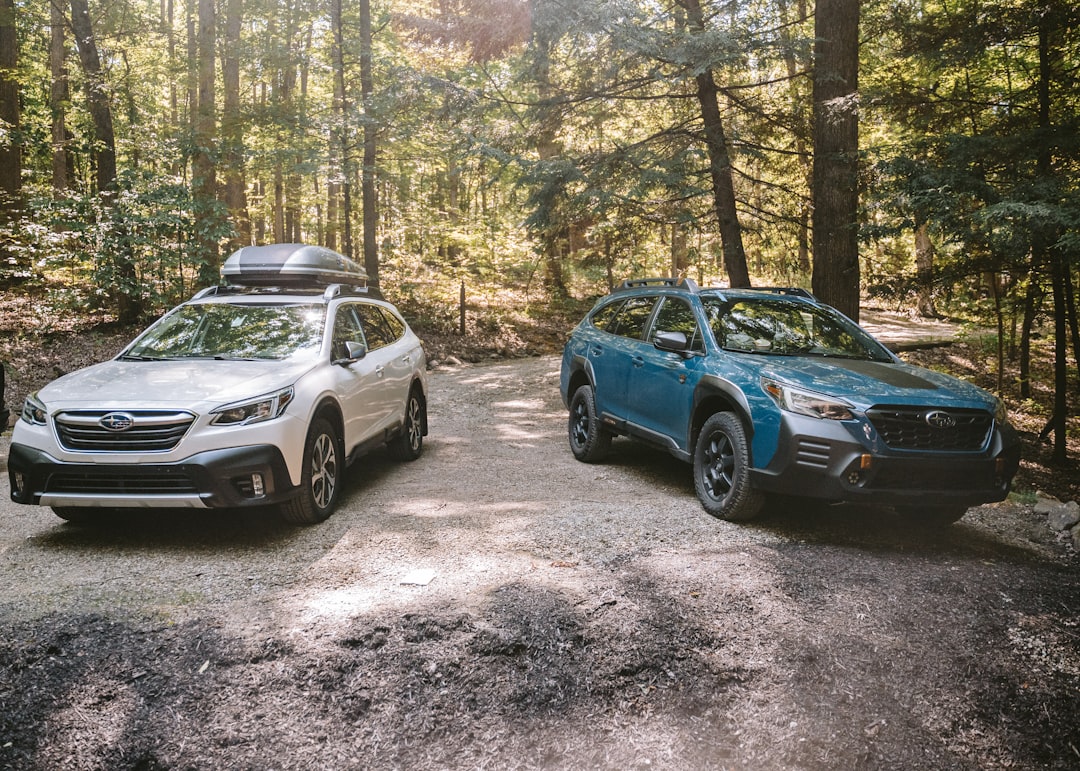
Subaru reveals its three-row electric SUV, the 2027 Subaru Getaway, offering over 300 miles of range, robust capabilities, and a family-friendly design.
In its boldest electric shift to date, Subaru has unveiled the 2027 Getaway, a three-row electric SUV that marks the company’s largest EV offering yet. With a focus on family-friendly utility, off-road readiness, and striking a balance between modern and classic Subaru design, the Getaway edges into a growing segment of competitive three-row electric SUVs. Positioned to take on rivals like the Kia EV9 and Hyundai Ioniq 9, this newcomer promises to be an enticing option for families ready to embrace all-electric driving.
Bigger, with Subaru DNA
The Subaru Getaway borrows its chassis from the Toyota Highlander EV, but it distinguishes itself by being 2 inches longer than the Subaru Ascent—its gasoline-powered three-row sibling. With an extended wheelbase, the Getaway provides enhanced interior space, improving comfort and accessibility for passengers, especially in the rear seats.
Subaru has also incorporated its trademark focus on ruggedness. The Getaway offers over 8 inches of ground clearance, outcompeting the 7.8 inches of the Kia EV9 but falling short of the Rivian R1S’s industry-leading numbers. The aggressive over-the-top body cladding enhances its adventurous look while maintaining functionality. Subaru has aimed this EV squarely at outdoor enthusiasts, even emphasizing its capability to hold a rooftop tent strong enough for an entire family and their dog.
Exterior design
Subaru placed significant focus on balancing modernity with its familiar outdoorsy appeal. The Getaway’s design enhances the rugged look with stylish yet functional features. Unlike current trends, Subaru opted against a full-width rear light bar, opting instead for centered Subaru logo badging and a sleek, minimalist design. The result is a contemporary yet understated look that Subaru hopes resonates with its customer base.
A spacious, comfortable interior
The interior of the Getaway reflects a mix of inspiration from the Toyota Highlander EV and notable improvements over Subaru’s existing models like the Outback and Forester. The top trim features upscale materials such as Nappa leather, an upgrade Toyota's Highlander EV lacks, as it uses SofTex for its higher trims. Soft-touch materials dominate the cabin area, with elevated finishes that make the third row feel just as premium as the front.
The layout includes clever storage options, such as space beneath dual wireless charging pads. However, Subaru’s transition toward touchscreen-centered controls may spark mixed reactions. Unlike the tactile controls in older Subarus, many features, including climate control and heated seats, now rely on a central 14-inch touchscreen. While this removes clutter, it may prove less convenient when making adjustments on the go.
Passenger space and tech amenities
Passenger comfort is a priority, with ample legroom and headroom—even in the third row. Reclining and heating options are available for some third-row trims, offering more luxury compared to typical back-row experiences. Second-row amenities include heated and ventilated seats, adjustable fan controls, USB-C charging ports, and conveniently placed air vents, making it ideal for long-distance family trips.
Tech enthusiasts will appreciate the 14-inch center touchscreen paired with a 12.3-inch driver’s display. The infotainment system supports wireless Apple CarPlay and Android Auto but requires a subscription for certain features, like navigation and music streaming. Although the lack of physical buttons may frustrate some Subaru fans, the UI is noted to be a considerable improvement over Subaru’s previous infotainment systems, blending speed and intuitive design.
Powertrain, range, and charging
Under the hood, the Getaway features a robust all-wheel-drive system standard across all trims, delivering up to 420 horsepower. This three-row EV accelerates from 0-60 mph in under five seconds, outpacing most family SUVs in its class. With a towing capacity of 3,500 pounds, it remains versatile enough for outdoor enthusiasts hauling gear or trailers.
Subaru estimates a range of over 300 miles on a single charge, thanks to a 95.8 kWh battery pack. The vehicle supports DC fast charging at speeds up to 150 kW, allowing users to recharge from 10% to 80% in about 30 minutes. However, these speeds are not groundbreaking and lag behind industry leaders such as Rivian.
An important inclusion is the Tesla-style North American Charging Standard (NACS) port, which grants drivers access to Tesla’s extensive Supercharger network without requiring an adapter, simplifying long-distance travel. Subaru’s focus on infrastructure compatibility helps position the Getaway as a practical choice for transitioning EV owners.
A strategic play in the EV market
The Getaway enters a fiercely competitive market. As rivals like the Kia EV9 and Hyundai Ioniq 9 start at around $64,000 for all-wheel-drive trims, Subaru has an opportunity to capture attention by pricing the Getaway under $60,000. While specific pricing remains under wraps, this could be a critical factor in carving out market share. Subaru fans who value the company’s combination of utility, ruggedness, and family-focused designs may view the Getaway as a natural next step into electric driving.
Conclusion
As Subaru’s first foray into the three-row electric SUV sector, the 2027 Getaway channels a blend of functionality, family comfort, and off-road capability. With solid range estimates, significant towing capacity, and interior upgrades, it stands to attract both EV newcomers and existing Subaru loyalists. While some aspects, like touchscreen controls, might divide opinions, the Getaway suggests Subaru is serious about listening to its audience while paving its electric future. All eyes now turn towards the official pricing announcement and the response from competitive automakers in this increasingly vital segment of the EV market.
Staff Writer
Nina writes about new car models, EV infrastructure, and transportation policy.
Comments
Loading comments…


