Trump administration sues California over electric vehicle mandate
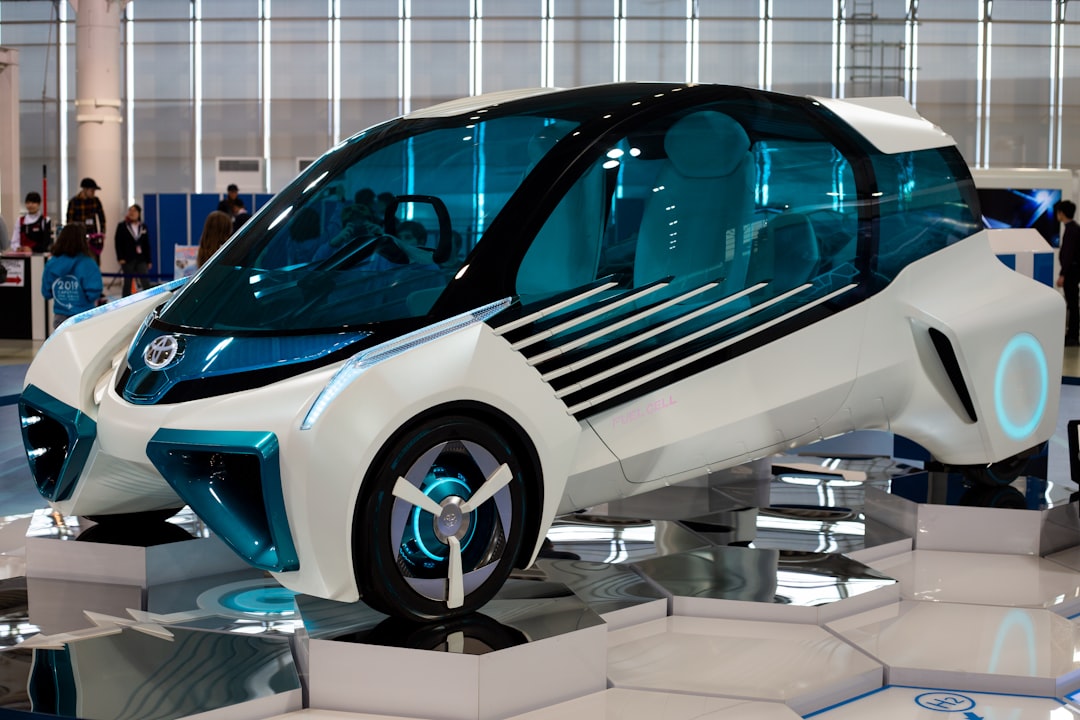
The Trump administration challenges California's EV mandate, sparking a legal battle over state vs. federal authority on clean energy policies.
The Trump administration has launched a lawsuit against California over its mandate that all new cars sold in the state be zero-emission vehicles (ZEVs) by 2035. Commonly known as the Advanced Clean Cars 2 regulation, the mandate was approved under the Biden administration and is enforced by California's Air Resources Board (CARB). This legal battle underscores ongoing disputes over federal versus state authority and carries significant implications for national clean energy and transportation policies.
Background on California's EV mandate
Since 2022, California has mandated that a growing percentage of new cars sold each year must meet zero-emission standards. Under the Advanced Clean Cars 2 program, the state has set a timeline requiring 35% of new vehicles sold in 2026 to be emission-free, with the goal escalating to 68% by 2030 and 100% by 2035. CARB, which has long led emissions regulation in the U.S., is overseeing the rollout of these standards.
California’s leadership on tailpipe regulations dates back to before the establishment of the Environmental Protection Agency (EPA), and the state has historically received waivers under the federal Clean Air Act to set stricter rules than the national baseline.
Governor Gavin Newsom and other state officials have framed the EV mandate as an essential step toward reducing greenhouse gas emissions and cutting dependence on fossil fuels. As of 2025, California had already recorded the sale of over 2.5 million ZEVs, a milestone described by the California Energy Commission as critical for achieving the state’s clean energy goals.
The Trump administration's lawsuit
The Trump administration has characterized California’s EV mandate as a “backdoor” attempt to override federal authority on vehicle fuel economy standards, which are regulated by the National Highway Traffic Safety Administration under the Department of Transportation. In the lawsuit, the administration argues that this regulation infringes on federal control and imposes unrealistic targets that align with what Transportation Secretary Sean Duffy referred to as “radical EV fantasies.”
The lawsuit further highlights disparities in EV sales, suggesting that consumers aren't adopting the technology quickly enough to meet California's projections. Critics of the mandate caution that vehicle affordability, infrastructure readiness, and market demand may fall short of the state’s ambitious goals.
California's response
Governor Newsom’s office has pushed back against the lawsuit, calling it an attack on California’s leadership in clean energy. In a statement, Newsom's office linked the legal challenge to broader issues such as corporate profits in the oil sector and geopolitical instability driven by energy dependence.
“Trump’s administration is suing California for advancing cleaner, cheaper cars that free drivers from the grip of foreign oil markets and the bad actors who profit from global instability,” said a statement from Newsom's office.
Despite the legal challenge, state leaders, including U.S. Senator Adam Schiff, have expressed confidence in California’s ability to defend the Advanced Clean Cars 2 rules. Schiff pledged to advocate for California's clean energy policies in the U.S. Senate, emphasizing the importance of the state’s EV mandate as a model for others nationwide.
Broader implications
The federal lawsuit against California has the potential to shape the future of energy policies far beyond the state’s borders. California has long been seen as a leader in environmental regulation, and many states opt to follow its standards under Section 177 of the Clean Air Act.
If California prevails, it could solidify the precedent that states can set their own stricter cleanup laws, especially regarding vehicle emissions. Alternatively, a ruling in favor of the Trump administration might limit the autonomy of California and other states, forcing a reliance on federal standards.
Consumer adoption challenges
While California has made strides in promoting ZEVs, the shift to 100% zero-emission sales remains a steep climb. Current adoption rates have not kept up with the aggressive targets outlined in the mandate. For example:
| Year | Zero-Emission Vehicle Sales Goal | Achieved Sales (%) |
|---|---|---|
| 2026 | 35% | TBD |
| 2030 | 68% | TBD |
| 2035 | 100% | TBD |
One concern is vehicle cost. EVs often carry higher upfront prices than comparable gas-powered models, though long-term savings on fuel and maintenance can offset those costs. Another issue is infrastructure, as widespread adoption depends on the expansion of EV charging networks statewide.
Looking ahead
The Trump administration's lawsuit against California represents more than just a legal skirmish—it highlights fundamental disagreements over the direction of U.S. energy policy and the balance between state and federal authority. The outcome of this legal battle will influence whether individual states retain the ability to set aggressive climate policies or whether a uniform, federally regulated framework is enforced.
Meanwhile, California remains steadfast in its commitment to clean energy, with Governor Newsom signaling that this fight is far from over. Whether the state can stay on track to meet its emissions goals may depend not only on legal rulings but also on consumer behavior and advancements in EV technology.
Comments
Loading comments…


