Why Electric Vehicles Depreciate Faster Than Gas-Powered Cars
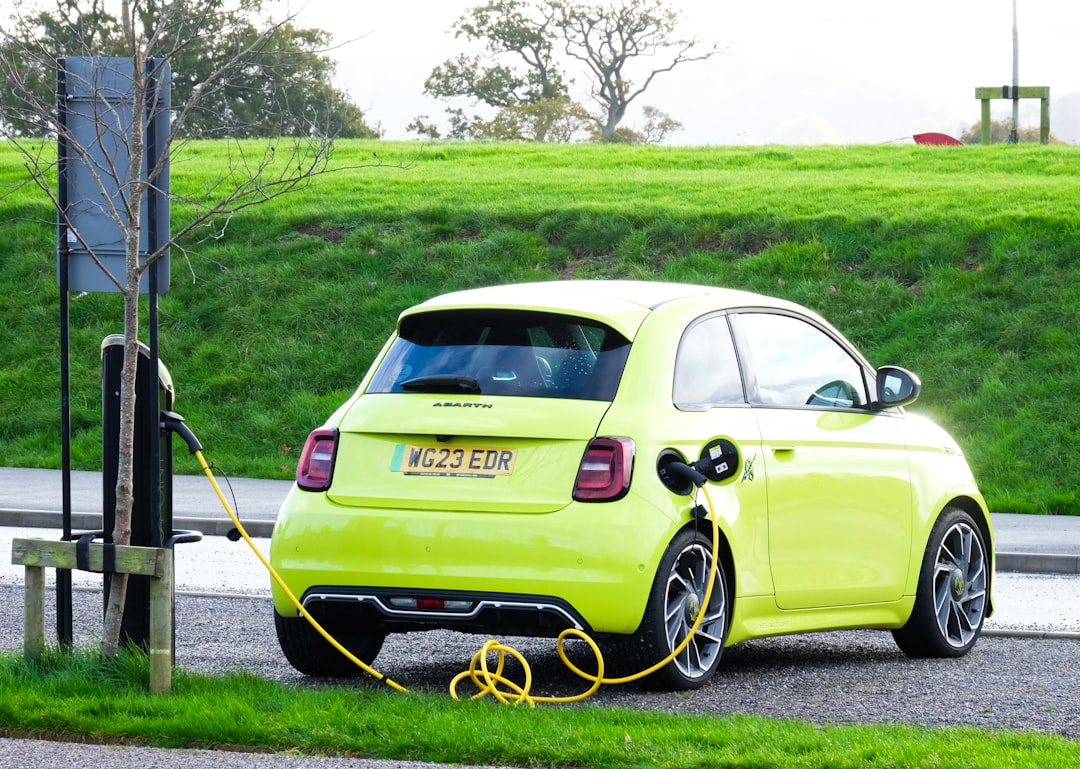
Electric vehicles depreciate faster than gas cars due to incentives, rapid tech upgrades, and niche market challenges affecting resale values.
Electric vehicles (EVs) offer plenty of advantages, including lower operating costs, less maintenance, and strong battery durability. But a significant drawback for many current or potential EV buyers is their rapid depreciation compared to gas-powered cars. While overall vehicle depreciation is an accepted reality, the extent to which EVs lose value has raised concerns among consumers and analysts alike.
In this article, we’ll explore why EVs depreciate faster, how this impacts ownership costs, and what it means for the growing electric vehicle market.
EV Depreciation vs. Gas Cars
A 2025 study by iSeeCars highlights the stark difference in depreciation between electric and gas-powered vehicles. Across the car market, the average depreciation rate over five years is 46%. For EVs, that rate jumps to 59%, representing a significantly greater loss in resale value.
Consider these examples:
- The Jaguar I-Pace, which was discontinued, lost 72% of its value within five years.
- Tesla models like the Model S, X, and Y saw depreciation rates of 60% or more.
- The Porsche Taycan, despite its high-end reputation, also experienced a 60% drop in value.
For comparison, some gas-powered vehicles like the Porsche 911 maintained much higher residual values, with the least-depreciating models losing far less value over the same period.
Why Depreciation Matters
Depreciation affects total ownership costs, which encompass the purchase price, maintenance, and resale value. As EVs lose a larger proportion of their value than gas cars, buyers may hesitate to invest in them, especially with manufacturers and policymakers emphasizing the importance of EV adoption.
Key Factors Driving EV Depreciation
Aggressive Incentives and Rebates
Government rebates and dealer incentives, such as the $7,500 federal tax credit (which ended in September 2025), contribute to lower resale values. When new EV buyers receive significant discounts, the perceived value of those vehicles in the used market drops. Even used EVs benefited from rebates, with sellers pricing cars lower to meet the $4,500 federal tax credit limit for vehicles under $25,000.
Rapid Advancements in EV Technology
Electric vehicles evolve at a faster pace than internal combustion engine (ICE) cars. Over the past decade, EVs have significantly improved in range, charging efficiency, and onboard technology:
- Maximum range for EVs has roughly doubled in ten years.
- Median range has tripled in the same period.
- More brands are adopting 800-volt charging architectures, which halve charging times compared to older 400-volt systems.
This rapid evolution means older EVs appear outdated in a few short years. Buyers are less willing to pay a premium for used EVs when newer models offer superior performance and technology, leading to steeper depreciation rates.
Niche Market Challenges
Historically, EV buyers have primarily been wealthier consumers who view these vehicles as luxury purchases. Luxury cars, in general, depreciate faster than mainstream sedans and SUVs, as they cater to a smaller segment of the market. Moreover, many affordable EV models, like the Nissan Leaf, also face high depreciation due to limited range and features compared to new entrants in the market.
Consumer Concerns Over Charging and Range
Many drivers still worry about the practicality of EVs:
- Limited charging infrastructure in some areas.
- Anxiety about range sufficiency for long trips.
- Fear of running out of charge, despite improving battery durability.
According to a June 2025 survey, over half of respondents expressed concerns about EV range and public charging availability. Until these issues are resolved, used EVs may be perceived as less functional than gas cars, further impacting their resale value.
Leasing and the Upcoming Used EV Boom
Leasing is a popular option for EV buyers, with more than 71% of new EV purchases being leases by late 2025, compared to just 17% in early 2023. Leasing often makes sense for EV buyers because of rapid tech updates and depreciation concerns—it allows for easy turnover to newer models.
However, this surge in leasing will soon lead to an exponential increase in the number of used EVs entering the market. By 2028, almost one million used EVs are expected to flood the market annually, up from just 100,000 to 200,000 in prior years. Greater supply may lead to lower prices for used EVs, creating more options for budget-conscious buyers while further suppressing resale values.
Strategies for Reducing Depreciation Impact
For current and prospective EV buyers concerned about depreciation, there are ways to mitigate the financial impact:
- Buy and Hold: Depreciation curves for all vehicles, including EVs, flatten out after about eight years. Holding onto your EV for a longer period can offset initial losses and spread the cost over more years of ownership.
- Consider Leasing: If you prefer upgrading frequently, leasing an EV may make more financial sense, as the risks of devaluation are shifted to the leasing company.
- Factor in Total Ownership Costs: While EVs depreciate faster, they often have lower maintenance and operating costs. Calculate total costs over several years rather than focusing solely on resale value.
The Future of EV Depreciation
As technology continues to advance and EV adoption grows, their depreciation rates might stabilize. A more mature market with greater consumer education and widespread charging infrastructure could make EVs more appealing in the long term. However, buyers seeking immediate resale value parity with gas-powered cars may find challenges until these changes take full effect.
Conclusion
Electric vehicles depreciate faster than conventional gas cars for several reasons, including aggressive incentives, rapid technological upgrades, and limited market demand. Buyers should account for these factors when purchasing an EV, weighing depreciation against lower running costs and environmental benefits. Strategies like buying for the long term or leasing can help minimize financial risks. As the EV market evolves, these depreciation trends could shift, but for now, they remain a critical consideration in deciding whether an EV is the right choice for you.
Staff Writer
Mike covers electric vehicles, autonomous driving, and the automotive industry.
Comments
Loading comments…


