Navigating the Markets: Insights from 'TwB Weekly Markets in Review'
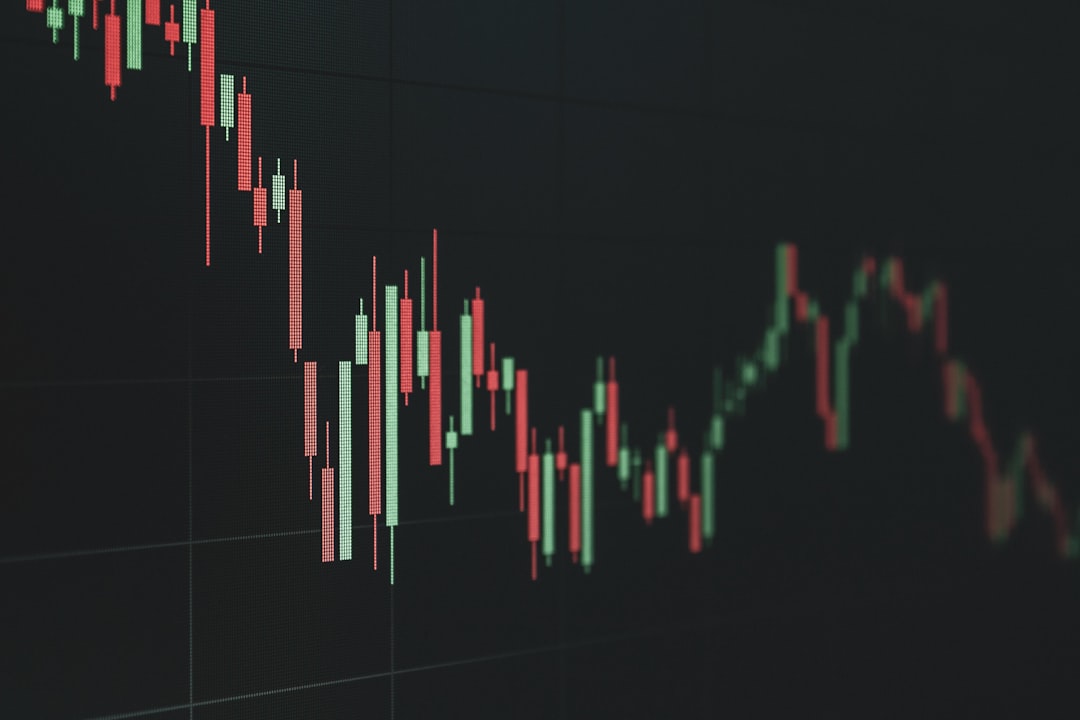
The 'TwB Weekly Markets in Review' show explores market cycles, trading discipline, and global economic pressures heading into a critical period.
In the latest episode of the 'TwB Weekly Markets in Review,' the host reflected on the current state of financial markets, trading discipline, and the broader economic challenges shaping 2026. For regular viewers, the show continues to blend a mix of market-specific insights with reflections on trading psychology, making it a resource for both new and experienced traders as they navigate uncertain times.
Trading in Tough Markets
This week’s episode underscored the difficulty and importance of honing trading skills during challenging market conditions. The host emphasized that a bearish market environment, while less thrilling, presents a critical opportunity to sharpen day-trading strategies and focus on disciplined approaches. Among the practices highlighted was dollar-cost averaging, a method characterized as "boring, not very sexy, but effective." It remains a prudent strategy for investors to incrementally accumulate assets in a down market, particularly when valuations reach identifiable discount zones.
The broader message was clear: mastering patience and avoiding the temptation to chase market pumps are essential keys to surviving turbulent financial periods. The host further advised finding stocks or assets with fundamental value or referencing technical analysis tools, such as Fibonacci retracement levels, to identify opportune buying zones.
The Psychology of Trading
Central to the episode were remarks on the importance of managing human emotional responses while participating in the financial markets. Trading was likened to running a small business, where profitability depends not just on technical acumen but also on a trader’s ability to maintain discipline. The show’s host drove this point home by saying, "The odds are that you are going to be wrong, and they’re going to take your money." The takeaway: success in trading hinges on identifying and refining one's edge—a specific methodology or pattern that gives one a statistical advantage in the marketplace.
The host recommended an incremental approach for newcomers. Paper trading—mock trading without real financial stakes—was encouraged as a critical first step. Only after executing 20 perfect trades without errors, the host argued, should novices begin trades using scaled, smaller account sizes. Such an approach helps reinforce discipline and validates a strategy’s reliability before scaling up to larger stakes.
Cycles and the Bigger Picture
The episode also ventured into the cyclical nature of markets and human history. According to the host, celestial cycles or "stopwatches in the sky" reflect broader patterns that frequently accompany societal and economic transformation. Citing past historical resets, the discussion suggested that periods of upheaval, like the one unfolding from 2026 to 2028, often lead to significant changes—"lines on the map," as the host metaphorically noted, may be redrawn as the global order evolves.
This broader lens placed current market developments into a context of larger disruptions. For instance, rising energy prices were cited as a tax on society, making it increasingly difficult for global economies to thrive. From the standpoint of traders, the volatility in commodities like oil presents both opportunity and risk. Strategically, traders were encouraged to monitor price movements for potential reversals while remaining cautious about the increasing geopolitical tensions.
Geopolitical Developments and Market Dynamics
The show touched upon the intersection of geopolitical conflict and market trends. For example, recent events involving the downing of an American fighter jet in Iran highlighted the amplified risk environment. Speculations about arms trafficking in the region, alongside reports of on-ground responses from the local population, created a haze of uncertainty about the region’s stability. Such developments, combined with a backdrop of rising energy prices, are critical for global market participants to consider.
Notably, the host linked geopolitical unpredictability to energy markets. In recent weeks, the volatility in oil prices has disrupted predictable trading patterns, with energy commodities aggressively rebounding after initial corrections. This shift in sentiment underscores the importance of recognizing "energy prices as a tax on society," a key theme in the discussion, as they directly affect economic performance.
Practical Lessons for Traders
The episode closed on a pragmatic note, highlighting sound advice for both short- and long-term traders. Key principles included identifying a specific trading edge, applying rigorous self-management, and staying prepared for the cyclical disruptions expected to dominate the coming years. The host encouraged traders to avoid "balls deep" commitments and instead approach the market cautiously, especially in light of the inherent risks.
To new traders, a structured learning path was recommended:
- Start with 100 paper trades to develop confidence and competence.
- Identify three unrelated reasons to justify each trade, creating a repeatable and validated strategy.
- Work towards executing 20 consecutive trades without errors to confirm readiness for live trading.
- Begin with micro or fractional trades before committing significant capital.
These steps, rooted in discipline and patience, underline the meticulous effort needed to succeed in what the host described as a profession where 90–95% of participants fail.
Looking Ahead
With geopolitical pressures mounting and market volatility showing no signs of abating, the message was clear: the road through 2026 and beyond will not be easy, but it could also be defining for a generation of traders and investors. Energy markets, political surprises, and economic cycles will continue to present challenges, but they also offer distinct opportunities for those equipped with discipline, strategy, and resilience.
As the host succinctly put it: "Figure out your bread and butter and stick to it." Traders who can endure this season of upheaval may find themselves well-positioned on the other side—so long as they survive the ride.
Staff Writer
Priya writes about blockchain technology, DeFi, and digital currency regulation.
Comments
Loading comments…


