Why Americans Overlook Valuable Tax-Advantaged Accounts
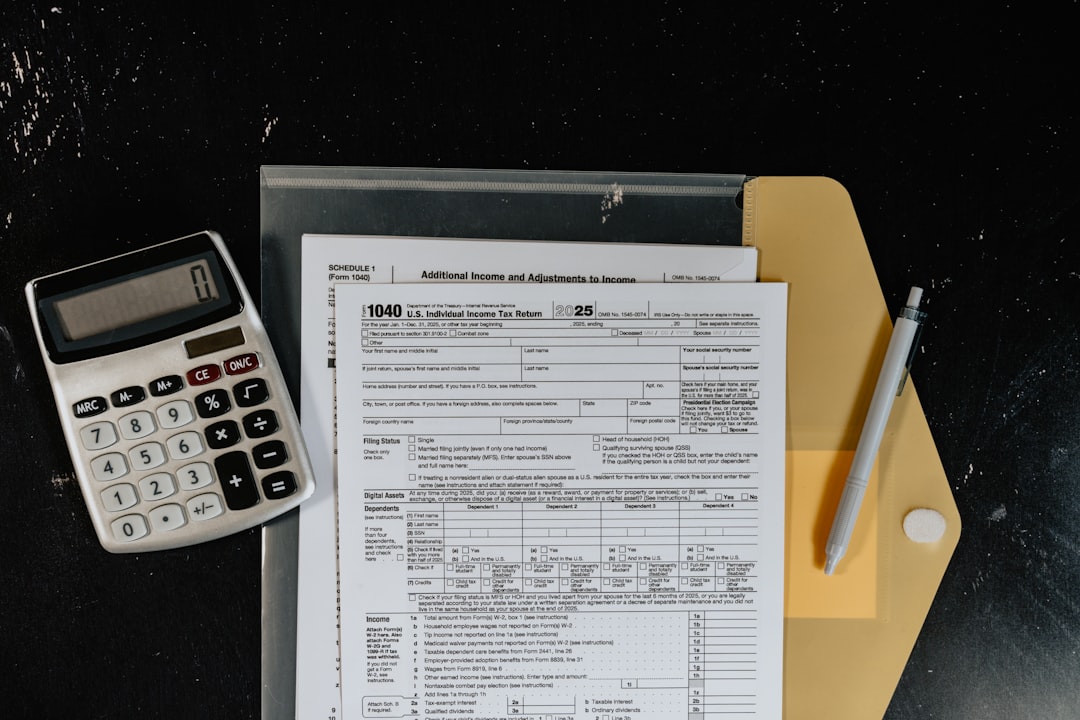
Tax-advantaged accounts like HSAs, FSAs, and 529s help save money, yet many Americans miss out due to confusion or financial constraints.
Tax-advantaged accounts like FSAs (flexible spending accounts), HSAs (health savings accounts), and 529 college savings plans offer substantial financial benefits. Yet, many people fail to take advantage of these tools, often leaving money on the table due to confusion, lack of awareness, or perceived barriers.
The Basics: What Are These Accounts?
For those unfamiliar with these three-letter acronyms, here’s a quick breakdown:
-
FSA (Flexible Spending Account): This is a pre-tax account tied to medical or dependent care expenses. Employees can set aside a portion of their paycheck tax-free to pay for eligible expenses like co-pays, prescription medicines, or daycare costs. However, most FSAs operate under a “use it or lose it” rule, meaning you must spend the money within the year (though some plans offer limited rollovers or grace periods).
-
HSA (Health Savings Account): Exclusively available to those with high-deductible health insurance plans, HSAs allow you to save pre-tax dollars for medical expenses. Unlike FSAs, the unused money rolls over indefinitely, and funds can be invested to grow over time. Withdrawals for qualified medical expenses remain tax-free even years down the line.
-
529 Plan: Named after Section 529 of the tax code, these savings plans help families pay for education. While contributions are made post-tax, the account grows tax-free, and withdrawals for qualified education expenses are also tax-free. These accounts are often used for a child's college tuition but can also cover trade school costs or certifications.
Why Do People Ignore These Opportunities?
Despite their financial advantages, these accounts are often underutilized. A key reason is lack of awareness and understanding. People feel overwhelmed by the paperwork and jargon, as illustrated by the widespread unfamiliarity among interviewees asked about these options.
Confusion isn’t the only barrier. For some, financial constraints make it hard to prioritize long-term savings. Many workers with tight budgets focus on day-to-day or month-to-month expenses, which makes the idea of diverting income into a savings account seem impractical. There’s also the perception that these accounts are only beneficial for the wealthy, as better-off households are more likely to take full advantage of tax breaks.
FSAs: A Missed Opportunity?
While FSAs can be highly effective for predictable, recurring costs like daycare or diabetic testing supplies, their "use it or lose it" rule deters many. Overestimating your expenses may lead to last-minute, unnecessary purchases like stockpiling band-aids to avoid losing the balance. This limitation means FSAs work best for predictable budgets, which excludes those with inconsistent or lower incomes.
For dependent care FSAs, however, the benefits can be immense. For someone with $6,000 in childcare costs annually, parking that amount pre-tax in a dependent care FSA can result in hundreds of dollars in tax savings.
HSAs: The Hidden Retirement Tool
HSAs offer more long-term flexibility than FSAs. Money in an HSA rolls over each year and can be invested in mutual funds or other options, making it a de facto retirement account for healthcare. As interviewees noted, these accounts combine short-term flexibility with long-term growth and, unlike employer-sponsored retirement accounts, HSAs don’t impose penalties for early withdrawals if funds are used for medical expenses.
A significant perk is that employers often contribute matching funds to HSAs, effectively providing free money. Still, not everyone with access makes use of the benefit. For instance, freelancers or gig workers may hesitate to open private HSAs despite qualifying under a high-deductible insurance plan.
529 Plans and the Power of Compound Interest
College costs remain a daunting financial hurdle, with public in-state tuition surpassing $50,000 for four years by 2025. While saving for education may seem insurmountable, the tax-free growth of a 529 plan can ease the burden over time. For example, saving just $143 monthly from a child's birth to age 18 could cover a child’s university tuition, thanks to compound interest.
Yet, for parents already struggling with immediate needs, planning for education 18 years down the line may feel like an unattainable luxury. This disconnect underscores why 529 plans, despite their clear financial benefits, are not utilized consistently.
Why It’s Worth a Second Look
The primary reason for these accounts’ existence is to save you money on expenses you already have. Here’s a practical example: A household with $84,000 in annual income that spends $1,000 on healthcare expenses and $6,000 on dependent care could save $840 simply by using an FSA and HSA. If employer contributions are part of the package, the financial impact grows even more substantial.
Critically, these accounts aren’t just for those with wealth or surplus cash. For anyone with qualifying expenses—be it medical costs, daycare, or education—a tax-advantaged account shifts those payments from post-tax income to pre-tax dollars, yielding immediate savings.
Overcoming the Barriers
For many, the error stems from initial hesitation or failure to fully understand how to optimize benefits upon starting a new job. Benefits paperwork often feels overwhelming, with acronyms and unfamiliar terms piling up on top of the new-job stress. This can lead to opting out entirely.
Experts advise asking questions and consulting your HR department or a financial advisor before dismissing these accounts. Even small contributions can make a significant impact over time, whether it’s preparing for future education or funding retirement healthcare.
The Bottom Line
Tax-advantaged accounts like FSAs, HSAs, and 529 plans are powerful tools to offset major life expenses. However, their complexity and perceived limitations often scare people off. By taking the time to understand your options and treating the initial hassle as an investment in financial planning, you stand to gain both short- and long-term benefits. With proper planning—and perhaps a quick conversation with your HR representative—these accounts could make financial goals more achievable than they seem at first glance.
Staff Writer
Priya writes about blockchain technology, DeFi, and digital currency regulation.
Comments
Loading comments…


