Why new cars have engine recalls straight from the factory
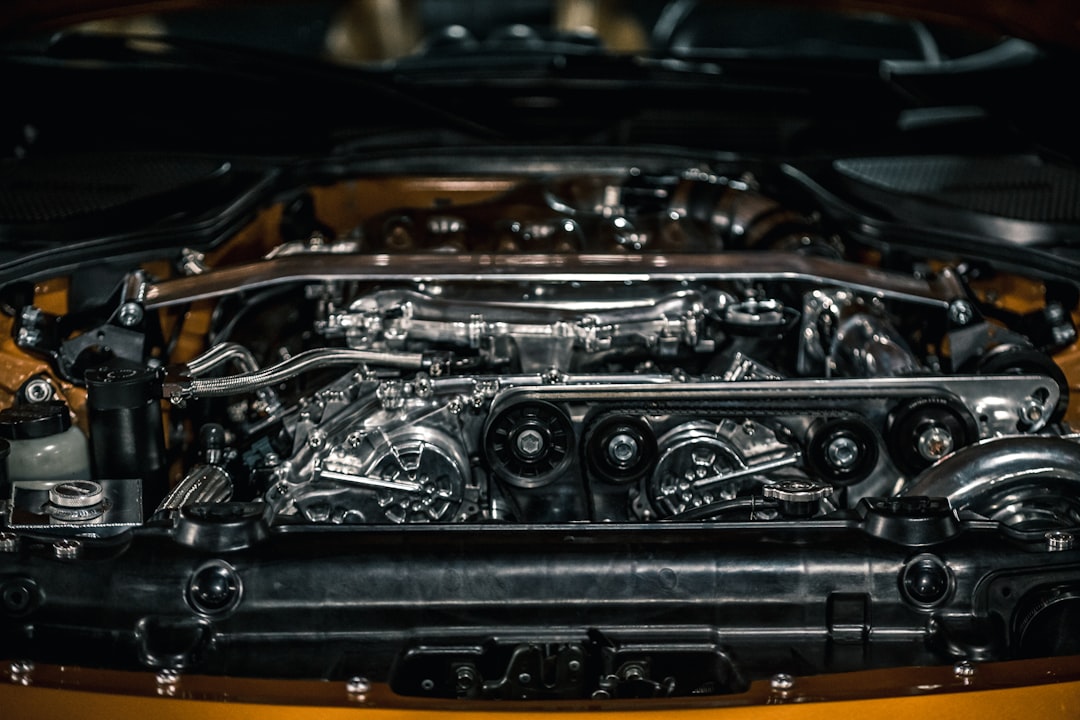
Engine recalls on brand-new cars are becoming routine. A mechanic explains how EPA fuel economy regulations force automakers to sacrifice reliability for mileage.
You buy a car fresh off the dealer lot. Within a few thousand miles, the check engine light comes on. Then the recall letter arrives. Engine problem. This is happening more and more often, and it is not a coincidence.
According to a mechanic who works on these vehicles daily, the root cause traces back to one thing: EPA fuel economy regulations. The Environmental Protection Agency sets increasingly strict miles-per-gallon targets that automakers must meet across their fleets. To comply, manufacturers take engines that were already reliable and tinker with them until they crack.
"They're taking these engines and trying to tone them down a little bit to get better gas mileage, but in doing so, they make them a lot less reliable," the mechanic said. "And that's why you're seeing like these huge recalls going on all the time. It's because they tinker with the engine. It wasn't broken to begin with."
That quote captures a trade-off that has reshaped the auto industry over the past two decades. Older engines, the kind that got 10 miles per gallon and ran on carburetors, were simple. Fewer parts meant fewer things to break. A properly maintained V8 from the 1970s could easily run 200,000 miles with nothing but oil changes and the occasional tune-up. But 10 mpg is no longer acceptable. The current Corporate Average Fuel Economy (CAFE) standard requires passenger cars to average about 49 mpg by 2026, with light trucks at roughly 36 mpg. To hit those numbers, automakers must squeeze every drop of efficiency out of every combustion event.
The methods they use are well known but come with serious drawbacks. Direct fuel injection sprays gasoline directly into the combustion chamber instead of into the intake port. That improves fuel atomization and allows higher compression ratios, which boost efficiency. But it also causes carbon buildup on intake valves because there is no fuel washing over them. That leads to misfires, rough idling, and eventually a visit to the dealer. Turbocharging lets a smaller engine produce the power of a larger one while getting better fuel economy under light load. But turbos run hotter, put more stress on pistons and rings, and require more complex oil and cooling systems. Cylinder deactivation shuts down half the cylinders during cruising. That saves gas but introduces asymmetrical wear and lubrication problems that have caused countless warranty claims.
Variable valve timing and variable compression ratios add even more moving parts and software maps. Each one is a potential failure point. And when an engine is pushed closer to its physical limits to meet a regulatory target, there is less margin for error in manufacturing tolerances, oil quality, or driving habits.
The result is what we see now: massive recalls for engines that are barely out of the break-in period. In recent years, major automakers have recalled hundreds of thousands of vehicles for issues like oil pump failures, connecting rod bearing wear, fuel pump seizures, and premature timing chain stretch. These are not cosmetic defects. They can leave you stranded or, in worst cases, cause a fire.
Some industry observers argue that the blame does not rest solely on EPA regulations. Cost cutting, rushed development cycles, and the pressure to launch new models quickly also contribute. Parts are sourced from the lowest bidder. Engines are designed on computers and tested virtually, then thrown into production before real-world durability data is fully collected. But those pressures exist precisely because the regulatory hammer forces automakers to constantly change their powertrains. A stable engine design that ran for a decade without major changes is no longer an option when fuel economy targets shift every few years.
There is a counterargument worth considering: modern engines, even with their recalls, are still more reliable on average than the engines of the past when measured by mean time between failures. The difference is that a failure in a 1970s car often meant adjusting the carburetor or replacing a distributor cap. A failure in a modern car often means a new engine. The complexity has raised the cost of repairs and the likelihood of a catastrophic failure that triggers a recall.
The mechanic's point about the engine not being broken to begin with is key. Engineers had decades to perfect the naturally aspirated, port-injected, pushrod V8. It was a known quantity. It got terrible gas mileage, but it ran forever. The modern engine is a compromise machine. It must meet emissions standards at idle, deliver high power at wide-open throttle, and achieve peak efficiency at cruising speed. All while surviving 150,000 miles of stop-and-go traffic, short trips that never warm the oil, and drivers who ignore maintenance schedules. That is a tall order, and the recalls show that the industry has not fully solved it.
What does this mean for you as a car buyer? First, do your research. Some engines have much better reliability records than others. Look at consumer complaint databases and recall histories before you sign. Second, understand that the days of driving a car for 200,000 miles without major engine work are mostly over, at least for gasoline-powered vehicles. You will likely need to replace parts like high-pressure fuel pumps, turbochargers, and timing chains long before the chassis wears out. Third, consider that the push toward electrification may actually improve this situation. Electric motors have far fewer moving parts and no complex fuel delivery or exhaust systems. The trade-off for efficiency was already made when the industry decided to electrify. But for now, if you buy a new gasoline car, expect a recall notice in the mail. The engine was designed to meet a number on a government spreadsheet, not necessarily to keep you on the road.
Staff Writer
James covers financial markets, cryptocurrency, and economic policy.
Comments
Loading comments…


