A Harvard neuroscientist explains why we dream and what happens during sleep
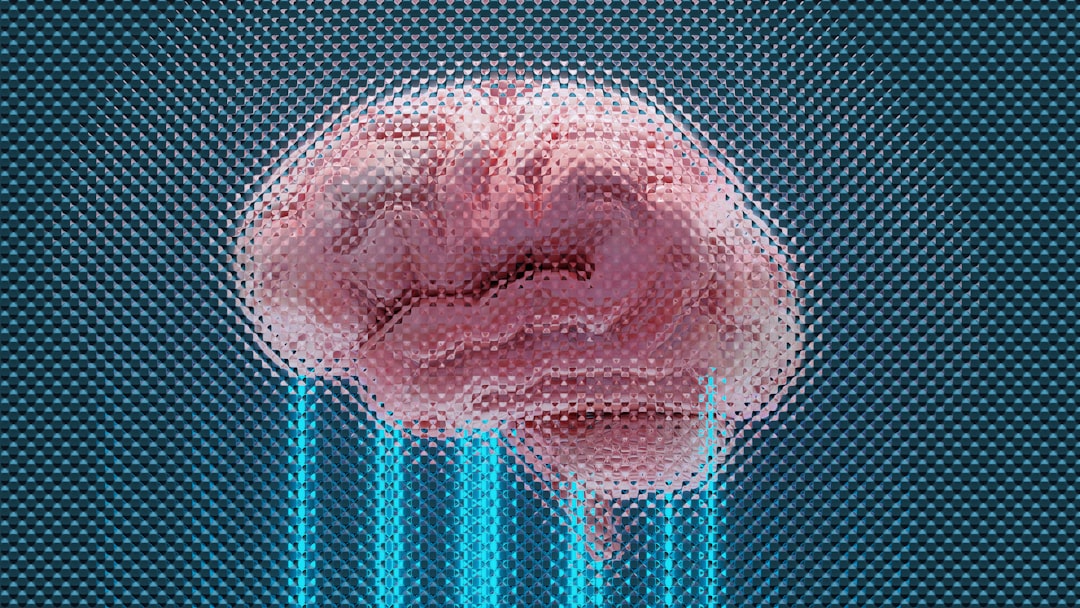
Harvard neuroscientist Dr. Balan Halal explains how different stages of sleep shape our brain, body, and dreams in fascinating ways.
Dreaming remains one of the most mysterious aspects of being human. Despite daily experience with sleep, few understand the biological, neurological, and psychological processes that define it. Dr. Balan Halal, a Harvard neuroscientist specializing in sleep and dreams, recently discussed the intricate changes the brain undergoes during sleep and why dreaming might matter more than you think.
The architecture of sleep
Sleep isn’t a single, uniform state. According to Dr. Halal, it unfolds in cycles, with each lasting approximately 90 minutes, comprised of distinct stages: non-REM (NREM) sleep and REM (rapid eye movement) sleep. Throughout the night, we typically cycle through these stages 4-5 times. Each stage serves specific biological and neurological functions.
In the initial stage of sleep (N1), the brain begins to "power down." Key sensory processors like the thalamus, which act as a relay station for sensory inputs (like touch, sight, and sound), shut down. Concomitantly, levels of norepinephrine—a brain chemical responsible for alertness—drop significantly. Dr. Halal describes it as transitioning from a heightened alert state (e.g., sensing danger) to a state of relaxation. This decrease in norepinephrine is one of the reasons it becomes challenging to return to sleep after being jarred awake early in the sleep process.
Brain waves also undergo dramatic changes. Beta waves, which dominate wakefulness, fade. These are replaced by slower brainwave patterns indicative of different sleep levels. This slowing down is paired with physical changes: body temperature decreases, heart rate slows, and blood pressure drops, signaling the body’s entry into deeper relaxation.
How deep sleep repairs and restores
Deep sleep, also known as slow-wave sleep or Stage 4 sleep, is a critical period for many bodily processes. Dr. Halal calls it "fascinating," emphasizing its role in short- and long-term health. During this time, the brain undergoes large, synchronized delta wave activity. These waves are slower but much more powerful, implying coordinated activity across far-reaching areas of the brain. Such coordination reflects deep processes essential for memory, physical restoration, and immune function.
According to Dr. Halal, deep sleep acts as the brain’s cleaning service. Supporting glial cells shrink by 20%, allowing cerebrospinal fluid to flush out waste products such as beta-amyloid and tau proteins. Accumulation of these toxins has been linked to neurodegenerative diseases like Alzheimer’s. "Deep sleep is literally brainwashing," said Halal, highlighting its significance.
Furthermore, deep sleep plays a role in cardiovascular health, hormonal balance, and metabolism. Essential hormones like growth hormone and testosterone peak during this stage. Regulators of hunger and satiety, such as leptin and ghrelin, are balanced during this period, explaining why poor sleep is linked to metabolic issues like obesity.
Memory consolidation is another key function. Deep sleep acts as a librarian for the brain. The hippocampus, a seahorse-shaped neural structure involved in memory storage, transfers short-term memories to the cortex, the outer layer of the brain. Dr. Halal likens the hippocampus to a USB drive and the cortex to a hard drive. This transfer solidifies experiences and skills acquired throughout the day, allowing the brain to optimize learning and problem-solving abilities overnight.
Interestingly, studies show that sleep enhances performance on learned tasks. Dr. Halal mentioned that someone practicing an instrument or a skill before sleeping could be 20% better the next day, thanks to this process.
REM sleep and the science of dreams
While deep sleep is rooted in physiological recovery, REM sleep delves into the brain’s cognitive and emotional dimensions. REM, the stage most associated with vivid dreaming, occurs later in the sleep cycle and becomes more prolonged as morning approaches.
During REM sleep, the brain becomes highly active, akin to wakefulness, but the body is effectively paralyzed—a mechanism that prevents individuals from physically acting out their dreams. This stage enables an astonishing array of functions, ranging from memory processing to emotional regulation. Dreams often emerge from the amalgamation of these processes, incorporating fragments of daily experiences, random thoughts, and deeper subconscious material.
Dr. Halal also pointed out that REM sleep is vital for creativity and problem-solving. By blending memories and ideas in unique ways, the brain might produce the "eureka" moments that don’t occur during wakefulness. Emotional regulation during REM can also help individuals process trauma or stressful experiences.
Why it’s hard to resume sleep after disturbances
Dr. Halal addressed the common frustration of being jolted awake shortly after falling asleep. He explained that norepinephrine levels, which must remain low for sleep to persist, are often elevated when someone is disturbed early in the sleep cycle. Combined with reduced "sleep pressure"—a term describing the brain’s natural urge to sleep that builds up due to the chemical adenosine—the individual struggles to achieve the necessary conditions to re-enter sleep seamlessly.
Interestingly, caffeine interferes with sleep pressure by blocking adenosine receptors, temporarily disguising sleepiness. However, when the caffeine effect wears off, sleep pressure returns stronger, contributing to the well-known "caffeine crash."
Dreams in transitional states
One peculiar aspect of early-stage sleep involves "hypnagogic dreams"—the fleeting, often bizarre imagery experienced as one begins to fall asleep. Dr. Halal remarked that, although these visions are not full dreams in the traditional sense, 20% of people report experiencing brief "mental snapshots" during light sleep stages.
The brain’s nightly maintenance plan
All these processes highlight the precision of the body’s nightly "maintenance schedule." Sleep spindles (bursts of brainwave activity in earlier sleep stages) serve dual purposes. They shield the sleeping brain from external disturbances, such as noise, and aid in the transfer of memories from the hippocampus to the cortex. As sleep progresses, the body shifts from one essential function to another, culminating in REM sleep where emotional cognition and dreams take center stage.
Why sleep matters
Dr. Halal’s explanation underscores the multifaceted importance of sleep. Each stage contributes uniquely to health, cognitive function, and emotional well-being. Deep sleep repairs the brain, consolidates memories, and cleans out toxins, while REM sleep sharpens the mind’s creative and emotional intelligence. The entire cycle is as vital as good nutrition or exercise.
So, the next time you’re tempted to pull an all-nighter or skimp on sleep, consider giving your brain the time it needs to file away memories, clean house, and recharge. After all, profound things are happening while you dream—even if you don’t remember them.
Staff Writer
Ryan reports on fitness technology, nutrition science, and mental health.
Comments
Loading comments…


