Carney secures majority government with by-election victories
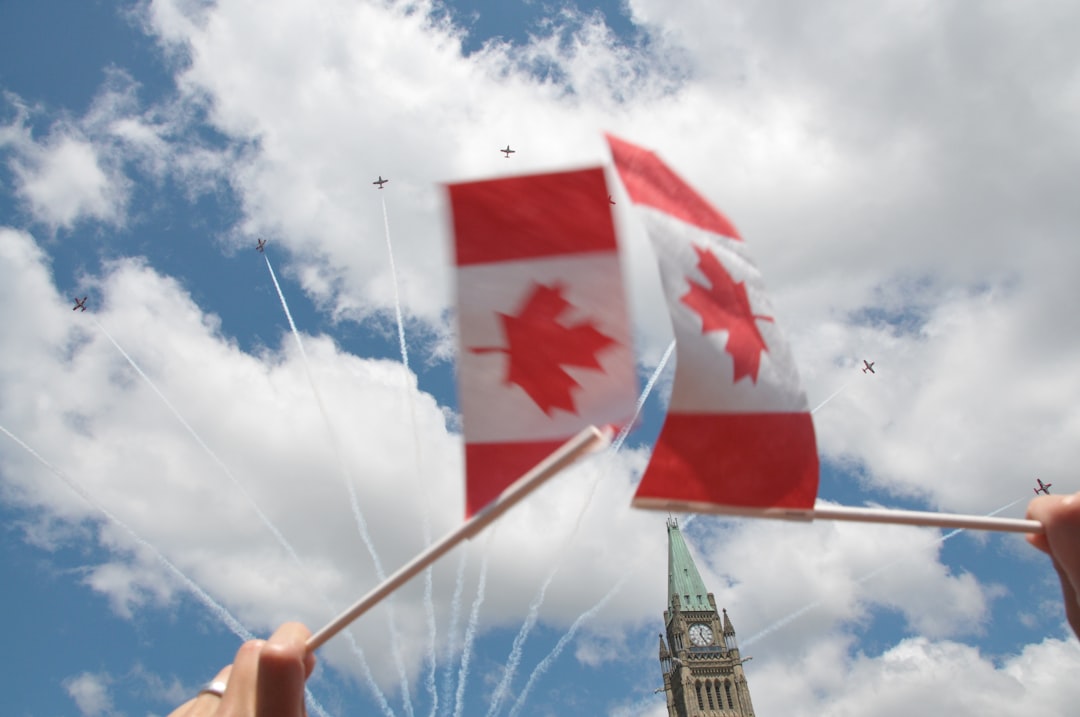
Mark Carney’s Liberal Party wins a majority after sweeping three by-elections. The move tightens the party’s grip on power in the Canadian House of Commons.
Mark Carney’s Liberal government has transitioned from a minority to a majority following successful campaigns in all three federal by-elections held on Monday. The results bolster the ruling party’s position and set a stage for it to deliver on its legislative and programmatic promises. With the latest wins, the Liberals now command an improved count of 174 seats in Canada’s House of Commons.
By-election victories consolidate Liberal power
The three by-elections were closely watched political events, given their potential to alter the balance of power in Parliament. Each contested riding presented unique challenges and opportunities for the Liberals, yet all ultimately fell into their column:
- University–Rosedale, Ontario: Danielle Martin, the Liberal candidate, successfully held this seat despite strong opposition.
- Scarborough Southwest, Ontario: Dolly Begum, who recently stepped down as the Deputy Leader of the Ontario NDP, emerged victorious under the Liberal banner.
- Terrebonne, Quebec: Tatiana August faced a nail-biting race but eventually clinched her win over a Bloc Québécois rival. This election notably involved special ballots due to the high number of contenders.
These wins constitute a significant achievement for Mark Carney's leadership, cementing the Liberals' position as a majority government without requiring another federal general election. The unusual journey to this majority came not only via the by-elections but also through strategic floor crossings. Over the past year, five opposition MPs, disillusioned with their parties, crossed over to join the Liberals. The latest such defection came from Marilyn Gladu, adding a socially conservative voice to the party's otherwise progressive platform.
Opposition reactions
While the Liberals celebrate their by-election sweep, opposition voices have sharply criticized the process that led to the majority. Conservative Party leader Pierre Poilievre accused the Liberals of achieving their current majority status not through public mandate, but through "backroom deals with politicians who betrayed their voters." The sentiment underscores ongoing divisions in the House of Commons and signals that the coming Parliamentary sessions may be contentious.
What’s next for Carney and the Liberals?
Fresh off these electoral gains, Prime Minister Mark Carney is under increasing pressure to demonstrate governance that reflects the broader mandate of a majority government. Promised affordability measures are expected to be the government’s immediate priority. Carney is scheduled to announce policies aimed at reducing the cost of living for Canadians during a statement later today. Specific details about the measures remain under wraps, but addressing housing affordability, inflation, and the cost of energy are anticipated to be central themes.
Analysts suggest that with a stronger position in Parliament, the Liberals now have the opportunity to push through more ambitious reforms. However, with this stronger grip on power comes heightened accountability and scrutiny—particularly from the electorate and opposition parties.
Broader implications for Canadian politics
The Carney government’s ability to secure a majority without a general election throws a spotlight on political dynamics in Canada. Historically, transitions from minority to majority governments between elections are rare, and this achievement was possible due to factors beyond just the by-elections. The recruitment of opposition MPs has been both a strategic win and a controversial topic that is likely to spark debate about ethics in parliamentary politics.
For Canadians, the Liberal victory represents potential stability in governance, a crucial factor during economically uncertain and geopolitically tense times. However, critics argue that the government must prove that it is delivering results rather than merely consolidating power.
Challenges ahead
While a majority status simplifies the process of passing legislation, it also amplifies expectations. Carney will be judged not only on his government’s performance in areas like affordability, climate action, and healthcare but also on his ability to manage ideologically diverse voices within his own party—especially after the inclusion of MPs with contrasting political beliefs, such as Marilyn Gladu’s socially conservative stance.
The Carney administration’s ability to unify its caucus and deliver consistent policies will be central in determining whether this majority government can use its enhanced mandate effectively or face voter dissatisfaction in the next federal election.
Final thoughts
Prime Minister Carney’s majority government now faces both opportunity and obligation. The confluence of by-election victories, floor crossings, and a perceived ability to appeal to varied voter bases has given the Liberal Party a moment of triumph. Yet political capital can be fleeting, and the pressure is already mounting for this government to translate today’s parliamentary advantage into sustained improvements in the lives of Canadians.
The by-election results also hint at the evolving political landscape in Canada, where voter loyalty to parties is increasingly fluid. If the months ahead are marked by tangible success in governance, the Liberals may not only justify their currently expanded power base but also set the tone for elections to come.
Staff Writer
Ryan reports on fitness technology, nutrition science, and mental health.
Comments
Loading comments…


