Newfoundland and Labrador's Budget 2026: Key Announcements and Challenges Ahead
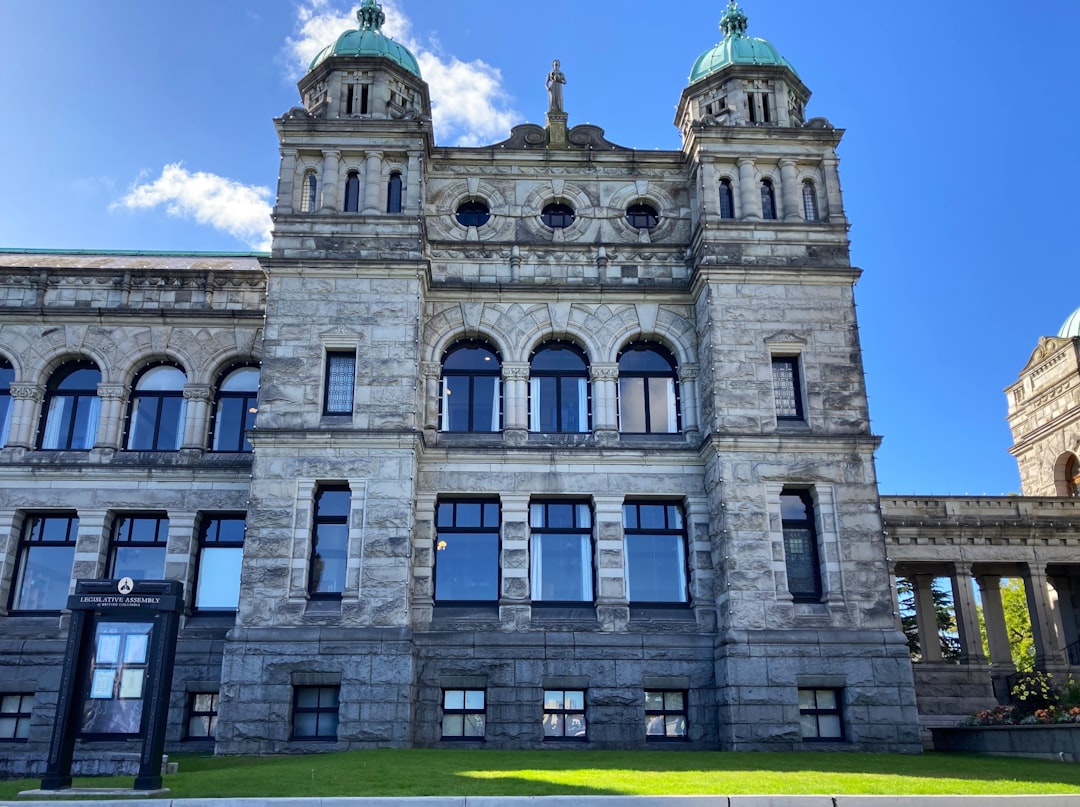
Newfoundland and Labrador unveils Budget 2026 with tax cuts, increased spending on health care, and challenges to balance deficits amidst a strong resource-driven economy.
Budget 2026 marks a defining moment for Newfoundland and Labrador’s Progressive Conservative (PC) government under Premier Tony Wakeham. Delivered during challenging global economic conditions, rising costs of living, and a deeply entrenched fiscal deficit, the province's first PC financial plan in over a decade reflects a mix of ambitious promises and difficult realities. Here’s what it entails and what it means for the province's residents.
Tax Cuts and Direct Benefits
Among the headline measures, the budget introduces significant tax reliefs long-promised during the Progressive Conservative election campaign. Personal income tax exemptions will rise from $11,500 to $15,000, providing savings of approximately $340 annually for most individuals. Seniors will see a 20% increase in their benefits, and small businesses will benefit from a gradual reduction in their tax rate, which is set to drop to just 1% in the coming years.
These measures aim to ease financial pressures on individuals and small businesses—groups that have borne the brunt of escalating living costs. For small business owners, the lower tax rates promise greater reinvestment opportunities. However, the benefits come with a price: the province projects a deficit of nearly $700 million this fiscal year.
Finance Minister highlights that the government prioritizes "helping Newfoundland and Labradorians balance their personal budgets first," but this comes at the cost of continued borrowing and delayed fiscal recovery.
Economic Growth Amid Fiscal Challenges
One bright spot in the budget is Newfoundland and Labrador's robust economic performance. The province’s GDP is projected to grow by 5.5% this year—double that of the next closest province, Prince Edward Island.
Natural resources continue to drive this growth. The oil and gas sector alone contributes an estimated $2 billion in royalties—comprising 19% of government revenue for this fiscal year. High oil prices, boosted by geopolitical events in the Middle East, and a 14% increase in oil production have fueled economic gains. Meanwhile, fishing and mining industries are also performing at or near record levels. For instance, the landed value of seafood hit $1.3 billion last year, underlining the province’s position as a global player in high-value seafood products.
Despite this prosperity, cracks remain. Capital investments in major projects are declining, employment levels have stagnated, and population growth has stalled. Heavy reliance on volatile resource revenues further exposes the province to market risks.
Infrastructure Spending and Borrowing
Budget spending is extending beyond tax cuts and into infrastructure. However, the province plans to borrow an additional $3 billion to finance these projects and ongoing services. Debt servicing now costs over $1.1 billion annually, reflecting the weight of Newfoundland and Labrador's overall fiscal burden.
In the absence of significant new revenue sources—such as untapped hydro power deals with Quebec—the government remains stuck in a cycle of deficit spending. No roadmap has been outlined to return to balanced budgets within the decade, leaving future generations to bear this fiscal uncertainty.
Healthcare: Pressures and Investments
Healthcare, which accounts for 42% of the provincial budget, remains a focal challenge for the government. Health Minister Leila Evans candidly acknowledged deficiencies in medical services, particularly for Northern Labrador residents suffering from unreliable medical transportation. In an extraordinary gesture, she even suggested residents consider suing the government for better services.
While critical of past Liberal underfunding of health initiatives, Evans rolled out several targeted investments. These include full subsidies for eligible medical travel costs, introducing a provincial nursing travel team to reduce reliance on private agency nurses, and paid placements for healthcare students in under-served areas. The province will also invest $38 million this year in potential agency nurses, continuing its reliance on temporary solutions while building capacity within the system.
For the healthcare sector, unions such as the Newfoundland and Labrador Nurses' Union (NLNU) lauded the investments, particularly funds targeting the reduction of agency staff, although they acknowledged limitations. "It’s a start," the union chief noted about the measures, which still fall short of completely replacing expensive agency nurses.
Support for Education and Child Welfare
Education funding has also seen enhancements. Post-secondary institutions like Memorial University and the College of the North Atlantic will benefit from tuition freezes subsidized by the government at a cost of $500 million. A new tuition refund program to incentivize graduates to stay and work within the province will roll out with an initial budget of $40 million.
In early childhood education, $33 million is committed to creating 400 additional daycare spaces. For K-12 education, the government plans to hire 94 new teachers and teaching assistants, backed by $29 million in additional funding.
Regarding child welfare, the Department of Children, Seniors, and Social Development will double annual adoptions from 45 to 90 and increase support for foster families. The province spent over $60 million on group homes and independent living arrangements last year, a model the government now seeks to shift from by providing better support for permanent care placements.
Political and Community Reactions
The response to Budget 2026 has been varied. Tax cuts and increased spending on healthcare and education have been welcomed by different sectors. However, skeptical voices question the sustainability of heavy borrowing amidst no concrete path to fiscal balance.
Premier Tony Wakeham has framed the budget as an essential compromise, balancing urgent investments against the necessity of long-term fiscal discipline. Meanwhile, critics emphasize the need for bolder measures to diversify provincial income away from its dependence on resource revenues.
With industries like oil production at their peaks, the province has an opportunity to use these revenues to establish a more robust foundation for the future. Without decisive action to address structural deficits, however, the hopes underlying this budget may remain out of reach.
Budget 2026 underscores Newfoundland and Labrador’s potential and looming challenges. As natural resource revenues stabilize the short term, building resilience for future generations will require more than just temporary fixes.
Staff Writer
Ryan reports on fitness technology, nutrition science, and mental health.
Comments
Loading comments…


